U.S. sanctuary for 200,000 Salvadorans hangs by a thread as TPS deadline arrives
About 200,000 Salvadoran immigrants are facing an anxious wait as a Trump administration deadline arrives on whether to end their temporary legal protections...
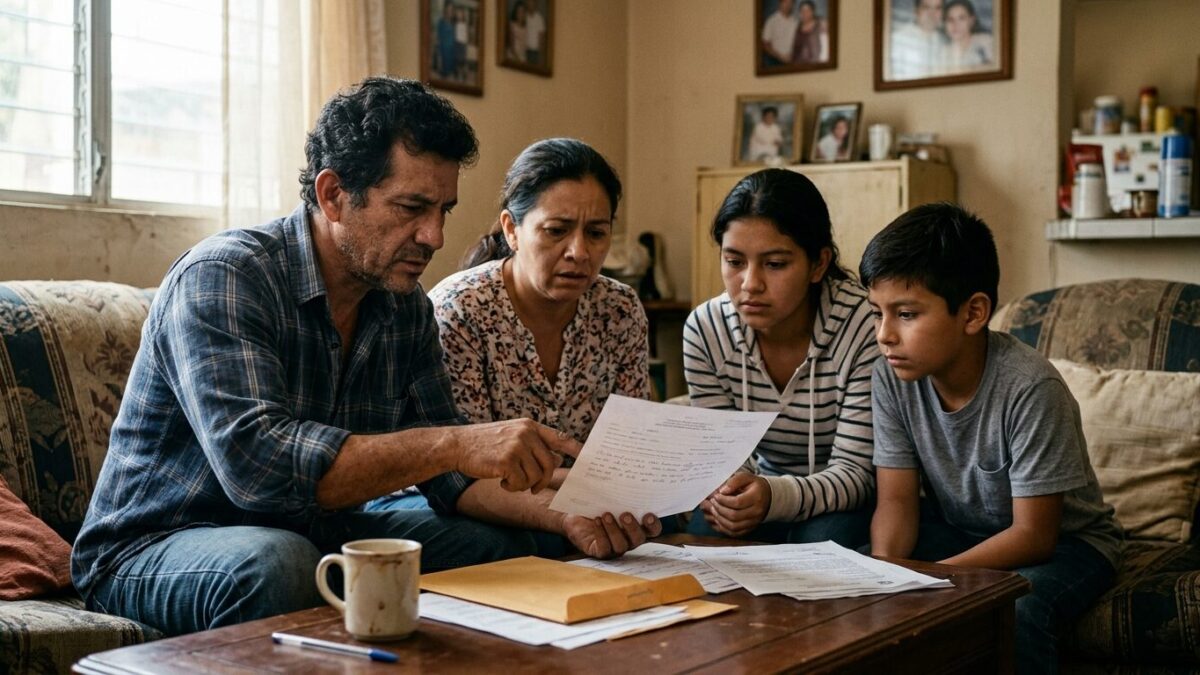
About 200,000 Salvadoran immigrants are facing an anxious wait as a Trump administration deadline arrives on whether to end their temporary legal protections. If officials do nothing, the status automatically rolls over for six months. If they act, the clock starts ticking.
The uncertainty lands hard for families who have lived in the United States since 2001 under Temporary Protected Status, or TPS, a program that lets people already in the country stay and work when their home country is deemed unsafe for return. Their permits can be renewed for periods of up to 18 months. For now, work and life go on. But only just.
Deadline with no clear hour
The TPS designation for Salvadorans expires Wednesday, though the law does not specify an exact time when protections end. That legal wrinkle matters. In May, it triggered an automatic six-month extension for about 11,000 Lebanese nationals when Homeland Security took no action.
For Salvadorans, the same mechanism could keep protections in place if the department stays silent.
But silence is not policy. And the Trump administration has already moved aggressively against TPS across its second term, ending the program for more than 1 million people from 14 countries. The list includes El Salvador, Venezuela, Haiti, Honduras, Nicaragua and Afghanistan.
Broad rollback across countries
The Salvadoran case sits inside a wider sweep that has shaken immigrant communities across the U.S. and reverberated well beyond it. TPS has long served as a stopgap in moments of conflict, disaster or instability, giving holders legal cover while conditions at home remain unsafe.
Now that shield is thinning.
Salvadorans have been among the largest and longest-running TPS populations, with protections stretching back more than two decades for many families. Any end to the designation would put their ability to remain and work in the U.S. at risk once the current extension runs out.
The Homeland Security Department has not yet said which path it will choose. Until then, about 200,000 people are left in limbo — waiting on one federal decision that could reset the terms of their lives.