Battery trains set to cut northern rail times and support thousands of UK jobs
Thirty battery-powered trains will soon be rolling out of Derby with a promise that matters to commuters: quicker, steadier journeys across northern England....
Thirty battery-powered trains will soon be rolling out of Derby with a promise that matters to commuters: quicker, steadier journeys across northern England. Downing Street says the new fleet will be built to speed up travel to the north and lift capacity on busy rail links.
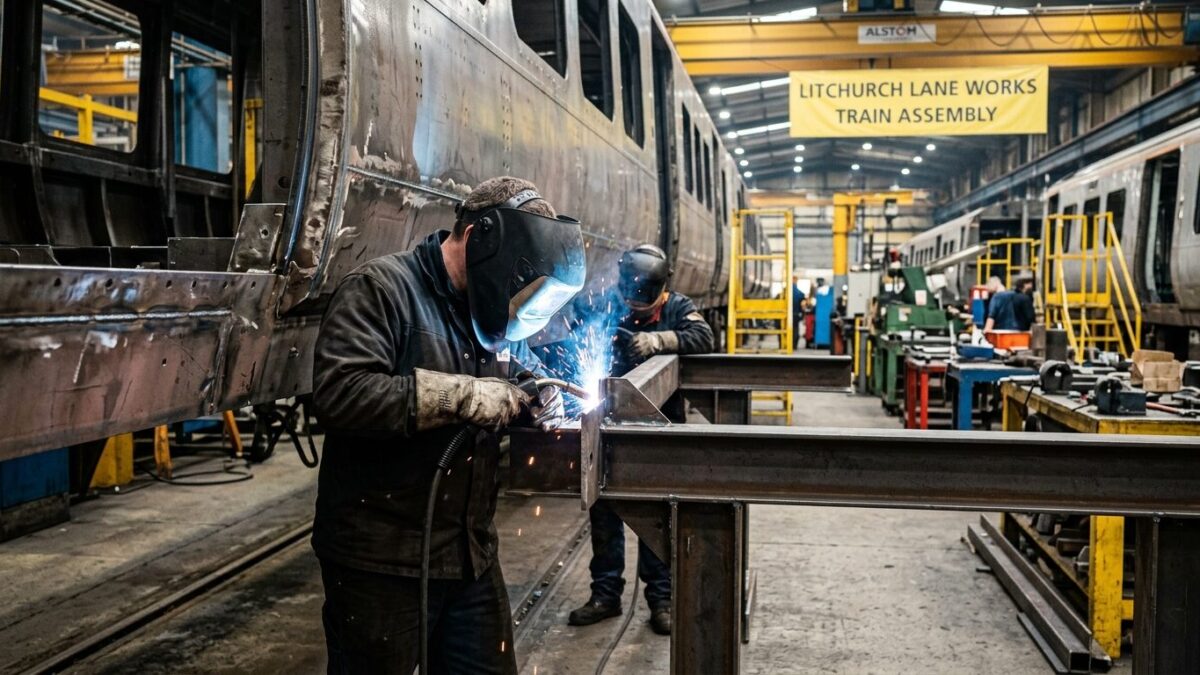
The trains, to be operated by TransPennine Express, will be assembled at Alstom’s Litchurch Lane works from 2028. The government says that work will support 350 jobs locally and almost 6,000 across the UK. For a manufacturing site with a long rail pedigree, it is a fresh order with national reach. Small detail. Big footprint.
First of their kind for long-distance mainline travel
The fleet will use Adessia Stream trains, a battery-powered model that officials say will be the first of its kind on long-distance mainline services in the UK when it enters service in 2034. That puts the technology squarely into the country’s inter-city network, not just short hops or branch lines.
For passengers, the most immediate gains are time savings. Journeys between Manchester and Leeds are expected to be up to 10 minutes faster, while trips between Manchester and York could be cut by as much as 14 minutes. The government says the wider plan is to increase rail network capacity by 30% over the next decade.
Pressure on northern links
The announcement lands in a region where rail reliability has long been a political and practical issue. Better service on routes linking Manchester, Leeds and York can affect commuting, business travel and connections to wider parts of the UK. Shorter trips matter. So does keeping trains moving on time.
Andy Burnham, who has repeatedly championed public transport and now travels between No 10 offices in London and Manchester, has stressed the need for more reliable and efficient services. That argument has helped keep transport investment high on the political agenda, especially for routes that knit together major northern cities.
Manufacturing, jobs and the next step
For Alstom’s Derby works, the order gives visibility well beyond the immediate build programme. The trains are due from 2028, but they will not enter service until 2034. That long gap leaves room for testing, integration and the slow work of preparing a new type of train for mainline use.
Downing Street has framed the deal as both an industrial and transport move: modern trains for passengers, work for factories, and a cleaner-looking future for a crowded rail corridor. The next milestone is straightforward. Get the fleet built, then get it running.