Esther Rantzen, broadcaster who turned TV fame into child protection and assisted-dying campaign, dies at 86
Dame Esther Rantzen, the sharp-voiced BBC presenter who turned a consumer affairs show into a national campaigning platform, has died at 86. For decades she
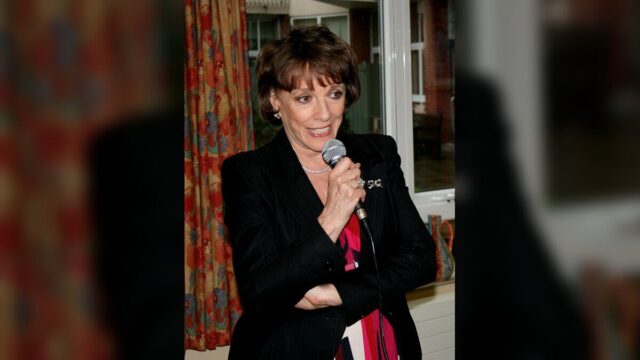
Dame Esther Rantzen, the sharp-voiced BBC presenter who turned a consumer affairs show into a national campaigning platform, has died at 86. For decades she was a familiar face on British television; for many families, her work changed what help looked like when abuse, loneliness or terminal illness closed in.
Her family confirmed her death on Sept. 30, 2026. Rantzen was best known for That’s Life!, the long-running BBC programme she hosted and produced from 1973 to 1994. It mixed consumer investigations with lighter features, and drew huge audiences — at times around 20 million viewers — before becoming known for its campaigns.
From prime-time TV to public campaigns
What began as a consumer show with a playful edge grew into something bigger. Rantzen used the programme to push hard on child abuse, and that effort helped drive one of the most lasting parts of her legacy: Childline, the national telephone helpline for children suffering abuse or neglect. She launched it in 1986.
That was the pattern of her career. A TV studio. Then a cause. Then a wider fight.
She later founded Silver Line in 2013 to support older people facing isolation and loneliness, extending her focus to another group often overlooked in public debate. In Britain, her name became tied to social campaigning as much as to broadcasting.
A final campaign, pursued to the end
In her last years, Rantzen became a prominent voice for the legalisation of medically-assisted death. She had been diagnosed with terminal lung cancer and, in December 2023, said she had joined Dignitas, the Swiss assisted-dying clinic.
By September 2026, she said she had spent the money and made the arrangements, but was too physically fragile to travel. Still, her message did not soften. She said the law had to “change and change quickly”.
Strong words. No hesitation.
In one of her final interviews this year, she said the campaign itself kept her going. Speaking by phone to the BBC in March, she said her oncologist considered her an outlier because she had lived longer than expected and that the latest scan showed improvement, even though treatment had not worked.
Her children, Miriam Wilcox, Rebecca Wilcox and Joshua Wilcox, confirmed her death. Tributes have already begun to frame her not just as a broadcaster, but as a campaigner who pushed her public profile into causes that touched children, older people and patients at the end of life.
Source: bbc.co.uk