Cat food study finds heavy metals, glyphosate in tests
A new investigation says nearly all tested cat food contained toxic plastic contaminants, glyphosate and heavy metals. The findings cut across wet, dry and…
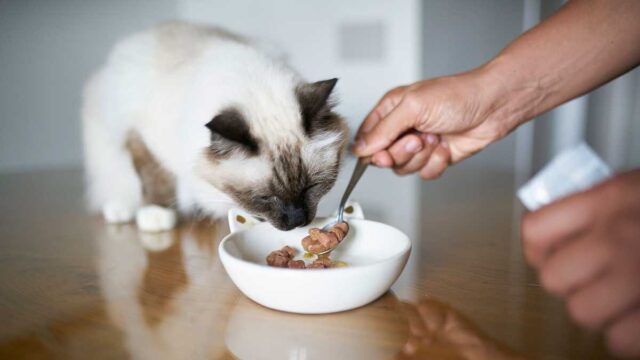
Cat food tested in a new investigation contained toxic plastic contaminants, the herbicide glyphosate and heavy metals including lead, mercury and arsenic, according to a report provided exclusively to CNN and released Friday. The findings covered wet, dry and air- or freeze-dried products.
The report said the contaminants showed up across all types of cat food, including products labeled as natural and nutritionally superior. That matters because cats tend to eat the same foods nearly every day, with little variation, according to the report author.
“Most cats eat the same foods nearly every day, with little variation,” said Molly Hamilton, executive director of the Clean Label Project, a Colorado nonprofit that tests consumer products for contaminants and certifies those meeting its standards. “The contaminants are an ongoing exposure that may accumulate in cats’ bodies over their lifetimes,” Hamilton said.
Hamilton tied the concern to feline health, saying, “For example, chronic kidney disease is among the most common causes of death in older cats — the kidneys play a major role in filtering heavy metals.”
The report also took aim at a common assumption among pet owners. “Cat owners increasingly choose premium meats, organic vegetables and cleaner labels, assuming higher prices and quality ingredients mean healthier food,” Hamilton told CNN. “That’s not necessarily the case.”
Heavy metals can occur naturally in soil, water and air, the report said, but agricultural, industrial and mining pollution can increase and spread contamination. It also said plastics and other contaminants may enter food during manufacturing.
That is the part that stings. The report’s scope suggests the issue is not limited to one product format or one marketing label. If the contamination shows up in wet, dry and air- or freeze-dried cat food alike, then shoppers looking for a safer option may have a narrower field than they expect.
Why the cat food findings matter
The report’s reach goes beyond pet shelves. It raises questions about how pet food makers source ingredients, how they monitor supply chains and what retailers demand from suppliers. Ryan Babadi, science director for Toxic Free Future, said the analysis appeared sound.
“Overall, this appears to be a reasonably conducted analysis,” Babadi said. He also argued that retailers should press suppliers to remove harmful chemicals from pet food and packaging, calling out chemicals “that are already being phased out or banned in many other products.”
The investigation comes after Clean Label published a similar assessment of dog food in February, which found three to 13 times more heavy metals than human food. That prior finding was cited in the new report as part of a broader pattern in pet food contamination.
For cat owners, the practical takeaway is immediate: the label alone may not tell the full story. The report said the contaminants were found even in premium-leaning products, and it pointed to long-term exposure rather than a one-time problem. The question now is whether manufacturers and retailers respond with tougher testing before more cats spend years eating the same contaminated formulas.
Clean Label’s latest warning centers on one blunt point: the problem was found in nearly all tested cat food, not just a few outliers.
Source: kcci.com