Singapore Haze Subsidies Begin Oct 12, Capping Fees at S$10
Singapore will activate the haze subsidy scheme at polyclinics and participating Public Health Preparedness Clinics from Oct 12 as air quality worsens. Health…
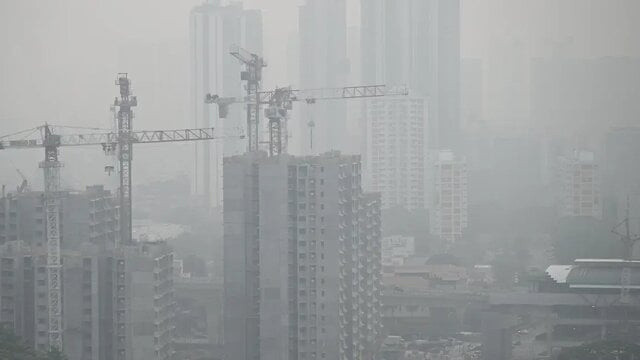
SINGAPORE — With air quality deteriorating across the country, Health Minister Ong Ye Kung said the ong ye kung haze subsidy scheme will begin at polyclinics and participating Public Health Preparedness Clinics on Oct 12. Eligible Singaporeans will pay no more than S$10 for treatment of covered haze-related conditions.
The subsidies are intended to help people seek care at primary-care clinics as respiratory cases rise. Ong said he had observed a week-on-week increase in patients with respiratory issues at emergency departments, while polyclinics were also seeing more such cases.
Use clinics for manageable symptoms.
Who can get the haze subsidy
All Singapore citizens will be eligible for subsidies at polyclinics. At participating Public Health Preparedness Clinics, eligibility is limited to specified groups, including citizens aged 18 and below or 65 and above.
The Ministry of Health said Public Assistance cardholders will receive fully subsidised care. Pioneer and Merdeka Generation seniors will pay no more than S$5 (US$3.90), while fees for other eligible Singaporeans will be capped at S$10.
Subsidies at participating clinics are also available to people covered by Public Assistance, Pioneer Generation and Merdeka Generation schemes, as well as CHAS Blue and Orange cardholders and Medical Fee Exemption Card holders. The ministry said the Public Health Preparedness Clinic scheme coordinates primary-care responses and subsidised treatment during health alerts and emergencies.
The covered conditions include allergic rhinitis, asthma, bronchitis, conjunctivitis, chronic obstructive pulmonary disease and upper respiratory tract infection, along with their complications. Doctors will assess whether a patient's condition is haze-related and eligible for a claim, according to Healthhub's website. The scheme does not cover unrelated conditions, and medication will be prescribed only in quantities needed for the episode of care.
Clinics take pressure off emergency departments
The distinction matters for patients deciding where to seek help: people with more serious conditions should continue to go to emergency departments, while respiratory problems that can be managed at primary-care level should be treated at clinics, Ong said. The subsidy offers eligible patients a lower-cost route for covered care without directing serious cases away from hospitals.
“If there are no major issues, you don’t have to visit the emergency department. Go to a PHPC clinic; they should be able to take care of you,” Ong said.
He said Singapore was careful to protect emergency department capacity for life-and-death situations. Ong also said the government wanted to reassure the public that family physicians could provide care for suitable cases.
The scheme was last activated in 2015, when smoke from forest fires in Indonesia affected the region for weeks during one of Singapore's worst haze episodes. The Ministry of Health will also activate the Public Health Preparedness Clinic scheme as part of the response to the current haze.
Ong said 1,370 clinics are under the Public Health Preparedness Clinic scheme, and close to 1,000 had already indicated that they would participate. The ministry said members of the public can check its website for participating clinics, which can also be identified by a clinic decal or haze subsidy scheme poster.
Source: channelnewsasia.com