Companies Exploiting Welfare System in UK Housing Scheme
A BBC Panorama investigation found that some private providers receive housing benefits for supported accommodation while residents say they were left without…
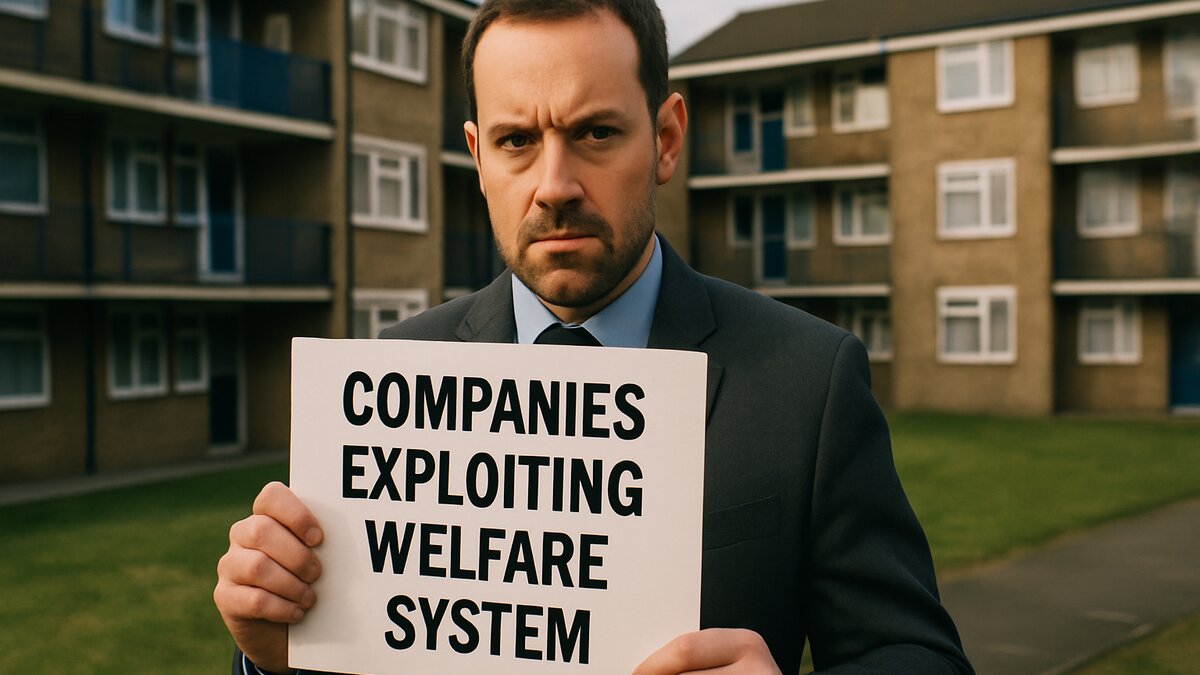
In Birmingham, supported housing is meant to pair a room with care for people facing difficult circumstances. A BBC Panorama investigation found that some private companies receive housing benefits for residents while failing to provide the required support, raising questions about how taxpayer-funded accommodation is monitored.
The system, known as supported exempt accommodation (SEA), serves people in the UK with additional needs, including former prisoners, people recovering from addiction and women fleeing domestic abuse. The BBC reported that the Department for Work and Pensions (DWP) paid £410m for SEA in Birmingham alone in the last financial year.
The consequences reach residents who depend on the accommodation not just for shelter, but for help rebuilding their lives. The investigation found people left with little or no support in unsuitable homes, alongside evidence that some providers were willing to claim benefits for people who did not live in their properties.
There are also providers delivering the intended service. Charities, politicians and residents told the BBC that parts of the sector were being exploited, while acknowledging that supported accommodation works well for many people.
Residents describe gaps in support
Alysha, who left a violent marriage and returned to Birmingham seeking shelter, lived in three SEA properties. One was a shared house managed by Second City Support Ltd.
She told the BBC that residents went eight days without heating or hot water after the boiler broke last December. “I was at my wits' end. I'd be begging [Second City] and they would just cut the call because they didn't want to deal with it,” she said.
Alysha also wanted help to find a job and get her life back on track. She said Second City did not provide that support, despite social media adverts often promising weekly sessions and help with GP appointments. She told the BBC residents were asked to sign paperwork saying they had attended support sessions.
The rules require a registered provider to offer “more than minimal” care. That threshold matters because housing benefit is paid for accommodation and support together, while residents may rely on the provider for practical help as well as a place to stay.
In Alysha's case, Dawson Housing, a not-for-profit, was the registered provider. It received £443 a week in housing benefit from the DWP, via Birmingham City Council, for her room and support costs. The amount was equivalent to £23,000 a year. Dawson Housing hired Second City Support Ltd to manage the property and deliver support.
Payments and oversight under scrutiny
Property agents were drawing people into SEA through social media videos offering free rooms, PlayStation consoles and even holidays, according to the BBC investigation. Those offers sit alongside a system designed for people with specific support needs, and the gap between advertised help and residents' reported experiences is central to the concerns raised.
Patricia Coleman-Taylor, who runs Birmingham anti-poverty charity Narthex, said vulnerable residents were being used as “cash cows to generate income” flowing from the DWP into “the back pocket of the landlords”.
Labour MP Jess Phillips, whose Birmingham constituency contains many of the properties, described companies spending public money while providing poor support as “an absolute catastrophe”. She also cautioned that some providers receiving the money were “absolutely providing supported accommodation”.
Roger Harmer, the Liberal Democrat leader of Birmingham City Council, told the BBC: “taxpayers' money is being wasted. It's a scandal.”
The investigation also found that one large housing provider wrote off £1.8m because of payments to some former directors and companies they ran. Birmingham has more than 34,000 people living in SEA, while London has about 22,000 people in supported housing despite a population more than seven times larger, according to the BBC.
The reported findings put the focus on whether public payments translate into the support residents are promised. In Birmingham alone, the DWP paid £410m for supported exempt accommodation in the last financial year.
Source: bbc.com