Hot dogs bacon sausage recalled over storage concerns
Kayem Foods recalled about 1,584,361 meat products after a warehouse cooler experienced temperature fluctuations. The U.S. Department of Agriculture classified…
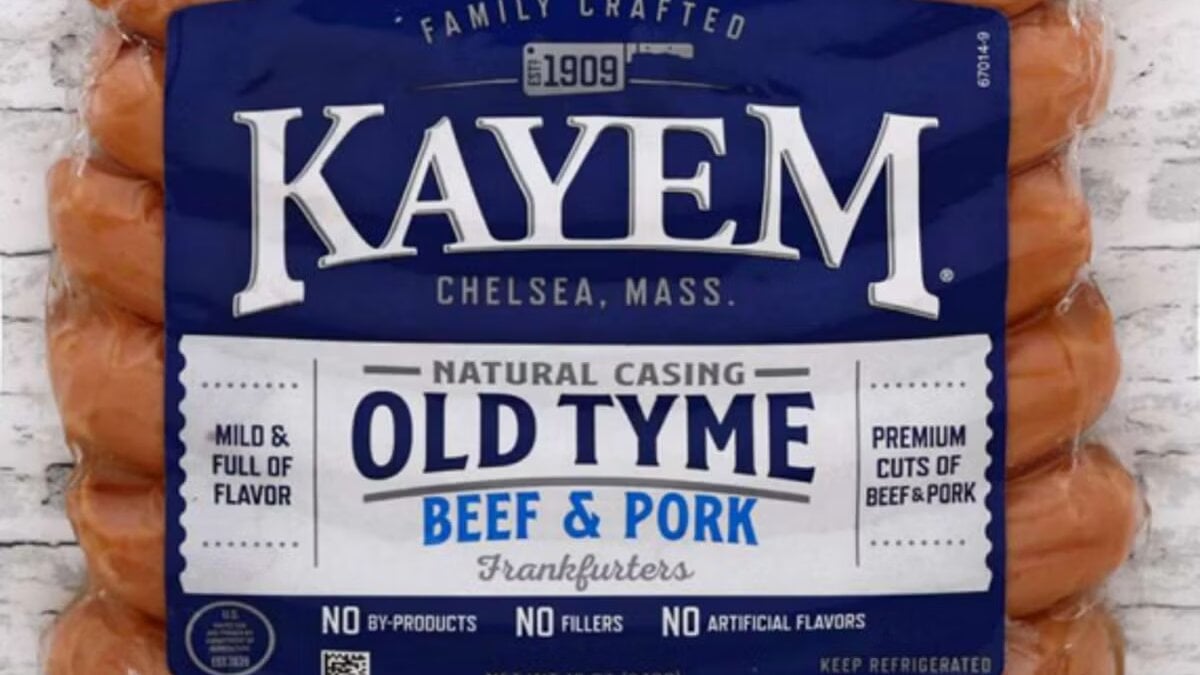
For shoppers, a temperature problem at a warehouse has prompted a nationwide meat recall. Kayem Foods Inc. recalled approximately 1,584,361 products, including hot dogs, bacon and sausage, after an investigation found temperature fluctuations in a cooler where the items were stored.
The U.S. Department of Agriculture’s Food Safety and Inspection Service classified the recall as Class I, its most serious category, because of the potential health consequences. The affected products went to retail and food service locations across the United States and Hong Kong. No illnesses have been reported.
Customers who have the recalled products should discard them or return them to the place of purchase, the agency said.
What prompted the recall
According to the Food Safety and Inspection Service, the investigation began after a customer reported receiving a warm product delivery on October 1. Investigators found that a warehouse cooler had experienced temperature fluctuations while holding the meat products.
Kayem Foods initiated the recall after learning that the items may not have been stored at the correct temperature. The agency’s Class I designation means “there is a reasonable probability that the use of the product will cause serious, adverse health consequences or death.”
The recall covers approximately 1,584,361 items manufactured between March 31, 2026 and October 7, 2026. Affected products carry one of the establishment numbers “EST. M/P 7839,” “EST. P 20935A” or “EST. M 9520” inside the USDA inspection mark.
Products include various brands of hot dogs, bacon, sausage and deli meat. The Independent reported that a full list of affected items is available through the recall notice.
How customers can identify affected meat
The establishment number printed inside the inspection mark can help shoppers check whether a package is part of the recall. Customers should also compare their product with the affected-item list rather than relying on the food category or brand alone, since the recall includes multiple products.
The practical consequence is immediate: anyone with a recalled item should not eat it. The agency’s advice is to discard the product or return it to the retailer. The report did not identify any illnesses linked to the meat.
The recall extends beyond ordinary grocery purchases because affected items were also shipped to food service locations. Businesses that received the products are among the locations covered by the distribution, according to the agency’s account.
The recall applies to approximately 1,584,361 items manufactured between March 31, 2026 and October 7, 2026.
Source: independent.co.uk