EU Arctic Draft Drops Explicit Call for Drilling Moratorium
A European Union draft Arctic strategy drops an explicit reference to a moratorium on new oil and gas drilling, departing from the bloc’s 2021 wording. It…
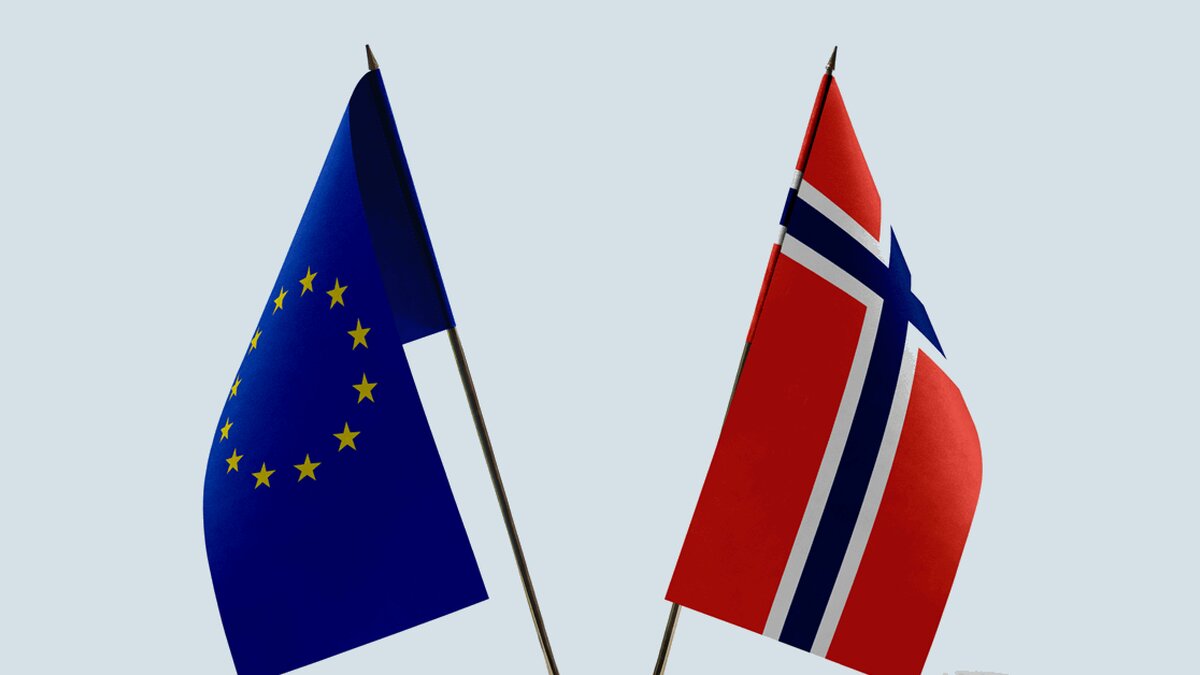
The wording of the European Union’s Arctic strategy could affect how the bloc approaches energy from the region. A policy draft softens language on Arctic drilling by dropping an explicit reference to a moratorium on new oil and gas exploration, while still calling for fossil fuels to stay in the ground.
The draft, seen by Bloomberg, marks a change from the EU’s 2021 position. It says the union will “prioritize” renewable energy and hydrocarbons produced outside the Arctic, and supports work toward an international commitment against further development of Arctic oil and gas resources, or purchases from them, when that activity “poses a threat to the Arctic ecosystem.”
The distinction matters for Norway, a major supplier of gas to the EU and a country that has lobbied against the bloc’s climate-based opposition to oil and gas exploration in the high north. The draft does not pledge to stop buying fuel from Norway’s new Arctic fields.
What the draft changes
The 2021 strategy language referred to “building on the partial moratoriums on hydrocarbons exploration in the Arctic” in parts of the US, Canada and Greenland. It also said the EU was committed to ensuring oil, coal and gas stayed in the ground, including in Arctic regions, and would work toward a multilateral legal obligation against further reserve development or purchases.
The latest draft removes the explicit moratorium reference. It does not, however, abandon the broader commitment to keeping coal, oil and gas in the ground, including in the Arctic, in line with the EU’s climate targets. The bloc has set a legally binding goal of cutting net greenhouse gas emissions by 90 percent by 2040 from the 1990 level.
Norway’s role gives the language practical significance. It supplied almost a third of the EU’s gas imports last year, including a small part from fields in the Barents Sea, which lies within the Arctic. Norway awarded five oil and gas exploration licenses there in last year’s licensing round and opened 38 blocks for applications in 2026.
For energy buyers and producers, the draft stops short of a blanket rejection of Arctic-origin supply. It instead emphasizes renewable sources and hydrocarbons from outside the region, while leaving any restriction tied to whether development or purchases threaten the Arctic ecosystem. The text does not specify how that threat would be assessed.
Environmental groups see continuity
The wording has prompted concern in the petroleum industry that the EU could pledge not to buy oil and gas from Norway’s new Arctic fields. But environmental groups cited in the report said the changes do not amount to a significant retreat by Brussels.
Paal Frisvold, who heads the Alliance to Preserve the Moratorium on Oil Drilling in the Arctic, told Bloomberg he believes removing the word “moratorium” makes the key climate message stronger. He said: “EU is determined to keep fossil fuels in the ground.”
A spokesperson for Equinor ASA, which already produces oil and gas and is exploring more fields in the Barents Sea, referred questions to the Energy Department. A ministry spokesperson declined to comment ahead of the strategy’s release.
The draft also maintains the EU’s opposition to deep-sea mining until scientific knowledge gaps have been “satisfactorily filled.” Norway approved seabed mining in 2024, but no such work has started.
Source: rigzone.com