United CEO Scott Kirby backs wealth and inheritance taxes
United Airlines CEO Scott Kirby said wealth inequality poses a danger to society and called for a national wealth tax and inheritance taxes that could approach…
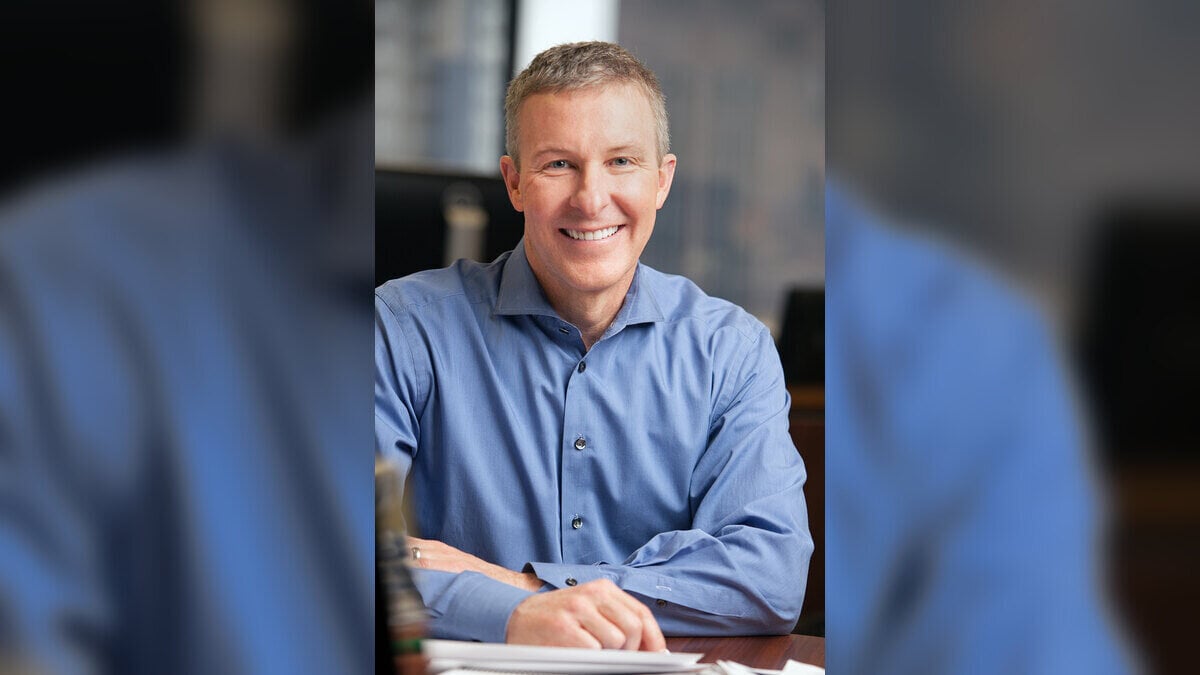
United Airlines CEO Scott Kirby has called wealth inequality a danger to society, urging the United States to adopt a national wealth tax and inheritance taxes that could approach 100% at some level. He made the remarks in an interview with The New York Times that ran Oct. 18, while discussing waning trust in corporate chief executives.
Kirby said he would pay the taxes he proposed. His comments put a prominent airline executive behind higher levies on wealthy Americans, even as he defended United’s fees for aisle and window seats and argued that air travel costs are rising because operating aircraft is expensive.
“Wealth inequality has become a danger to our society, and we need to address that,” Kirby said. “We should have a national wealth tax — it won't work by state because people will just move. And I think we should have inheritance taxes that get close to 100% at some level. I would pay them.”
The interview was reported by The New York Times. Yahoo Finance said United Airlines stock rose 0.3% before the bell on Tuesday.
Kirby also defended charging passengers more for preferred seats. “There are customers that pay more that get more,” he said, responding to questions about the airline’s fees. He also countered criticism of higher fares by saying, “it's expensive to fly airplanes.”
Those remarks connect the tax argument to the business decisions United makes for passengers. Kirby defended a pricing model in which customers pay more for aisle or window seats, while arguing that operating costs help explain airfare levels. His interview offered both a call for higher taxes on wealth and a defense of the airline’s approach to charging for seat selection.
Kirby is not the only business leader cited in the report to support higher taxes on wealthy Americans. Yahoo Finance pointed to Warren Buffett, Bill Gates and George Soros as figures who have advocated for a greater tax burden at high wealth levels. The report also cited past comments by Gates and Salesforce CEO Marc Benioff.
Gates wrote on his blog in 2020: “We've updated our tax system before to keep up with changing times, and we need to do it again, starting with raising taxes on people like me.” Benioff wrote in 2019 that “increasing taxes on high-income individuals like myself would help generate the trillions of dollars that we desperately need to improve education and healthcare and fight climate change.”
The article also described the current inheritance-tax framework. It said there is no federal tax on individual beneficiaries of inherited assets, while a few states impose state inheritance taxes. A separate federal estate tax applies to estates above an exemption of $15 million per person, and the report said only 0.2% of estates are large enough to face it.
Under that federal estate tax, the report said, tax applies only to the amount above the exemption threshold. Kirby’s proposal would go much further in his own words: he called for inheritance taxes approaching 100% “at some level,” without specifying a threshold or setting out a detailed plan.
The interview’s comments on taxation came in response to a question about declining trust in CEOs and Kirby’s responsibility in addressing it. His answer was a direct endorsement of a national policy, paired with the argument that state-level wealth taxes would encourage people to move.
Yahoo Finance also noted that Congress had considered taxing unrealized gains for people with a net worth of at least $1 billion or annual income of $100 million for three consecutive years, but that proposal did not pass. The report said Republicans later passed the One Big Beautiful Bill Act, which made lower marginal tax rates for high incomes permanent, alongside other provisions benefiting wealthy Americans.
The federal estate-tax exemption cited in the report is $15 million per person.
Source: finance.yahoo.com