EU Investigates Booking.com Over Fake Listings and Phishing Risks
EU regulators have opened an investigation into Booking.com over fake accommodation listings, phishing scams and the transparency of paid placements. The…
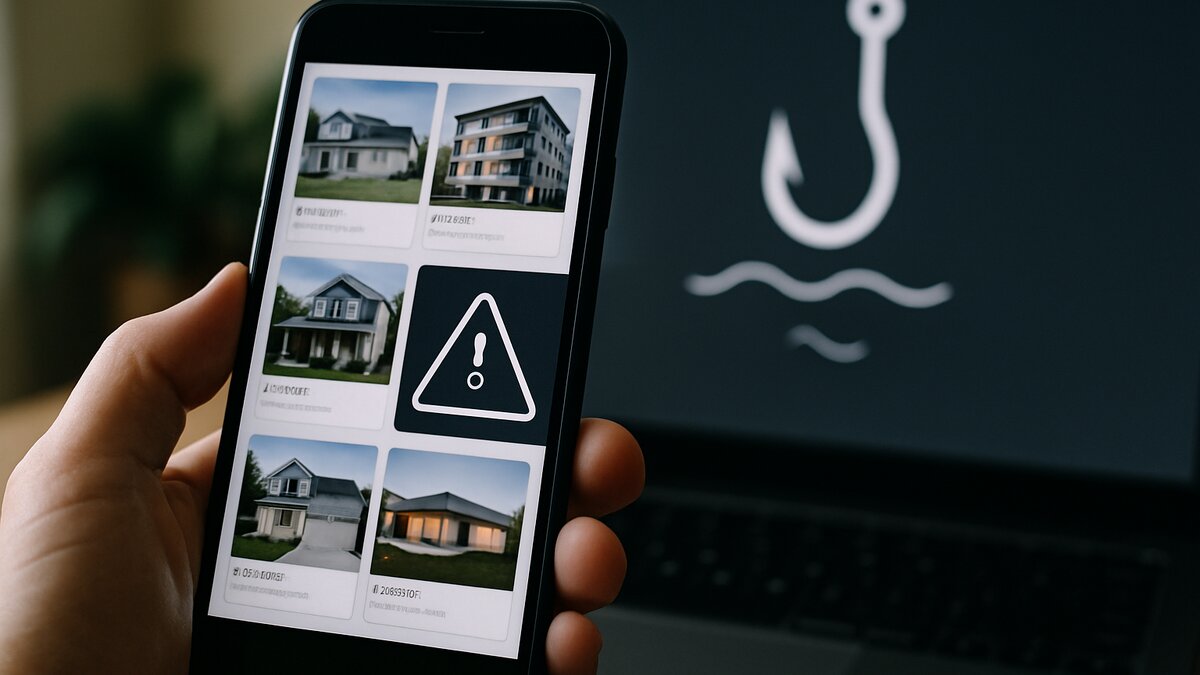
For travellers booking accommodation online, a fraudulent listing can turn a holiday reservation into a demand for money from a scammer. EU regulators have opened an investigation into Booking.com over fake listings and phishing scams, saying the platform may have breached the bloc’s Digital Services Act.
The European Commission is examining whether the company did enough to assess risks and prevent fraud, and whether accommodation providers’ paid placements were clearly identified to users. The investigation does not determine whether Booking.com broke the rules; the commission said its opening does not prejudge the outcome.
A commission official described the company’s approach to fraud as “absolutely substandard.” The official said Booking.com took some measures but could do more, including building stronger systems to prevent scams.
Booking.com under investigation over consumer risks
The probe covers fake accommodation listings, phishing and possible gaps in safeguards against the misuse of data. In phishing scams, criminals impersonate a third party to persuade people to hand over money. Some travellers have arrived at properties after booking through the site, only to discover the accommodation had been listed fraudulently.
Officials are also examining so-called reservation hijacks. In these cases, scammers use hacked information to impersonate accommodation providers, then contact customers through WhatsApp or Booking.com’s own platform to request payment, supposedly to secure a stay.
The impact is direct: a customer may believe a reservation is legitimate, send money and discover the fraud only when trying to check in. The investigation also raises a separate question for people comparing places to stay: whether the platform makes clear when a business has paid to appear more prominently.
The Dutch consumer association Consumentenbond reported receiving 200 complaints about scams involving Booking.com in 2025, with losses of €65,000. The previous year, it received 89 reports worth €25,000. The association said those reports were “just the tip of the iceberg,” because many victims do not contact its fraud helpdesk.
Commission examines safeguards and advertising
The investigation follows a test by UK consumer group Which?, whose researchers set up a fake offer to stay at 10 Downing Street on Booking.com and accepted payment for it, according to the Guardian. EU officials are also examining whether the company has adequate safeguards against misuse of data linked to reservation hijacks.
Booking.com, headquartered in Amsterdam, says it has 28m accommodation listings. A company spokesperson said it was engaging constructively with the commission and called security, trust and personal information protection top priorities.
“We remain committed to working with relevant governments, regulators, law enforcement and industry partners to combat cybercrime and online fraud, and protect travellers and partners,” the spokesperson said.
The Digital Services Act sets obligations for online platforms to address harmful and illegal content. Under the law, a company could face a fine of 6% of its worldwide annual turnover. The commission has not announced a finding against Booking.com.
Agustín Reyna, director general of the consumer group BEUC, welcomed the investigation and called the issue “a systemic problem.” Henna Virkkunen, the commission’s lead official on tech policy, said Europeans should be able to book holidays without fear of scams and that platforms must take their responsibilities seriously.
Booking.com told the BBC in 2024 that it had seen a 500 to 900% increase in scams over the previous 18 months, which it attributed to generative AI tools helping fraudsters create convincing fake emails and booking links.
Source: theguardian.com