Ombudsman Finds Gaps in Aid for Indonesia Quake Victims
Indonesia’s Ombudsman flags uneven quake aid, pending housing plans and education access barriers in East Nusa Tenggara after monitoring in 2026.
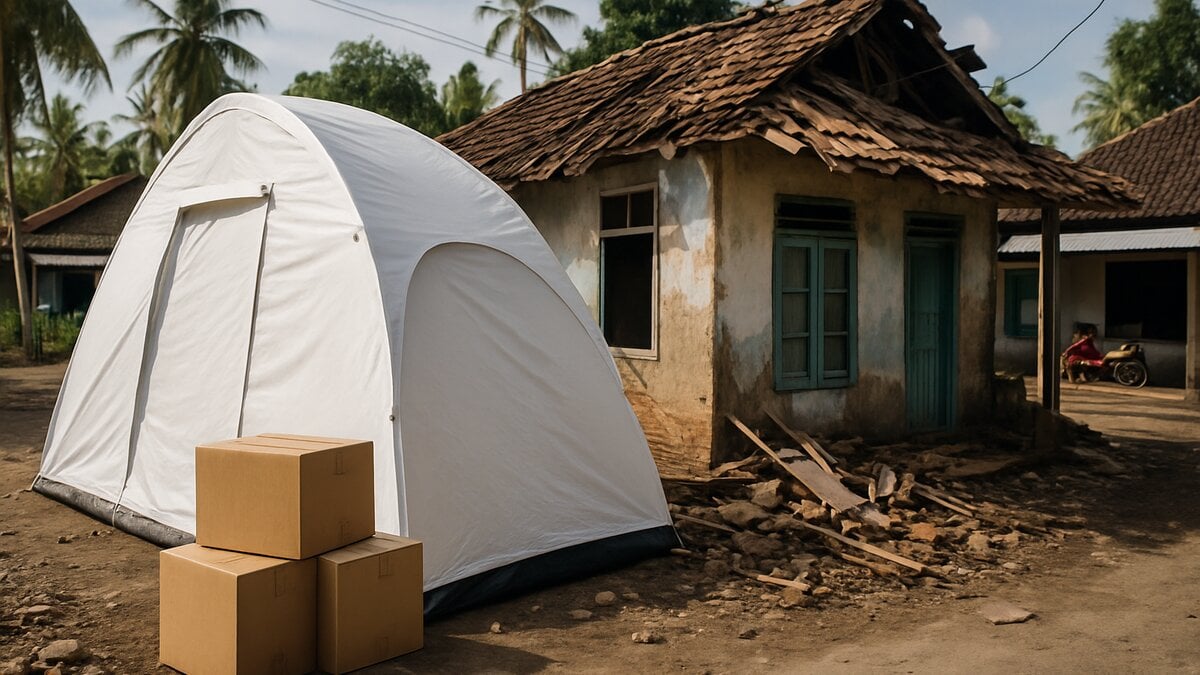
JAKARTA — Uneven aid and delays in planning housing for earthquake survivors in Indonesia’s East Nusa Tenggara province have exposed gaps in the country’s disaster response, the national ombudsman said on Wednesday. The findings, based on monitoring conducted in September and October 2026, also include barriers to education access.
The issues affect how quickly communities can recover after a disaster. Aid that does not match local needs, combined with unresolved housing plans, can leave recovery moving at different speeds from one affected area to another.
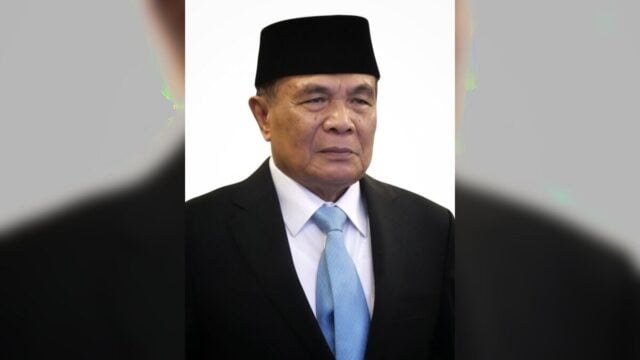
Robert Na Endi Jaweng, a member of Indonesia’s Ombudsman, said the monitoring identified four problems in services for people affected by the quake. “In the context of maladministration, we note that there are still points of maladministration that need to be addressed going forward,” he said.
Aid distribution does not always match local needs
The first finding concerns the distribution of assistance. Robert said aid has not always been allocated according to conditions on the ground, including the scale of damage and the severity of the disaster’s impact.
That mismatch can leave areas facing heavy impacts waiting longer or receiving less support than other places. Access to help from government and non-government sources also differs, he said.
“Sometimes the impact is also severe, but the assistance takes a very long time or is not as substantial as in other areas that may have access to those providing aid, whether from the government or non-government sources,” Robert said.
For residents, the consequences are immediate: delays can slow recovery, while uneven distribution can widen differences between affected communities. The Ombudsman’s findings point to the need to weigh damage and local needs when directing assistance, rather than relying only on where aid is readily available.
Victim data awaits review before housing plans
A second concern involves housing and victim records, particularly in the response to a recent disaster in Flores. Robert said data collection and verification had been completed, but the records still required review by Indonesia’s National Disaster Management Agency (BNPB).
The review must take place before the data can guide plans for temporary and permanent housing. The same records will also underpin rehabilitation and reconstruction programs.
That sequence matters for residents awaiting recovery support. Until the reviewed data is used to shape plans, housing needs and broader recovery measures remain tied to the next stages of the process.
The Ombudsman also identified restricted access to education among the four concerns. The available briefing did not specify the form of the barriers, the locations affected or any targeted follow-up measures.
Robert said the recorded problems require improvements in services for disaster-affected communities. The verified victim data remains subject to review by BNPB before it is used to plan housing and rehabilitation programs.