EU Keeps Russia Energy Sanctions in Place Until War Ends
European Commission President Ursula von der Leyen said EU sanctions against Russia, particularly measures targeting energy, will remain in force until Moscow…
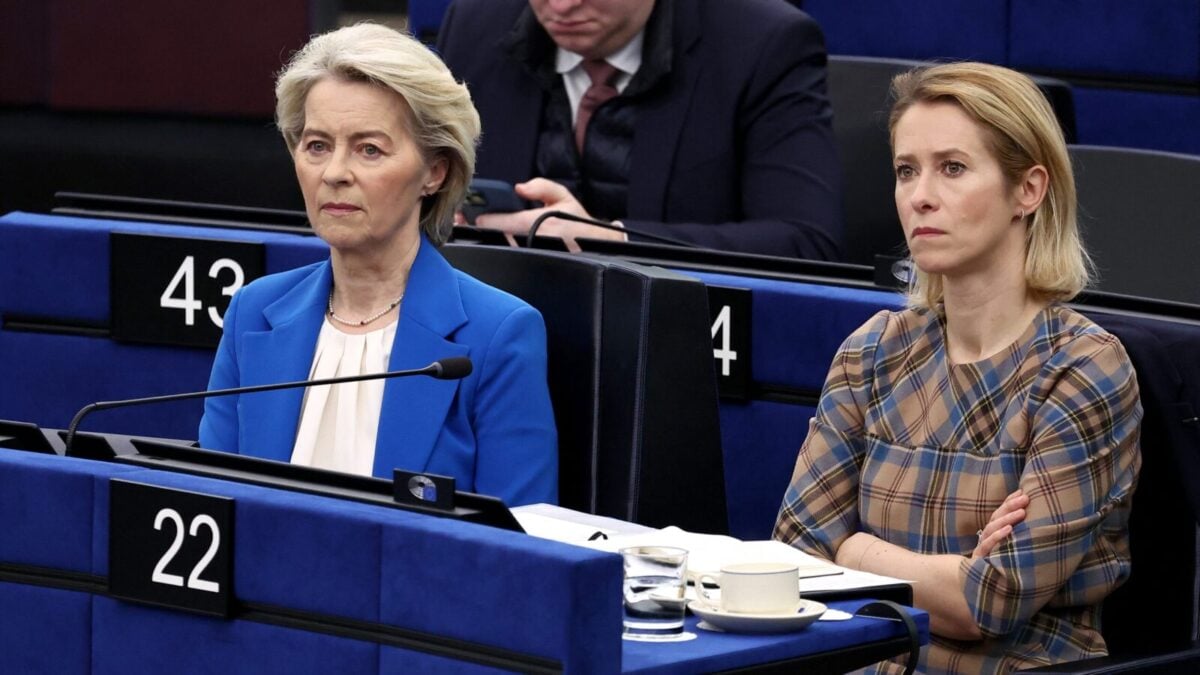
European Commission President Ursula von der Leyen said in Strasbourg that von der leyen sanctions against Russia, particularly those targeting the energy sector, will remain in force until Moscow ends its war. Her remarks came during a European Parliament debate on the outcome of last week’s EU summit, where leaders also addressed energy costs, migration and Europe’s economic competitiveness.
The position keeps pressure on Russia tied to the end of the war. Von der Leyen said Russia had halted gas supplies to Europe, showing that it was an unreliable energy supplier and had used energy as a weapon.
“Russia had exploited Europe’s dependence on energy for political pressure, a lesson the EU would not forget,” she said.
Energy costs and dependence
European Council President António Costa put the cost of energy at the center of his remarks. He said households and businesses should not have to bear the cost of the war in the Middle East, which is taking place far from the EU’s borders.
Costa said Europe’s reliance on imported fossil fuels left its prosperity exposed to events beyond its control. He argued that the response should focus on affordable energy produced in Europe. The remarks put the immediate burden on households and businesses alongside the broader question of energy security.
Von der Leyen also said the European Commission would make simplification part of all new proposals. She identified excessive regulation and reporting requirements as targets, while calling for the single market to be completed and for businesses to find it easier to start up and expand.
That agenda could affect companies facing EU rules, though the remarks did not set out specific proposals or a timetable. Her stated aim was to reduce regulatory burdens while helping European firms compete globally on fair terms.
Trade and border security
On competitiveness, von der Leyen described the EU’s trade deficit with China as unsustainable. It reached one billion euros a day in 2025, she said, pointing to industrial overcapacity and unfair market practices as factors distorting competition.
Migration was another focus. Von der Leyen said the results of EU measures showed a common European approach could work, but recent events in Ceuta had again demonstrated how quickly new threats could emerge at the bloc’s borders.
She called for stronger protection of the EU’s external borders, an expanded mandate for the border agency Frontex and greater preparedness to respond rapidly to exceptional threats. The comments identify border readiness as an area where the bloc may seek a stronger shared response.
Costa also called for increased EU support for Ukraine. He said commitment to peace must be matched by continued pressure on the aggressor, adding that Ukraine’s security and Europe’s security were inseparable.
Von der Leyen said the sanctions would remain in force until Moscow ends its war.
Source: hungarianconservative.com