Oil price rises above $115 as Iran tensions rattle markets
Brent crude rose 1% to above $115 a barrel on Friday, reaching its highest level since May. The Guardian reported that prices climbed after Tehran threatened…
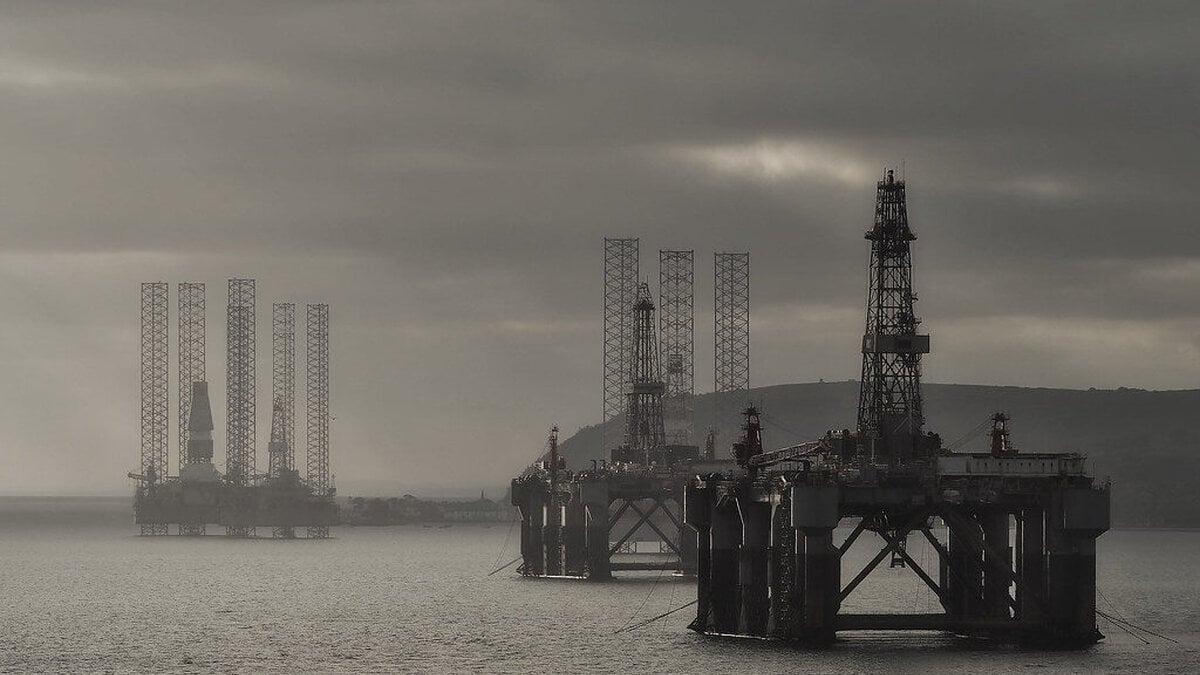
Oil price rises above $115 a barrel after Tehran threatened attacks on Gulf facilities if the United States and Israel launch a new offensive against Iran. Brent crude, the international benchmark, rose 1% on Friday morning to its highest level since May, The Guardian reported.
The move reflects fears of a fresh escalation in the Middle East conflict and possible disruption to energy supplies. Tehran said it would target oil facilities, undersea cables, datacentres and AI facilities in the Gulf region if a new offensive began.
Richard Hunter of broker Interactive Investor said reports that the US was considering renewed military strikes on Iran after the midterm elections had been enough to lift prices. He said the conflict, once expected by many to be brief, was now in its eighth month.
Threats add to supply concerns
Brent was trading at about $72 a barrel in February, before the Iran war began, and climbed to $126 a barrel by the end of April, according to The Guardian. Friday’s price rise puts the benchmark above $115 again as investors weigh the risk of further damage to energy infrastructure and shipping routes.
Tensions have risen this week. Iran’s Islamic Revolutionary Guards Corps claimed it struck four commercial ships in the Strait of Hormuz on Wednesday. The US State Department also ordered some diplomats and family members of US government employees to leave Saudi Arabia, which has faced continued attacks from Houthi rebels in Yemen.
The threats matter beyond oil traders. A prolonged disruption to Gulf energy facilities or shipping could tighten supplies, with potential consequences for fuel and energy costs. The Guardian’s reporting links the latest price rise to concerns over possible strikes and threats to infrastructure; it does not give a forecast for consumer prices.
Susannah Streeter, chief investment strategist at Wealth Club, said market fears were growing that American and Israeli forces could be ordered to strike Iran’s energy infrastructure after the US elections on 3 November. She also pointed to intensified Houthi attacks on Saudi facilities and the danger facing ships crossing the Strait of Hormuz.
“For ships attempting to cross the strait of Hormuz, it’s still a dangerous journey, with projectiles still being fired,” Streeter said.
Shipping and refinery risks in focus
Streeter said Ukraine’s bombardment of Russian diesel refineries was also adding to supply concerns. The combination of risks—from Gulf shipping and infrastructure to refinery operations—has widened the market’s focus beyond the immediate threat of a new US-Israeli offensive.
The Strait of Hormuz is central to the latest concern because threats to commercial vessels there can raise fears about the movement of oil. The Guardian reported Iran’s claim about the four ships, while also noting the US decision to move some personnel and their families out of Saudi Arabia. Those developments add to an already tense regional picture, but the reporting did not establish that oil flows had been halted.
Oil’s sharp changes this year underline how quickly conflict news can alter market expectations. Brent moved from about $72 a barrel in February to $126 by the end of April, and is now above $115 after the latest threats and reports of possible renewed strikes.
For households and businesses, the immediate significance is the risk that sustained supply concerns could feed into energy costs. The source report describes that risk through threats to facilities and shipping, not a confirmed change in consumer fuel prices.
The Guardian’s report also cites fears that the US could renew military action after the midterm elections, while Tehran has warned it would target Gulf infrastructure if a new offensive is launched. Brent’s Friday morning rise was 1%, taking it above $115 a barrel.
Source: theguardian.com