Ruins of Limoges city hall expose France’s protest divide
The fire-damaged city hall in Limoges has become a defining image of protests over living costs and school conditions. Mayor Guillaume Guérin blames the French…
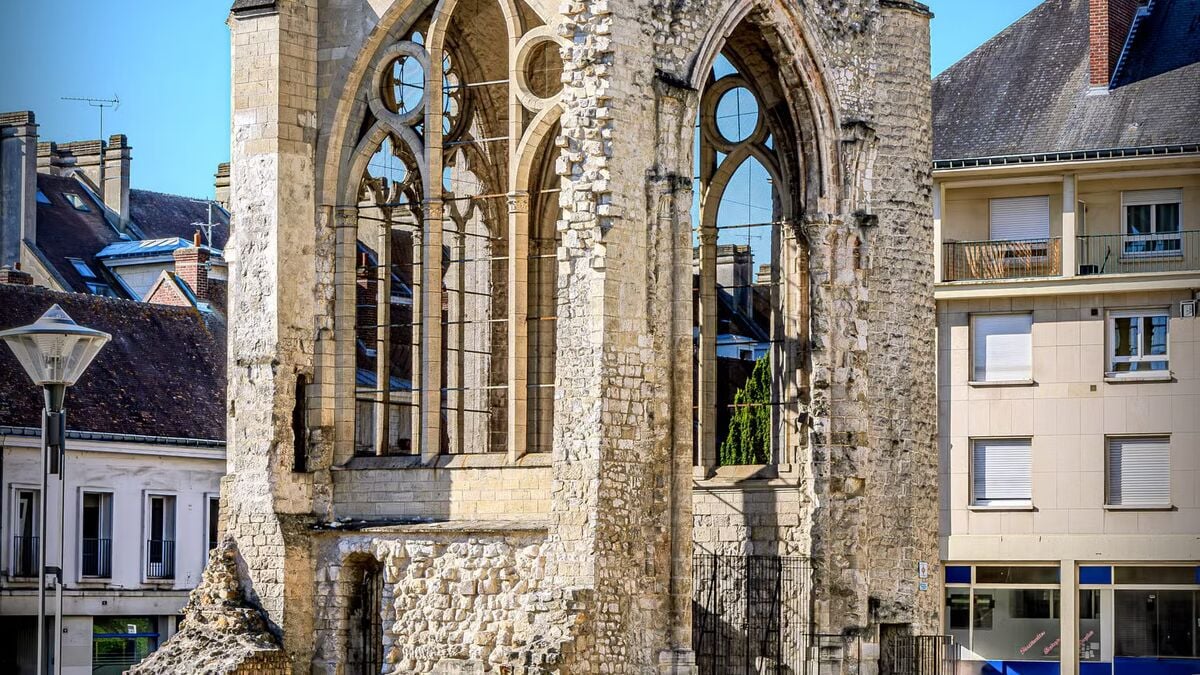
The ruins of Limoges city hall have become a defining image of France’s protests over living costs and school conditions. The fire-damaged 19th-Century building has sharpened a local dispute over the violence, while authorities restrict gatherings and impose overnight curfews in the city.
The wooden clock tower collapsed into flames during last weekend’s unrest. Flowers now sit at the entrance, where residents have gathered to mourn damage to one of Limoges’ most prominent buildings.
“It is a historical tragedy for France, not just Limoges,” Mayor Guillaume Guérin said.
Guérin, a conservative, blames the damage on the French hard left, supported by rioters. Two men have been arrested: one is 66 and the other is 34. Prosecutors say they have links to “radical-left networks”.
The mayor, who is six months into his term, said he received a message of support from US Vice President JD Vance but not from outgoing President Emmanuel Macron. Guérin said the fire could influence France’s presidential election, which is six months away.
Authorities have announced overnight curfews in Limoges and restricted gatherings in the city centre to 10 people. The measures are part of a wider effort to prevent a repeat of the rioting, with officials also banning demonstrations in various cities and promising more police over the weekend.
Ruins of Limoges city hall divide residents
The protests began with demonstrations over the condition of high schools, then grew into broader anger about the difficulty and expense of daily life, according to BBC reporting. Hundreds of thousands of people, mostly young, have taken part over several weeks, with protests increasing in size and scope.
The destruction has not persuaded everyone that damage to the building should take priority over the grievances driving the demonstrations. Alexander, a 24-year-old student who took part in last weekend’s protests, called the city hall a symbol of the republic but questioned whether it mattered more than people living in poverty.
“For some people it’s a catastrophe and some things are not acceptable,” he said.
He was speaking at the Lord John pub, where students gathered for student night. Alexander and others wore faluches, traditional French student berets, and discussed protests that had included fires and looting. Reported damage in Limoges reached €500,000 (£420,000).
Jade, a 19-year-old medical student, said burning the town hall was sad but not the saddest part of the protests. She said she has to live on €300 per month and feels young adults are not respected.
That contrast gives the fire a meaning beyond the building itself. For residents who see the town hall as a civic symbol, its destruction crosses a line; for some protesters, the pressure of poverty remains the more urgent issue. The same event is being read as both a loss to the town and a sign of frustration with the conditions that brought people into the streets.
Curbs as France braces for more unrest
The wider unrest has left the central government facing protests, public anger and a daunting fiscal deficit, BBC reported. Prime Minister Sébastien Lecornu visited Limoges on Friday evening as officials prepared measures aimed at curbing disorder over the weekend.
A separate BBC report said authorities were tightening restrictions elsewhere in France ahead of further demonstrations. Paris extended partial curfews in parts of the capital, while Marseille and Lyon imposed a total ban on protests for the weekend. Museums in Paris, including the Louvre, Orsay and Picasso museums, were set to close on Saturday as demonstrations were expected.
In Limoges, the restrictions affect how residents can gather in the city centre as authorities try to prevent another night of fires and looting. The debate over the town hall is continuing alongside the protests’ wider complaints about school conditions and the cost of living.
For Guérin, the building’s damage has become a national political warning. For young protesters, the city hall’s symbolism does not erase the financial strain they describe. Reported damage in Limoges stands at €500,000 (£420,000).
Source: bbc.co.uk