Super Mario Creator Breaks Silence on AI and Creativity
Shigeru Miyamoto says AI can help people engage with creative work, but warns that enjoying the process can make creators mistake a satisfying result for a…
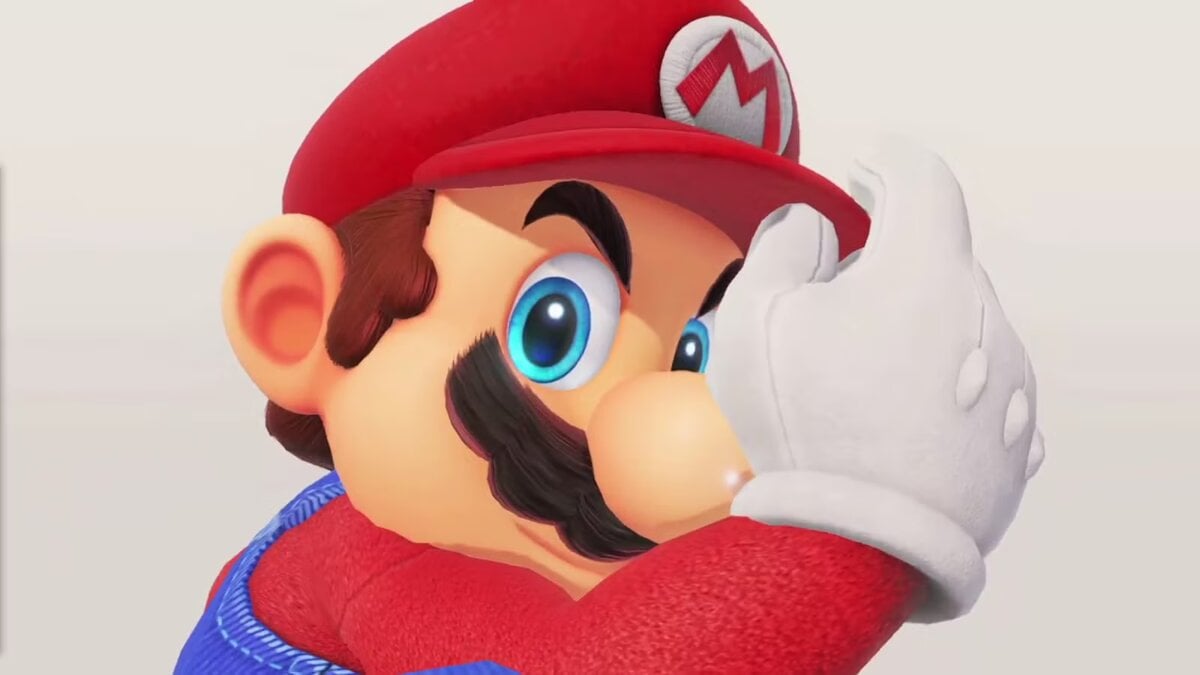
Shigeru Miyamoto, the Nintendo designer behind Super Mario, says AI can help people take part in creative work but may also leave them mistaking satisfaction with the process for a strong result. He discussed the issue at a press conference after receiving Japan’s 2026 Order of Culture award.
Miyamoto compared the current debate over AI with the changes computers and word processors brought to design. His point: when tools take over technical tasks, a person’s individual creative judgment becomes more visible.
Tools change what counts as creative work
Designers once learned “lettering,” the practice of writing attractive text for posters, at school, Miyamoto said. As computers and word processors improved, people could copy and paste text, import images and produce neat lettering more easily. The shift moved attention toward choices such as layout, he said.
“That's what it means for tools to change,” Miyamoto said, after describing how people who had not been considered designers could show stronger design ability once the technical barriers shifted.
The transition matters to game makers and other creators because AI tools can help people build an overarching structure quickly, Polygon reported. That can leave users to fill in the gaps, a process some creators describe as the central work. Miyamoto sees a risk in that framing: completing a task can feel rewarding even when the result has not been carefully judged.
“This is the tricky part; the work itself is enjoyable,” he said. “When you're working, you get a tremendous sense of satisfaction from 'creating' something. But the scary thing is that you become so satisfied with the work that you mistakenly think, 'I've made something pretty good.'”
What AI changes for creators
For people using AI to make games or other work, Miyamoto’s concern is not simply that tools can produce material. He pointed instead to the judgment that follows: creators still have to decide whether what they have made works, rather than treating the feeling of completion as proof.
He also said he welcomes AI’s ability to help people understand the enjoyment and power of creation. Miyamoto described a career spent trying to lower barriers to playing and developing games, including for people who are not gamers or professional game designers.
The comparison with computer-assisted design has limits. Miyamoto acknowledged that he does not know what changes AI will bring in the future. Still, he questioned whether work made through copying and pasting can endure.
“There have probably been designs in the past that were created simply by copying and pasting. But those don't last forever, do they?” he said.
Miyamoto’s remarks came after Japan’s Ministry of Education, Culture, Sports, Science and Technology named him a recipient of the 2026 Order of Culture. Polygon reported that the press conference also covered the influence of the countryside on his artistry and how Nintendo maintains originality with a workforce of 10,000 people.
“I think there is still plenty we can do,” Miyamoto said.
Source: polygon.com