UK standby rules could make smart TVs take longer to switch on
The UK government is consulting on new standby and off-mode rules for smart household devices, including televisions. The proposals would cap how much power…
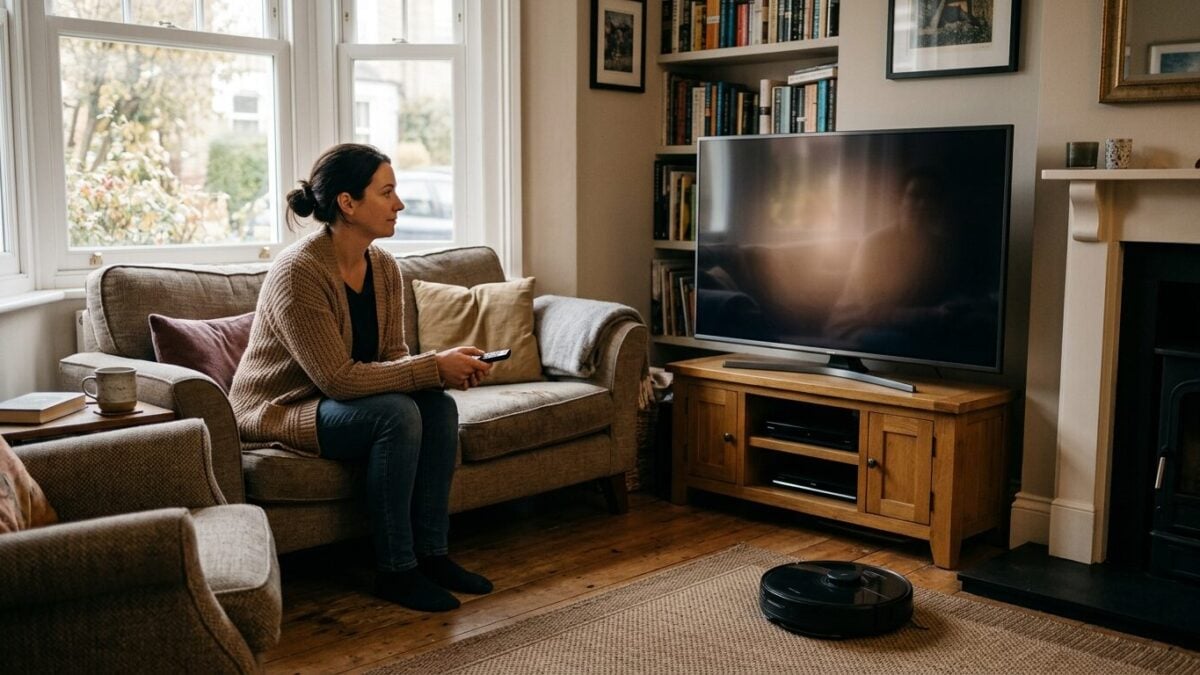
The UK government says household devices should use less electricity while idle, but tighter standby limits could change how quickly they wake. Its proposed rules could make smart TVs take longer to switch on as Britain consults on aligning its standards with those of the European Union.
The consultation covers smart household products including televisions, robot vacuum cleaners, air fryers and voice-activated light systems. The government says limits on standby power use are intended to stop devices from “draining money” from families, though it acknowledges that the measures could increase the time products need to turn on again.
The trade-off is direct. Lower standby consumption, potentially slower starts.
Rules target standby electricity use
The proposals would set a cap on the power devices can consume in standby mode. They also cover off mode and networked standby, according to the consultation, which says the current UK minimum standards have “not kept pace with technological progress”.
The government’s consultation says: “The revised regulations are designed to deliver ongoing benefits by reducing the power consumed by products in off mode, standby mode and networked standby.” It adds that the measures would apply newer standards to a wider range of devices as technology and equipment energy demands change.
The proposed regulations draw on recent changes in the EU. The Independent reported that aligning the rules could allow manufacturers to treat the UK and EU markets in the same way. The consultation does not provide a specific start-up delay for televisions or a figure for the proposed standby power cap.
That leaves households weighing an intended reduction in wasted electricity against a possible wait when switching on connected devices. The proposed changes cover more than TVs, so the effect could extend to other everyday appliances if they fall within the new standards.
Energy savings and convenience
A spokesperson for the Department for Energy Security and Net Zero (DESNZ) told The Independent: “Smart devices shouldn’t hit people’s pockets – that’s why we’re improving our standards to stop everyday devices silently draining money from families’ bank accounts.”
The spokesperson said the efficiency standards would limit electricity use in standby, reducing wasted energy and saving households money on bills. Those are the government’s stated aims; the consultation text supplied no estimate of the savings for a household or the time a TV might take to restart.
Andrew Bowie, the shadow energy secretary, criticised the plan in comments to The Telegraph. He said: “Labour’s net zero obsession is reaching into people’s living rooms, threatening to make everyday household gadgets slower, more irritating and less convenient.”
Bowie argued that families were tired of restrictions and said Britain needed cheaper energy and lower bills. His remarks present the proposal as a convenience and cost concern, while the government has framed it as a way to curb electricity consumption and reduce bills.
The consultation’s outcome will determine how the proposed standards are developed. For now, the government is seeking views on rules that would bring UK requirements closer to EU measures while limiting power use when household products are not actively being used.
Source: independent.co.uk