Brent Crude Falls 0.89% to $115.68 in Asian Trading on Monday
Brent crude fell 0.89% to $115.68 a barrel and U.S. West Texas Intermediate dropped 1.03% to $102.22 in Asian trading on Monday, CNBC reported. The pullback…
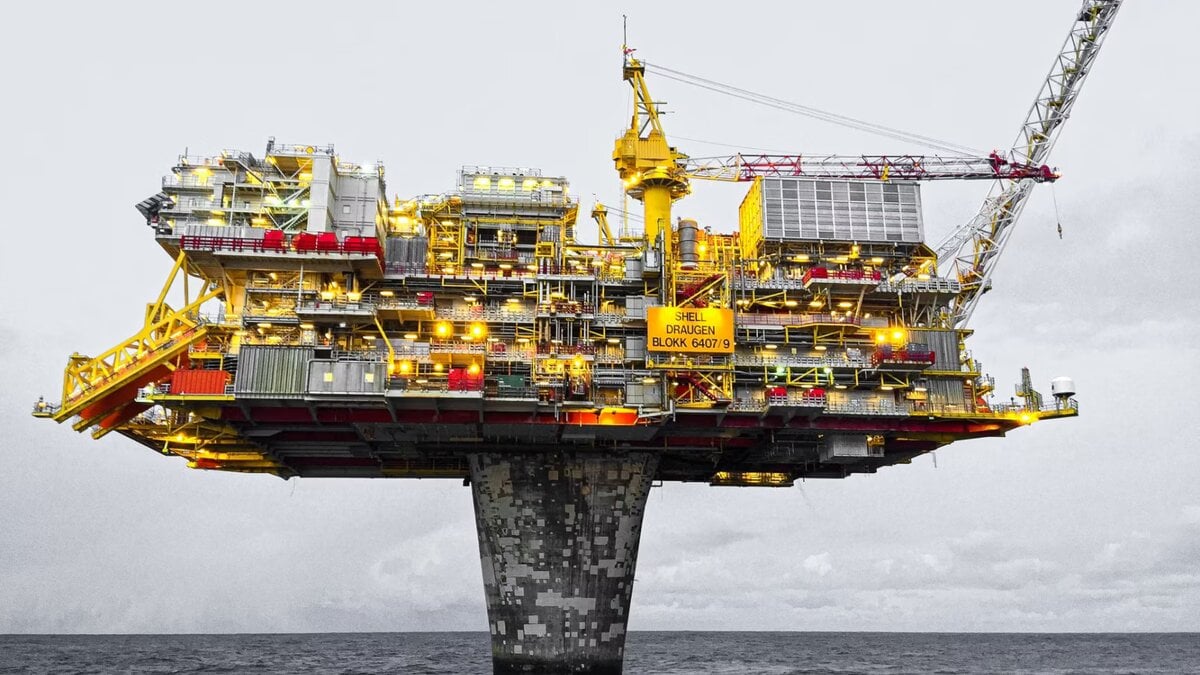
Brent crude fell 0.89% to $115.68 a barrel in Asian trading on Monday, while oil price today for U.S. West Texas Intermediate stood at $102.22 after a 1.03% decline, CNBC reported. The move came after Brent reached its highest level since April last Friday amid reports of possible U.S. and Israeli strikes on Iran after the midterm elections.
The decline offers a pause after a sharp climb, but oil remains exposed to developments in the Middle East. For households, changes in crude prices can feed into fuel costs, though pump prices also reflect refining, transport, taxes and station markups.
Brent retreats after reaching a high
CNBC reported the latest prices as oil markets traded in Asia on Monday. Brent, the global benchmark, was down to $115.68 a barrel. U.S. benchmark West Texas Intermediate, often shortened to WTI, fell to $102.22 per barrel.
The two benchmarks track different crude markets. Brent is widely used as a reference for oil traded globally, while WTI is the main benchmark for North America, according to Fortune.
Friday’s peak for Brent followed news reports that the United States and Israel could be planning strikes on Iran after the midterm elections. The source did not report that any strike had taken place. The market move instead reflected concern around the reports and the potential for disruption.
Oil had also contributed to pressure across financial markets on Friday. CNBC said higher oil prices, alongside a broader sell-off across sectors, helped drag the three major U.S. stock averages lower. The Dow fell more than 650 points, while the S&P 500 lost 0.5% and the Nasdaq Composite dropped 0.2%.
What the move can mean for fuel costs
Crude is a major part of the cost of gasoline, but it is not the only part. Fortune said pump prices also include the costs of refining and moving fuel, taxes, and the markup charged by local stations. That means a drop in crude does not necessarily show up immediately or in equal measure at the pump.
When oil prices rise, gasoline prices typically move higher as well. When crude retreats, retail prices can take longer to fall, a pattern sometimes called “rockets and feathers,” Fortune reported. The account did not provide a forecast for how quickly pump prices might respond to Monday’s decline.
The same source described the U.S. Strategic Petroleum Reserve as a store of crude intended primarily to support energy security during emergencies. It can provide temporary relief during supply shocks, Fortune said, but is not a long-term answer to high prices.
Oil and natural gas markets can also affect each other. Fortune said some industries may switch to natural gas for parts of their operations when oil becomes more expensive, where that is possible. Such substitution can raise demand for natural gas.
Central banks add to market focus
Investors are also weighing a series of central bank decisions this week. CNBC reported that the U.S. Federal Reserve, the European Central Bank and the Bank of Japan are scheduled to announce rate decisions on Wednesday, Thursday and Friday, respectively.
The outlook for interest rates is part of a wider market backdrop, though the source did not link the central bank decisions directly to Monday’s fall in oil. Traders are watching the announcements as markets begin the week with mixed signals across Asia-Pacific.
CNBC reported futures for Japan’s Nikkei 225 in Chicago at 63,030, compared with its previous close of 62,693.16. Hong Kong’s Hang Seng futures last traded at 23,110, against a prior close of 23,093.37, while Australia’s S&P/ASX 200 was down 0.79% in early trading.
For energy consumers, the immediate point is that crude prices remain sensitive to geopolitical headlines, while the pass-through to retail fuel depends on several other costs. Brent was trading at $115.68 a barrel in Monday’s Asian session, CNBC reported.
Source: cnbc.com