Intel’s $2.3 Billion Classiq Deal Would Set Quantum Acquisition Record
Will acquire Classiq in a cash-and-stock deal valued at $2.3 billion, according to CTech. The purchase marks a record for the quantum computing industry and a…
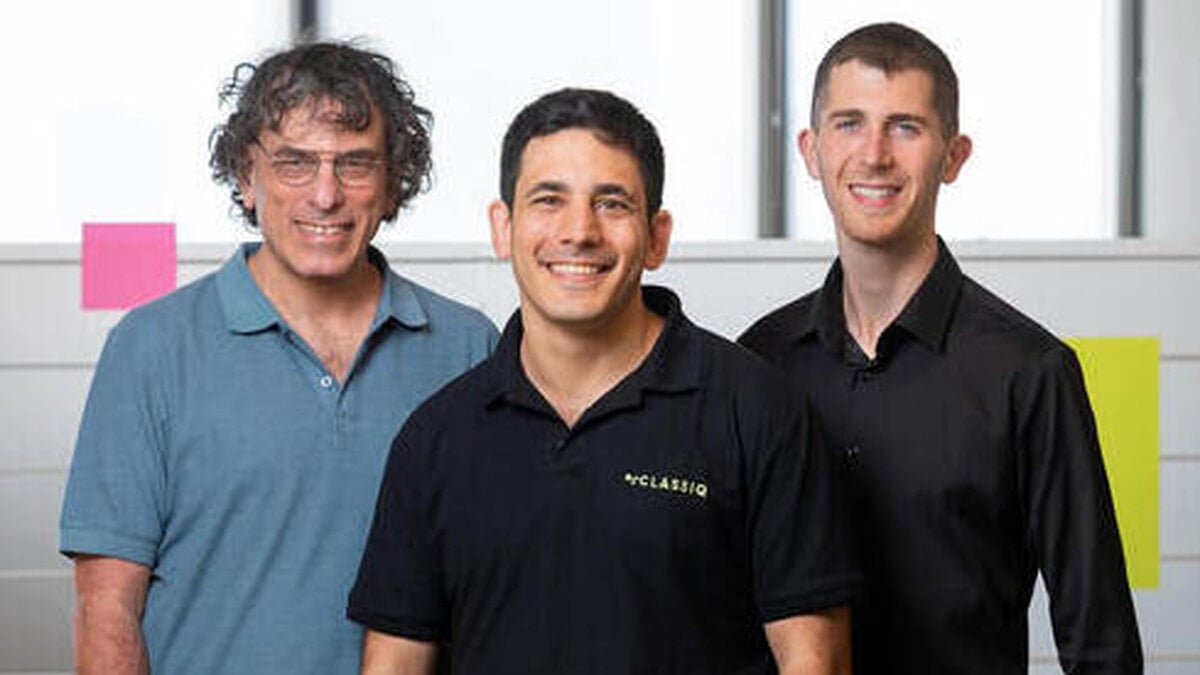
Intel’s $2.3 billion deal for Classiq would set a record for a quantum computing acquisition. The Israeli startup, which develops operating systems for quantum computers, is being acquired in a combination of cash and stock, CTech reported.
The purchase marks a major exit for Israel’s technology sector, while giving Intel a foothold in software for quantum computing. Classiq employs around 150 people, and Intel has allocated more than $100 million in retention grants to encourage employees to remain with the company.
Intel acquire Israeli quantum startup in record deal
At $2.3 billion, the Classiq transaction would exceed the previous record cited by CTech: IonQ’s acquisition of Oxford Ionics for $1 billion last year. The deal places Classiq’s founders, employees and early investors in line for substantial returns, though the article does not provide a breakdown of proceeds for investors.
Employees collectively hold 10% of Classiq’s shares, equivalent to $230 million at the acquisition price, according to CTech. Individual proceeds will vary. Intel’s retention grants are a separate allocation intended to keep employees with the company after the acquisition.
Classiq was founded six years ago by Nir Minerbi, Amir Naveh and his father, Prof. Yehuda Naveh. Minerbi is the company’s CEO, while Amir Naveh is its CPO. CTech reported the deal on October 27, citing a publication time of 03:06 WIB.
A bet on quantum software before broad commercial use
The acquisition arrives while quantum computing remains far from widespread practical use. CTech reported that there are currently only 117 quantum computers worldwide, and that they remain prohibitively expensive and largely inaccessible.
The field has recorded several significant breakthroughs over the past two years, the report said, but has not yet had a breakthrough that brings the technology into widespread use. Classiq’s software focus therefore gives Intel a route into a sector whose commercial promise has not yet translated into broad access.
For employees, the acquisition has a direct financial and workplace consequence: their collective stake is valued at $230 million at the deal price, while Intel’s retention grants offer an incentive to stay. The actual proceeds will differ among employees, and CTech did not specify individual amounts.
The deal also stands out in Intel’s history of Israeli acquisitions. The company paid approximately $1 billion for mobility company Moovit six years ago and $2 billion for Habana Labs a year earlier. It has made other acquisitions since, including Israeli company Granulate, but CTech said those deals were valued in the hundreds of millions of dollars. Intel has not acquired another Israeli company since the Granulate deal in 2022.
CTech described Israel as one of the world’s five leading countries in quantum computing, based on the number of companies in the field and the volume of private investment. The report said the Classiq exit could draw more investor attention to the country’s quantum industry.
The acquisition recalls Intel’s purchase of Mobileye, the autonomous-driving company founded by Amnon Shashua, a decade ago. CTech said that transaction helped trigger a wave of investment in Israeli companies in the sector. The publication presented the hope that Classiq’s exit could produce a similar effect, but the company’s software deal comes as quantum computing still lacks widespread practical commercial use.
Classiq has around 150 employees, and Intel has set aside more than $100 million in retention grants.
Source: calcalistech.com