China’s families support more older people than children
?s elderly dependency ratio rose to 23%, above the 22% figure for children, according to official data. The shift comes as more than 223 million people in the…
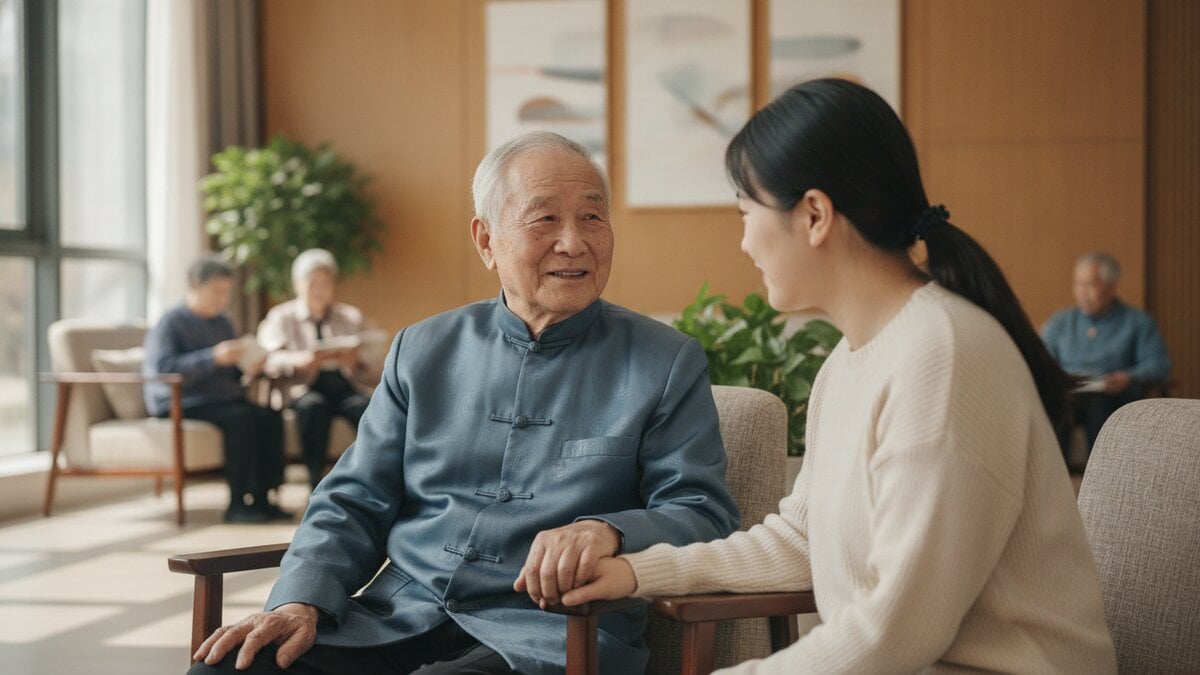
China’s elderly dependency ratio climbed to 23% last year, overtaking the 22% share for children and meaning china's families supporting old people now outnumber those supporting children. The government’s latest figures mark a demographic shift with implications for pensions, healthcare and the country’s shrinking workforce.
China has more than 223 million people aged 65 and above, nearly 16% of its population, according to data from the National Bureau of Statistics. About 213 million children are aged 14 and under.
Rising pressure on pensions and care
The dependency ratio compares dependent age groups with the working-age population. Analysts watch the measure for clues about how a shrinking workforce could affect China’s economy and global growth.
The rise in the elderly share could put added strain on pension, healthcare and long-term care systems. It may also shift public spending away from families and schools toward pensions and healthcare, said Stuart Gietel-Basten, a professor at The Hong Kong University of Science and Technology.
China has been preparing for an ageing population while encouraging younger generations to marry and have more children. But birth rates have reached historic lows despite Beijing easing limits on family size.
Mu Zheng, a sociology lecturer at the National University of Singapore, said the demographic shift could constrain China’s economic growth and people’s spending power. The change comes as fewer younger people are available to support a growing number of older relatives.
Rapid urbanisation and the effects of the one-child policy, in place from 1980 to the end of 2015, have contributed to the ageing population. The Chinese government estimates the policy prevented about 400 million births, though that estimate has been contested.
Older consumers and public support
Rising care needs are not the only economic effect. The Global Times said older people entering retirement, many born between the 1950s and the 1970s, generally have higher incomes, greater purchasing power and better health than previous generations. That could support the so-called silver economy, which serves older consumers.
China included further support for older people in its five-year economic blueprint announced earlier this year. Official figures show more than 53 million elderly people were receiving senior citizen allowances and subsidies by the end of 2025.
Some experts caution that the dependency ratio can present older people too narrowly as dependants. Gietel-Basten said the way the figures are used risks “taking agency away” from older people.
The latest figures show the elderly dependency ratio at 23%, against 22% for children.
Source: bbc.co.uk