CREA Study Links Indonesia Haze to 5,200 Deaths in Two Months
A study says prolonged exposure to smoke from forest and peatland fires was responsible for at least 5,200 deaths in Indonesia in August and September…
JAKARTA — A study released Thursday says prolonged exposure to toxic smoke from forest and peatland fires caused at least 5,200 deaths in Indonesia during August and September. The findings point to a severe public-health toll, with people in Borneo and Sumatra suffering the most.
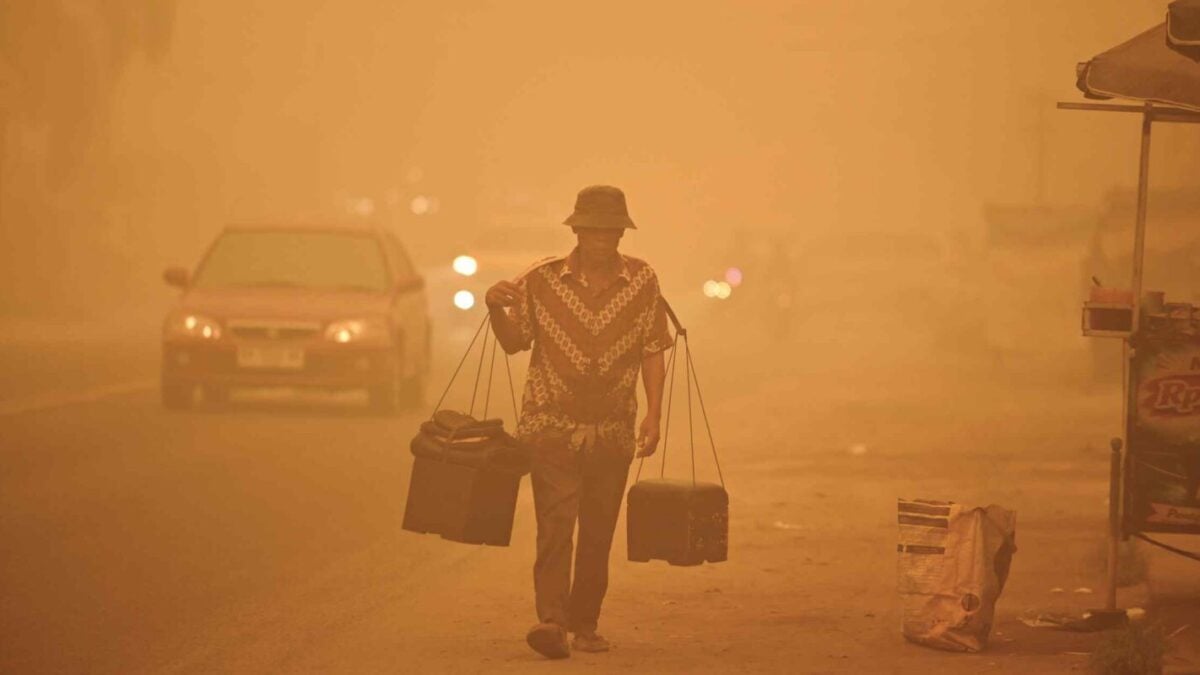
The research group CREA reported that Central Kalimantan had the highest mortality risk. In Palangkaraya, the provincial capital, a street vendor was photographed working amid thick wildfire haze on Oct. 24, while fine particulate matter in the air residents were breathing exceeded the World Health Organization’s threshold by more than 20 times, according to the report.
The study’s findings connect the indonesia fires haze cause with prolonged exposure to polluted air, rather than only the immediate effects of flames. Smoke from forest and peatland fires can affect people far from the burning areas, and the reported exposure levels in Palangkaraya show how intense the haze had become for residents.
Indonesia fires haze cause and regional exposure
CREA’s assessment places the greatest mortality risk in Central Kalimantan and identifies Borneo and Sumatra as the areas where people suffered most. The report links the deaths to exposure in August and September, giving the figures a defined period rather than presenting them as an annual estimate.
The World Health Organization threshold provides a point of comparison for the particulate pollution recorded in Palangkaraya. The reported level was more than 20 times that threshold. Fine particulate matter is the form of air pollution highlighted in the report, alongside the prolonged exposure to toxic smoke associated with the deaths.
That distinction matters for communities living with haze: smoke can linger as people continue daily activities, including work outdoors. The image of a street vendor amid thick haze illustrates that exposure was part of ordinary life in the affected city, while the study’s mortality estimate describes a much wider health consequence.
The findings also put the regional impact into sharper focus. People in Borneo and Sumatra bore the greatest reported burden, and Central Kalimantan recorded the highest mortality risk, according to CREA. The study was released on Thursday.
In Palangkaraya, particulate matter in the air residents breathed exceeded the World Health Organization’s threshold by more than 20 times.
Source: asia.nikkei.com