Poland Tribunal Orders Trigger Coup Claims, EU Intervention Debate
Disputed orders at Poland’s Constitutional Tribunal triggered coup accusations against Prime Minister Donald Tusk’s government. The EU can pursue legal…
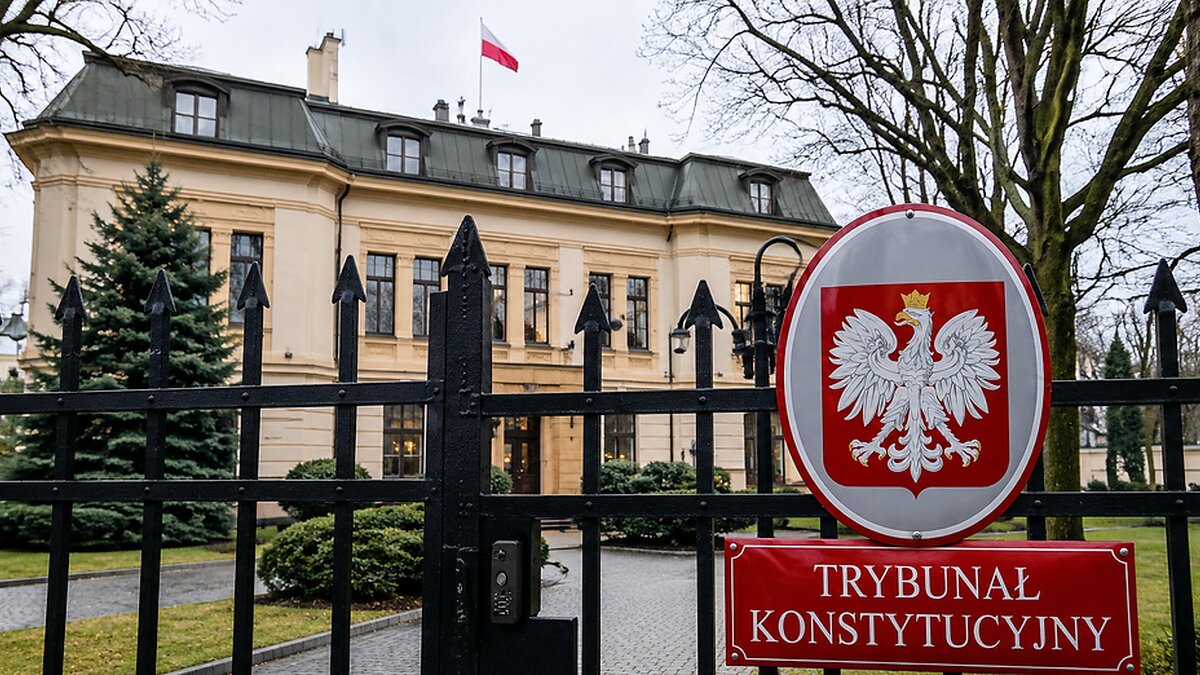
Poland coup claims followed disputed orders announced on October 30, 2026, temporarily interrupting the judicial duties of Constitutional Tribunal President Bogdan Święczkowski and Vice-President Bartłomiej Sochański. The clash has raised questions about the limits of European Union intervention in Poland’s constitutional crisis.
Opposition politicians accused Prime Minister Donald Tusk’s government of trying to seize control of a constitutional institution. Tusk defended decisive action as necessary to restore the rule of law. No judicial determination has established that a coup occurred, and the legality of the orders under Polish law remains contested.
Police officers were deployed at the Tribunal’s headquarters in Warsaw on Friday, October 30, amid protests and a confrontation over its leadership. Later that afternoon, the Tribunal’s website announced the immediate interruption of the two officials’ duties.
The announcement appeared at approximately 6 p.m. Polish local time. Information distributed to the Polish Press Agency by judges elected during the current parliamentary term identified Anna Korwin-Piotrowska as the person issuing the orders and claiming authority to direct the Tribunal’s administration. Her judicial status and the asserted power to interrupt the officials’ duties were disputed.
What can the EU do over Poland coup claims?
The EU can respond to violations of judicial independence through established legal mechanisms, but it cannot take general control of Poland’s Constitutional Tribunal or appoint its leadership.
Article 19(1) of the Treaty on European Union sets obligations concerning effective judicial protection. Article 258 of the Treaty on the Functioning of the European Union allows infringement proceedings, while Article 7 of the Treaty on European Union provides procedures for addressing serious threats to the bloc’s foundational values.
Those provisions offer routes for EU action, not authority to directly run the Tribunal. The distinction matters as the dispute centers on who can exercise power within a national constitutional institution, and whether the measures taken against its leaders were lawful.
The reported grounds for the orders included claims that the Tribunal’s leadership obstructed the General Assembly, prevented newly elected judges from performing their duties and improperly allocated cases. Those claims were put forward to support the measures; they were not findings from completed disciplinary proceedings.
The orders reportedly relied on Article 130 of the Law on the Organization of Ordinary Courts, which provides an urgent procedure for temporarily interrupting a judge’s official functions. They required Święczkowski and Sochański to suspend their judicial duties for one month, and also purported to interrupt responsibilities linked to their positions as president and vice-president.
A longer dispute over judicial appointments
The latest confrontation follows a decade of disputes over judicial appointments, presidential powers and the Tribunal’s composition. Its previous leadership rejected the entitlement of several judges elected by the Sejm, Poland’s lower house of Parliament, to perform judicial functions.
Those judges said they had been lawfully elected and argued that the president’s refusal to receive their oaths could not indefinitely keep them from taking office. The competing positions have turned the Tribunal’s leadership and membership into the focus of a broader institutional conflict.
European courts have issued decisions concerning the Tribunal and judicial independence, but those rulings do not settle the legality of the measures announced on October 30 under Polish constitutional law. The Court of Justice of the European Union found serious violations involving the institution in December 2025. The European Court of Human Rights issued interim measures in May 2026 concerning four judges prevented from exercising their duties.
That leaves the immediate dispute unresolved: the EU has legal procedures to address threats to judicial independence, while the authority to direct the Tribunal remains contested within Poland. No court has determined that a coup took place.