Australia’s government promise net savings remains uncertain
Finance Minister Katy Gallagher says Australia’s December budget update cannot yet be guaranteed to deliver net savings, as officials continue reviewing…
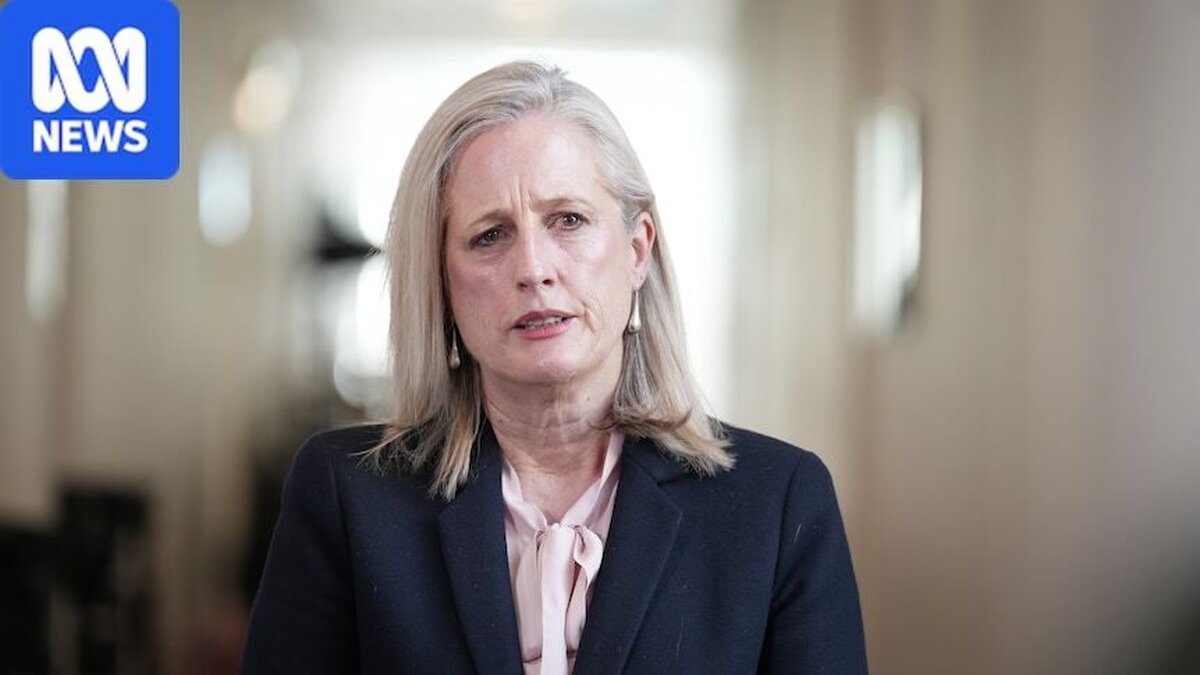
Australia’s Finance Minister Katy Gallagher said on Sunday the government could not promise net savings in its December budget update, as inflation and other pressures weigh on public finances. The review is still underway, leaving open whether savings will exceed new spending.
The mid-year economic and fiscal outlook is due in December. Gallagher said decisions remain subject to the government’s spending review, even as pressure grows to rein in expenditure and Australians face the prospect of another interest rate rise.
“I can't, I don't want to pre-empt the [Expenditure Review Committee] process. We will go through that ... but there is enormous effort being placed, particularly by Jim and myself on the savings side,” Gallagher said.
The uncertainty matters because government spending is part of the debate over how to ease inflation. With borrowing costs also adding to budget pressures, the update will show whether the government can curb expenditure while funding areas it says need support.
Why is the government not promising net savings?
Gallagher said the government had not completed the decisions needed to make that commitment. She said officials were working to identify savings, but would not announce an overall result before the review process finished.
“We are doing a lot of work on the savings side but I can’t get ahead of decisions that haven’t been made yet,” the finance minister said.
Treasurer Jim Chalmers also declined on Wednesday to commit to net savings in the mid-year update. His position followed an inflation reading of 4.3 per cent over the year to September, which raised expectations of another rate increase when the Reserve Bank meets on Tuesday.
The Reserve Bank’s chief economist Sarah Hunter said last week that federal and state government spending was “definitely” contributing to demand pressures. Hunter also said advising governments on spending was not the central bank’s role.
Budget pressure spans borrowing and essential services
Gallagher pointed to growing costs in health and aged care. She said spending in those areas was needed to support a Medicare system she described as “in freefall” and to clear processing backlogs for veterans.
“If you go back to … the Howard era, you know, they were not dealing with AUKUS, they were not dealing with aged care,” Gallagher said. “They weren't dealing with Medicare falling over there, all of these pressures that are coming. So there has to be some acknowledgement of that. We are living in a different world.”
She rejected suggestions that the search for savings was creating tension in cabinet, saying robust debate among ministers was healthy. Gallagher also said previous budgets and mid-year updates had delivered overall improvements, and that recent policy decisions had found more savings than new spending.
Borrowing costs are another constraint. Chalmers has warned that higher long-term global interest-rate expectations, reflected in bond pricing, would add billions of dollars to the budget.
The government says its budget is helping to tackle inflation, while the Reserve Bank’s chief economist has identified public spending as one contributor to continuing price pressure. Prime Minister Anthony Albanese has said the central bank has a single “blunt instrument” in the fight against inflation, leaving other measures to reduce demand with federal and state governments.
Opposition Leader Angus Taylor said the government could act to reduce pressure on rates and prices. “The government can commit tomorrow to take pressure off interest rates and inflation, that would send a strong signal to the Reserve Bank [that] they don't need to raise,” Taylor said. “But they won't do it.”