Godzilla Destroy All Monsters revives a 2002 kaiju brawler
Godzilla: Destroy All Monsters Melee Remastered brings back Pipeworks’ monster fighter, built around 12 kaiju and battles in cities and iconic Godzilla…
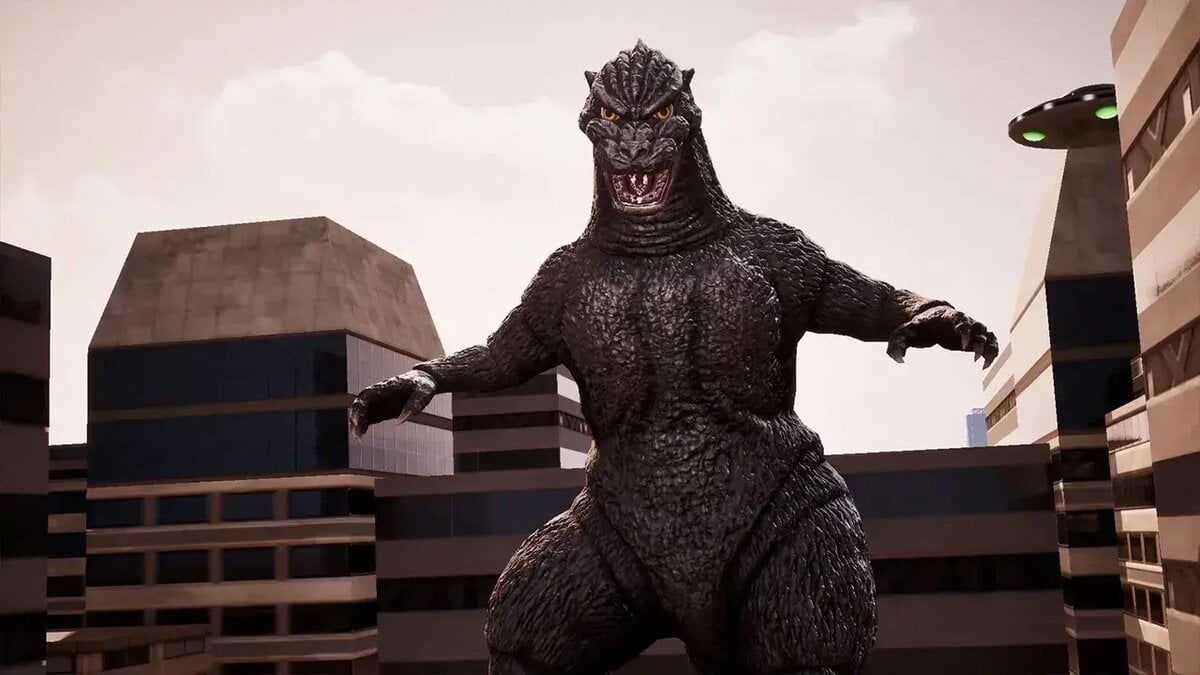
Godzilla destroy all monsters returns as Godzilla: Destroy All Monsters Melee Remastered, bringing Pipeworks’ monster brawler back with 12 playable kaiju and battles across cities and iconic Godzilla locations. The remaster updates the game’s presentation but keeps the rubber-suit wrestling style at its core.
Players choose a monster from Godzilla’s history through Godzilla 2000, then fight amid environmental hazards and destructible buildings. The goal is simple: be the last kaiju standing. The action also includes military forces that target the monsters as they tear through the battlefield.
What has changed in the remaster?
The updated release is not just a resolution bump, according to its review. Its visuals have been refreshed, while the monsters retain the look and feel of performers in rubber suits throwing each other around. That distinction matters: the game draws on the films’ physical, deliberately theatrical monster fights rather than shifting toward a more realistic style.
The audio supports that approach. Buildings collapse, beam attacks carry force, and radio calls from military units indicate where their fire will concentrate. The soundtrack aims for the scale of a Godzilla film, while the announcer adds energy to the battles.
It keeps the old-school feel.
Pipeworks, the original developer, is still leading the project. The game first appeared in 2002, and its return revisits a licensed fighter built around a straightforward premise: giant monsters battling in familiar settings, with cities caught in the middle.
Which single-player modes are included?
The game offers several options beyond its central monster battles. Adventure mode gives the fights a loose story: an alien race called the Vortaak tries to take over Earth by controlling the kaiju, but the chosen monster breaks free and must defeat the others.
Destruction mode challenges players to wreck a city within a time limit and chase a score. Survival offers a run of fights, while a tougher version of Adventure pits players against stronger monsters with improved stats. Those stronger stats come from experience earned by playing certain modes.
The roster includes 12 monsters drawn from Godzilla’s history through Godzilla 2000. Players can take them to real-world cities or locations associated with the franchise, where hazards and falling buildings shape each fight. That variety gives the remaster more than a single-player story to revisit, while the time-limited destruction mode offers a different objective from simply defeating opponents.
For players, the clearest change is access to a refreshed version of a game whose appeal rests on its specific blend of arena fighting, city destruction and film-inspired monster performances. The remaster preserves that identity rather than replacing it with a conventional modern fighter. Its modes also let players choose between a story-led campaign, score chasing, tougher battles and survival.
Adventure, Destruction and Survival are among the available single-player modes, and experience earned in certain modes improves monsters’ stats.