Jewellery sold as sterling silver found with toxic metals
Testing of 25 pieces advertised as sterling silver on online marketplaces found eight with cadmium above the legal limit, while only two could be classified as…
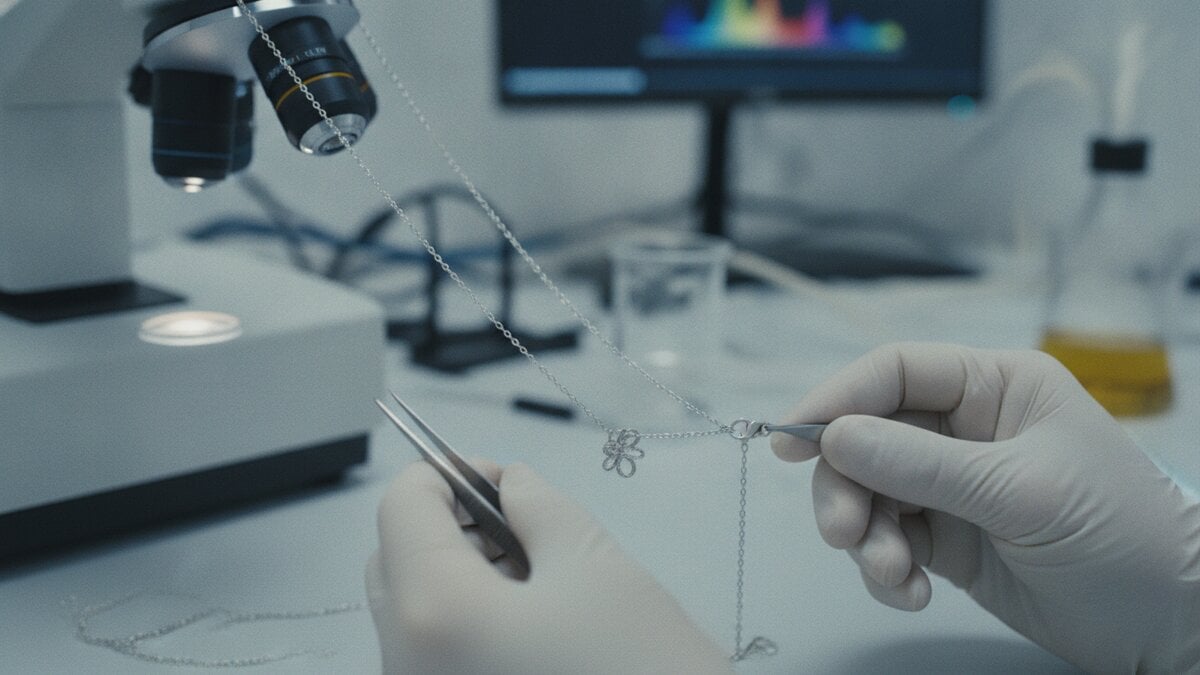
Jewellery sold sterling silver on Amazon, eBay, Temu, Etsy and OnBuy included eight items with illegal levels of cadmium, testing of 25 pieces found. Only two items could be classified as sterling silver.
The analysis by Sheffield Assay Office also found that a necklace bought by Meranda, 34, on Etsy contained a section with just 8.9% silver, despite being advertised as handmade sterling silver and marked 925. The findings raise concerns for shoppers relying on online listings and hallmarks to judge what jewellery is made of.
What did testing find in jewellery sold as sterling silver?
Eight of the 25 items contained cadmium above the legal limit of 0.01%. Three were bought from Amazon, three from Temu, and one each from OnBuy and Etsy. Some pieces contained up to 10% cadmium.
Sophie Langley, who led the analysis, described the amount in some items as “absolutely massive, relative to the limits we're adhering to”. Cadmium is a carcinogen associated particularly with lung cancer, said Rob Chilcott, a retired professor of toxicology.
Cadmium can pose a risk if it is inhaled or swallowed. Chilcott said that swallowing jewellery containing the chemical would be “really bad news”. The risk could arise, for example, if an earring fell into food and was eaten.
The findings matter because shoppers may not be able to assess a product’s metal content from its appearance or listing. Meranda said her necklace looked convincing at first. “It was very shiny. It looked legit,” she said. “I did not think it wasn't sterling silver.”
How did the necklace affect its buyer?
Meranda said her neck became irritated after she wore the necklace for a few days. Preliminary testing found traces of nickel, another chemical that can irritate skin. One part of the chain had a nickel concentration as high as 11%.
Jewellery has strict legal limits on its nickel content, and sterling silver does not typically contain nickel, though some cheaper items do. Meranda said she noticed the necklace’s colour looked wrong when she took it off.
The necklace carried a 925 hallmark. Genuine sterling silver must contain at least 92.5% silver, but the testing found that part of Meranda’s chain contained only 8.9%. Selling fake sterling silver breaches the Hallmarking Act and can carry fines or imprisonment, Langley said.
What action did the marketplaces take?
Amazon, eBay, Temu and OnBuy said misleading listings were prohibited and that they had removed jewellery identified by the investigation. Etsy did not respond.
Amazon said customers with concerns should contact it for support and later issued recall notices for products identified as unsafe. eBay also directed concerned customers to its support service. Temu said it had arranged testing of similar products to identify potential risks.
OnBuy said it had offered refunds to affected customers and started a recall of the item identified as containing cadmium. Meranda contacted the Etsy seller about the £15 necklace and received a full refund after speaking to the consumer programme.