Global Memory Chip Crisis 2026 Puts Smartphone Prices Up
The global memory chip crisis is pushing smartphone prices higher in 2026, making new phones pricier and secondhand options more attractive.
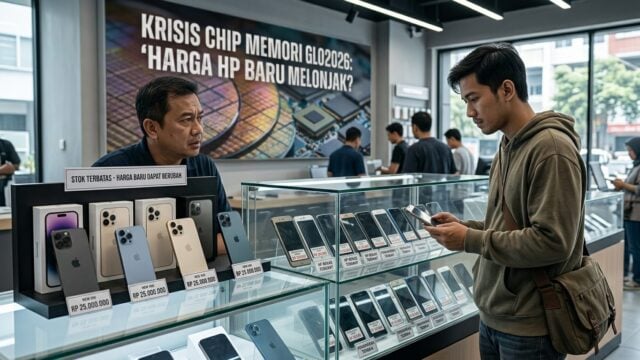
JOURNALARTA.COM, JAKARTA – The global memory chip crisis is making it harder to buy a new smartphone with solid specs at a fair price. In mid-2026, shortages of key components are pushing phone makers to raise prices, and the pressure is starting to reach consumers.
Global market research firms such as IDC and Counterpoint Research estimate that new smartphone shipments could contract by as much as 13 to 15 percent this year because production costs are climbing. For buyers trying to keep spending down, secondhand and refurbished phones are now looking like the most realistic option.
Why Memory Chip Prices Are Spiking
The main trigger is the global surge in artificial intelligence adoption. Major memory manufacturers around the world have shifted more of their production capacity toward High-Bandwidth Memory (HBM), the kind of memory needed for AI-driven data centers.
That shift has tightened supply of conventional memory for consumer electronics such as laptops, gaming consoles, and smartphones. Gartner said the combined price of DRAM and SSDs could rise by as much as 130 percent by the end of 2026.
"Memory costs now account for more than 30 percent of the total component production cost for certain smartphone models," a gadget market analyst said, speaking on Sunday (27/6).
Nothing CEO Carl Pei has also warned that the cost of RAM and storage procurement has now climbed above other vital parts, including processors and display panels.
What It Means for Consumers: Cheap Phones Are Getting Scarcer
The impact is hitting the entry-level segment hardest, especially phones priced below Rp2 million to Rp3 million. Because profit margins are thin, manufacturers can no longer absorb higher component costs without passing them on to buyers.
In Indonesia, several popular phone lines across the low-end and midrange segments have already risen by around Rp100,000 to Rp500,000 per unit since the start of the year. Some brands, meanwhile, are choosing to downgrade new devices in order to keep sticker prices competitive.
Analysts expect the squeeze to last for a while. The situation is likely to continue until at least mid-2027, since building new chip fabrication plants takes years before they can start operating.
Used and Refurbished Phones Become the Budget Option
With the era of "premium specs at low prices" fading in the new-phone market, more buyers are turning to secondhand devices. In 2026, buying a high-quality used smartphone or a warranty-backed refurbished unit has become a smart money-saving move.
Here are a few reasons why buying a used phone makes sense right now:
1. Premium specs at a rational price: You can get a flagship smartphone from one or two years ago with fast performance, top-tier cameras, and premium materials for about the same price as a current entry-level new phone.
2. Longer software support: Major brands such as Samsung now promise up to six OS upgrades and six years of security updates for some product lines. That makes a phone bought secondhand last year still safe to use for the long term.
3. A safer used-phone market: Many marketplaces and physical stores now offer functional warranties and stricter inspection checks, reducing the risk of scams for first-time buyers.
What Buyers Should Watch Before Switching
A used phone can save money, but buyers still need to check the basics. Battery health matters. So does screen condition, network lock status, and whether the device still receives security updates.
Refurbished units can be a safer bet than random secondhand listings, especially if the seller offers a written warranty and clear return terms. For many households, that difference matters more than a flashy spec sheet.
The market is changing fast. If chip shortages continue to bite through 2026, the smartest purchase may not be the newest phone on the shelf, but the one that still gives you the best value for the next few years.