Stock market today: Oil surge, weak data weigh on trading
Stock market today turns volatile as consumer confidence slips, oil tops $90 a barrel and investors reassess Federal Reserve policy and sector risks.

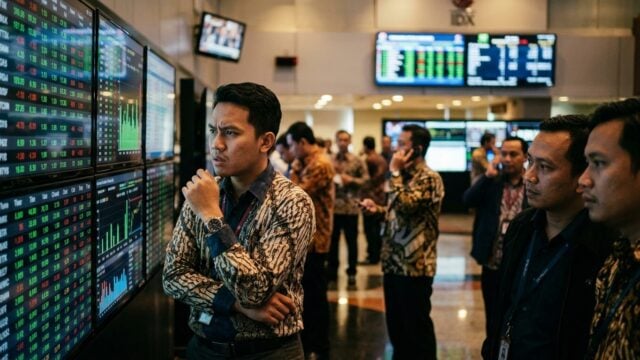
Stock market today trading was choppy, with investors and analysts reacting differently as major indexes opened the morning on mixed footing amid fresh economic data and widening geopolitical tensions.
Key developments
The Dow Jones Industrial Average opened slightly lower, while the S&P 500 and Nasdaq Composite edged higher, signaling cautious optimism among market participants.
Fresh economic data showed consumer confidence is slipping. The latest reading from the Conference Board found its monthly index fell to 98.7 in October from 103.0 in September, pointing to growing concern among consumers about current economic conditions.
The weaker sentiment could hit retail and consumer-facing companies hard, since they rely heavily on household spending.
Analysts said that if the drop in consumer confidence continues, household spending could be squeezed, eventually slowing fourth-quarter economic growth.
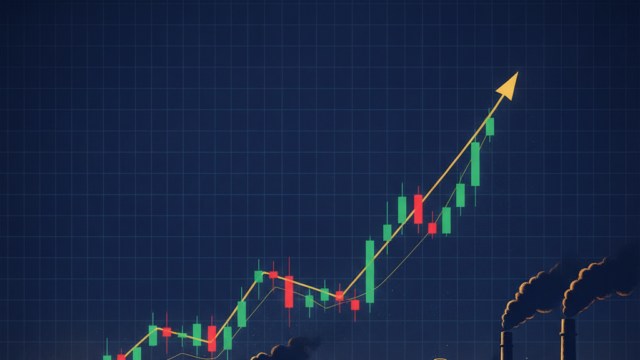
Beyond consumer sentiment, higher crude prices also moved markets. West Texas Intermediate (WTI) crude climbed above $90 a barrel amid supply concerns and geopolitical tensions in major oil-producing regions.
The jump has raised fears of higher inflation, which could push the Federal Reserve to revisit its monetary policy stance.
On the sector side, energy stocks stood out. The Energy Select Sector SPDR Fund (XLE) rose 3% in early trading, reflecting bullish investor sentiment toward oil and gas names.
Technology stocks, meanwhile, came under pressure. The sector, long a growth leader, was dragged lower by expectations that higher interest rates could weigh on future earnings.
Technology giants including Apple and Google parent Alphabet saw their shares decline as investors adjusted expectations in a tougher economic backdrop.
Analysts are now paying closer attention to technology valuations, which benefited for years from an extended period of low interest rates.
Context
With borrowing costs rising, many believe growth at these companies will slow, prompting a reassessment of their stock prices.
Financial stocks were not spared from the volatility. The Financial Select Sector SPDR Fund (XLF) showed signs of weakness amid recession worries. Bank shares took the heaviest hit, with major institutions such as JPMorgan Chase and Bank of America facing selling pressure.
A flattening yield curve is being viewed as a sign of a possible economic slowdown, one that could hurt banks' profitability over the next few quarters.
In global markets, a similar reaction played out. In Asia, the Nikkei 225 closed down 1.5% after investors digested data pointing to a slowdown in Japan's manufacturing sector.
Hong Kong's Hang Seng Index also ended 2.3% lower amid concerns over China's economic recovery. In Europe, trading was mixed: the FTSE 100 and DAX posted small gains, while France's CAC 40 slipped.
The divergence highlighted the different economic conditions and investor sentiment across regions.
As the day progresses, market watchers are keeping a close eye on the Federal Reserve's next policy steps, especially its commitment to bringing inflation under control.
Impact and what comes next
With earnings reports from several major companies due next week, investors are being told to brace for more volatility.
Analysts are advising market participants to stay alert and consider diversifying portfolios to help reduce risk from economic uncertainty.
The market's moves today show how difficult it is to navigate a shifting economic landscape.
With signals coming from consumer confidence, higher oil prices and geopolitical tensions, investors are facing a challenging environment.
Investment disclaimer: This article is for informational purposes only and is not financial advice. Investors should do their own research and consider their personal financial situation before making investment decisions.
Disclaimer: This article does not constitute investment advice. Readers are encouraged to conduct independent research before making financial decisions.