USD to IDR Today: What Moves the Rupiah and How to Read Indonesia Currency Signals
USD to IDR today explained through rupiah drivers, Bank Indonesia signals and currency-market context.
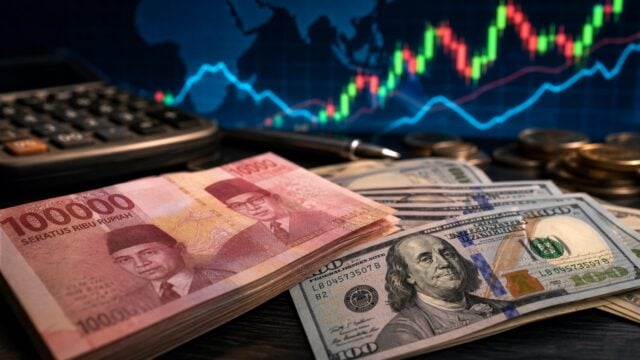
The rupiah often appears as a simple exchange-rate number: how many rupiah one US dollar can buy. Behind that number is a wider story about capital flows, interest rates, commodity prices, trade balance and global risk sentiment.
A USD-IDR converter is useful, but the context matters. It helps readers understand why the number moves, not only what the number is.
Why the US Dollar Matters
The US dollar is the main currency of global trade and investment. When the dollar strengthens because of rate expectations or safe-haven demand, emerging-market currencies can face pressure, including the Indonesian rupiah.
Still, the rupiah is not driven by the dollar alone. Domestic policy, inflation, growth and foreign flows also shape the market.
Bank Indonesia Signals
Bank Indonesia uses several tools to support currency stability. Interest-rate signals, market operations and policy communication can all influence expectations.
For official information, readers can follow Bank Indonesia. In market terms, it is also important to watch bonds, equities, commodities and the broader US dollar trend.
How to Use a USD-IDR Converter
A converter is practical for quick decisions: import costs, travel, overseas services or investment estimates. For financial decisions, treat the number as a starting point and check the trend, bank spread and timing.
A weaker rupiah can raise the cost of imported goods. A stronger rupiah can reduce some costs. For investors, currency moves also change the local value of global assets.
Deeper Analysis: The Rupiah Does Not Move Alone
The rupiah is shaped by both global and domestic forces. Globally, the US dollar, Treasury yields, oil prices and risk appetite influence capital flows. Domestically, inflation, Bank Indonesia policy, trade balance and investor confidence act as anchors.
| Rupiah Condition | Who Is Affected | Practical Impact |
|---|---|---|
| Weaker rupiah | Importers, overseas buyers, students abroad | Higher costs and margin pressure. |
| Stronger rupiah | Importers and USD buyers | Lower costs, but exporters may lose some advantage. |
| Volatile rupiah | Investors and businesses | Hedging and payment timing become more important. |
A USD/IDR converter is a starting point. Bank rates, money changers, cards and payment platforms may use different spreads.