US Sanctions Fuel-Smuggling Ring Tied to CJNG
The U.S. Treasury has sanctioned two Mexican nationals and nine entities accused of involvement in a cross-border fuel-smuggling network linked to the CJNG…
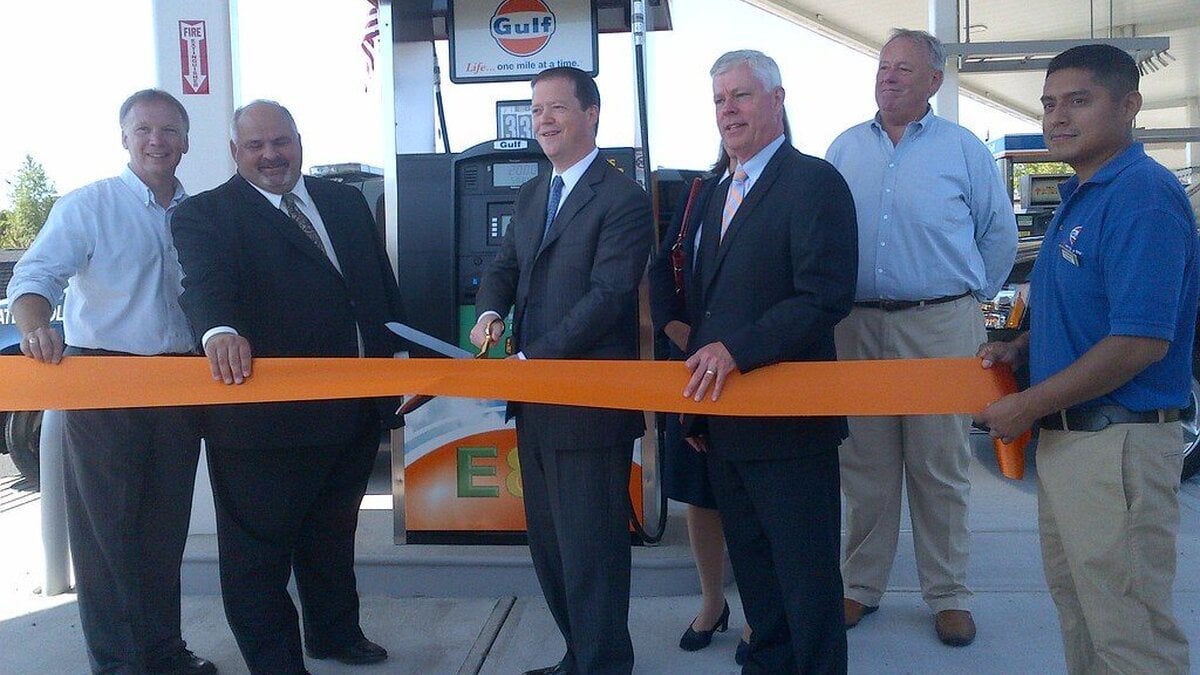
MEXICO CITY — US sanctions now target two Mexican nationals and nine entities allegedly linked to a network smuggling fuel from the United States into Mexico. The move was announced by the U.S. Treasury Department on Tuesday, June 30, and immediately highlighted an illicit business that has grown in the shadows of cross-border trade.
The scheme has had a major impact. Smuggled fuel and stolen crude oil are said to have become the second-largest source of income for Mexican cartels after drugs. The money flowing through this business reaches hundreds of millions of dollars each year, according to the U.S. government. For residents, the meaning is simple: the energy market becomes more fragile, tax revenue leaks away, and law enforcement faces a more organized criminal pipeline.
US sanctions spotlight fuel network and CJNG
In its statement, the U.S. Treasury said the network is linked to the Jalisco New Generation Cartel, or CJNG. The U.S. government said the network moves fuel from the United States to Mexico without paying hefty import taxes.
Scott Bessent, the U.S. Treasury Secretary, said the action today shows how cartels in Mexico continue to expand their funding sources beyond drug trafficking. “Today’s action highlights the extent to which Mexican cartels have expanded beyond traditional drug trafficking to generate revenue for their criminal organizations, which continue to traffic deadly narcotics that kill Americans,” Bessent said.
The U.S. government also said the scheme operates through customs-document fraud, bribery of officials, and the use of shell companies in Mexico and the United States. The chain of movement is layered. Hard to trace. And that is the core problem.
How the scheme works and the tax loophole
Mexico levies an IEPS tax on various goods, including imported diesel and gasoline. On paper, the mechanism is supposed to help the government collect revenue from certain goods. In practice, criminal networks exploit the loopholes.
According to the U.S. Treasury, cartels and their networks can evade taxes by misclassifying customs documents. They are also alleged to bribe government officials. Once fuel enters Mexico, the product is sold at cartel-controlled gas stations and unregulated roadside sales points, with high profit margins.
The U.S. also said companies in its own territory help facilitate the flow. They buy fuel through ties to major refineries and domestic distributors, then divert it through networks of shell companies in both countries. After the money is collected, the proceeds are disguised through purchases of luxury goods, property, and investment assets.
Names hit by sanctions
Among those sanctioned is Oscar Juraidini and seven companies said to be owned or controlled by him. The entities include Centro Cambiario La Peseta, OJ Living Trust, RK Real King, Soma Transporte y Servicios, Ogui Fletes, OF Transportes, and the UK-based company Cucumber Sweet Waves. All were designated for acting on behalf of CJNG.
The U.S. also imposed sanctions on J. Refugio Ruiz and his two logistics companies, Jomadi Logistics & Cargo and Ahavat Logistics Solution, for providing material support to the cartel.
The U.S. Treasury did not immediately detail the exact role of each entity. But the pattern it described is similar: logistics, distribution, diversion of goods, and laundering of criminal proceeds. This combination makes cross-border enforcement increasingly difficult.
Jomadi Logistics & Cargo, Soma Transporte y Servicios, OF Transportes, and Centro Cambiario La Peseta did not immediately respond to requests for comment. Juraidini, Ruiz, and several other companies also could not be reached because no online presence or sufficient contact information was found, Reuters said.
Why this case matters
The case matters beyond Mexico. Cross-border fuel smuggling affects prices, taxes, supply-chain security, and organized crime. When cartels can make money from fuel, they no longer depend on a single funding source.
That puts more pressure on authorities. Cartels have reserve funds to bribe, buy assets, and sustain their networks. At the same time, governments lose potential revenue from taxes and import duties. Consumers can also be affected through an unhealthy fuel market and unfair competition.
For banks and financial institutions, the U.S. also issued new guidance so they can identify warning signs in cross-border fuel trade. The step signals that the U.S. government wants to pressure not only actors on the ground, but also the flow of money that supports their operations.
As Bessent said, the fight against cartels is no longer only about drugs. It is about money. It is about logistics. It is about who can control the shadow economy at the border. “Today’s action highlights the extent to which Mexican cartels have expanded beyond traditional drug trafficking,” he said.