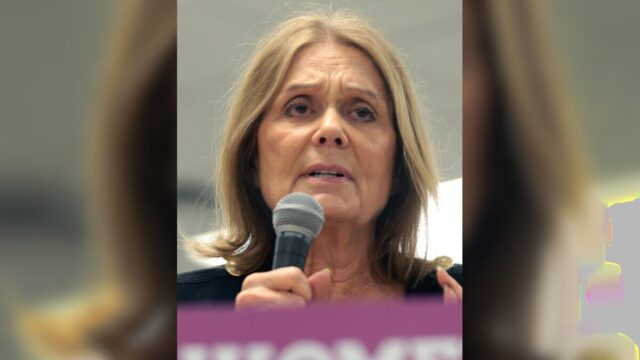
Venezuela Earthquake Survivors Boo Delcy Rodríguez in La Guaira
Venezuela earthquake survivors boo Delcy Rodríguez as rescue efforts lag and the death toll climbs to at least 920.
CARACAS — Venezuela earthquake survivors booed Delcy Rodríguez when she visited the disaster zone on Friday, June 26, 2026, as public anger mounted over a slow response to a quake that has killed at least 920 people. The Venezuela earthquake has left tens of thousands of others missing.
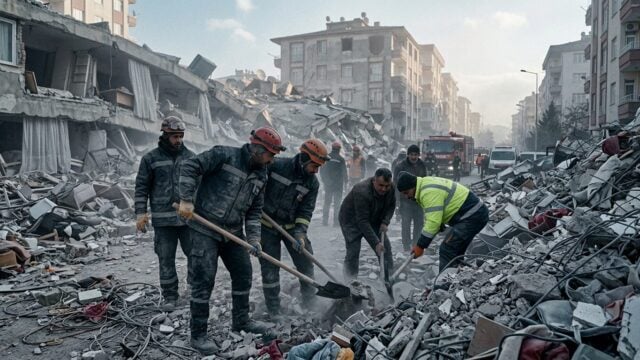
At the shattered site, residents still searching for relatives shouted from behind security lines. The loudest voices came from people who had spent days digging through rubble with bare hands, hoping to find a family member alive.
Tensions rise at the disaster site
“The government has done nothing for the people,” several residents shouted, according to AFP, in footage aired on Saturday, June 27, 2026. The words cut through a scene filled with dust, cracked concrete and the sound of improvised tools breaking apart the debris.
Rodríguez, described as Venezuela’s interim leader, arrived while frustration was already at its peak. Many families said the authorities moved too slowly. They complained that heavy equipment had not shown up, even though every minute mattered for victims believed to still be trapped under collapsed buildings.
At several points, relatives, neighbors and volunteers worked nonstop. They used small shovels, sledgehammers and even their bare hands to move dirt and concrete. The search carried on in a fragile silence. Now and then, there was only a brief shout. Then nothing.
The death toll keeps climbing
As of Friday, the death toll from the Venezuela earthquake stood at at least 920. Tens of thousands more were still missing. The numbers show the scale of the destruction across the coastal area near Caracas.
La Guaira, the coastal region near the capital, was reported to be the hardest hit. According to AFP, one building after another collapsed after two major quakes measuring 7.2 and 7.5 struck the area. The damage left many residents with little time to save anything, let alone property.
Marjosly Salazar, 40, stood among the rubble, exhausted and desperate. She was still searching for her grandson, Gael, a five-month-old baby. Her eldest daughter, 16, has already been confirmed dead in the disaster. Her voice broke as she asked for more help.
“I’m still looking for my little Gael, he is only five months old,” Salazar said. “Please, we need help here. We need machines to start lifting the support columns.”
She also said she had not seen any government officials at the site. “We have not seen a single government official here, not one,” she said. Such accounts have made the anger on the ground even harder to calm.
Why the slow response matters
The complaints were not just about officials showing up. The bigger issue was whether the government could reach victims fast enough. In an earthquake, the first hours often decide whether someone trapped under rubble lives or dies. When heavy equipment arrives late, the odds of rescue drop.
That is why residents were demanding equipment, manpower and faster coordination. They were not looking for a ceremony. They needed lifting machines, evacuation teams, lighting and safe access so the search could continue without interruption. On the ground, those needs felt urgent.
Workers and volunteers also tried to keep the site as quiet as possible while clearing debris. The aim was simple: hear any victim still calling from beneath the wreckage. It sounds basic. In a disaster like this, though, every small sound can decide everything.
On the other hand, the government began restricting access to the disaster zone. Interior Minister Diosdado Cabello announced that access to the affected area would be limited from 8 p.m. local time on Friday. The move may have been meant for security and traffic control around aid deliveries, but for victims’ families it could also feel like another barrier.
Venezuela earthquake and the pressure on власти
The scene shows how tense the relationship between citizens and government becomes when a major disaster strikes. When homes collapse and people go missing under rubble, the public judges the state on one simple thing: how fast help arrives and how clear the response is. If the answer is slow, anger can flare quickly.
In Venezuela’s case, that pressure collided with a high death toll and chaotic field conditions. Residents had to dig on their own while waiting for news that did not come. In moments like these, public trust often disappears faster than the evacuation effort can move.
For readers, the tragedy also serves as a hard reminder of what disaster readiness really means. A major earthquake leaves little room for delay. Evacuation routes, heavy equipment, emergency communication and the first response are often what separate rescue from loss.
In La Guaira and the wider Caracas area, that question now feels immediate. How many people are still alive under the rubble? And how fast can help truly reach them? As of Friday, the death toll remained at least 920, a figure that shows just how costly time can be in a disaster like this.
Quick summary: Delcy Rodríguez was booed during a visit to Venezuela’s earthquake zone. Residents protested the slow government response, while the death toll was reported at at least 920 and tens of thousands remained missing. Search efforts continued in La Guaira and around Caracas.
Quick FAQ: What are residents most upset about? Slow deployment of heavy equipment and the lack of official presence. Where was the worst damage? In the coastal La Guaira area near Caracas. Why is the situation still urgent? Because 7.2 and 7.5 magnitude quakes brought down many buildings at once.
Photo: Venezuelan earthquake survivors search rubble in La Guaira near Caracas.