Digital Platform Success for Huynh Thi Le Quyen in Vietnam
Digital platform success helps Huynh Thi Le Quyen expand her flower business, reach buyers beyond her village, and grow steady income.
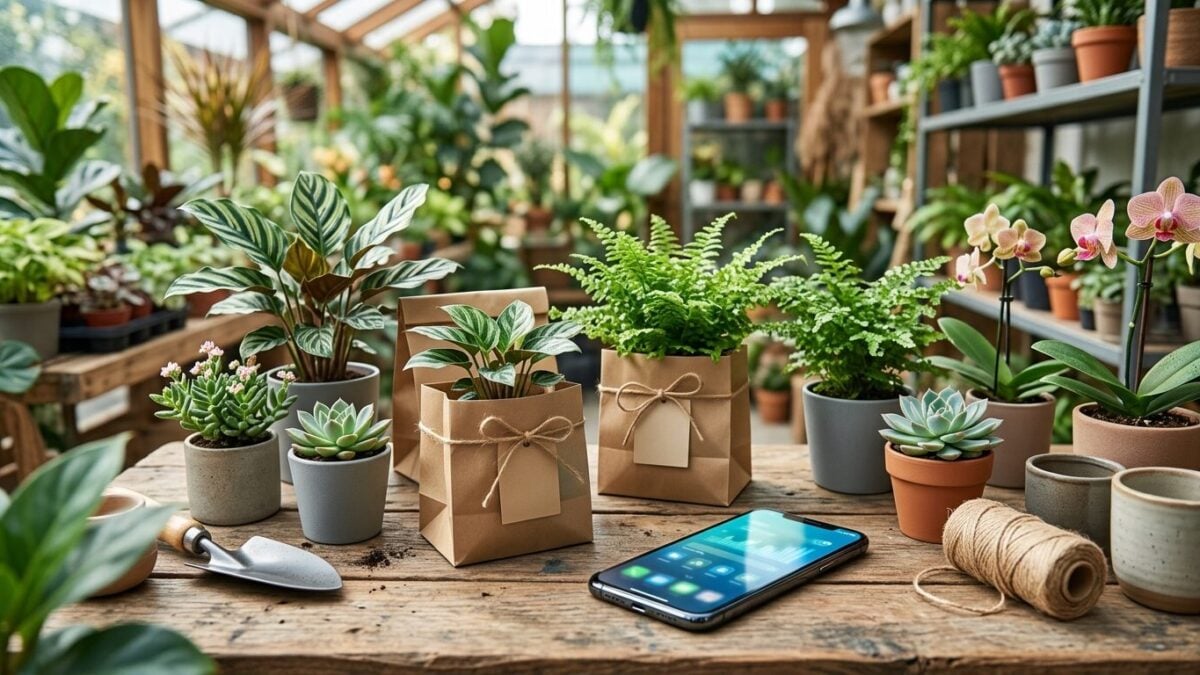
JAKARTA — Digital Platform Success for Huynh Thi Le Quyen in Vietnam began with a few pots of portulaca outside her home in Long Hung Hamlet. What started as a hobby for a former tailor turned into an online flower business that now reaches buyers across Vietnam.
The shift matters because it shows how a small household product can move beyond a village market when a family learns to use e-commerce. Quyen now runs a Shopee store called Happy Farm 2019, and local reporting says she earns about 12 million Vietnamese dong a month from the business.
From tailor to online seller
Quyen did not enter the plant business with a formal digital strategy. She used to work as a tailor. The change came from the front yard, where she planted portulaca to decorate the house and relax after work.
Neighbors noticed the bright flowers. Then they began asking for seedlings. After that, some asked to buy the plants outright. Small demand turned into a signal. A market was forming, right there at home.
“At first, I only planted portulaca flowers to admire them, but then I saw many people asking to buy them, so I started propagating them,” Quyen said, as quoted by Bao Tay Ninh.
Her family then helped push the business online. Her children posted the plants on Shopee. Orders followed from many places, not just nearby buyers. That was the turning point. The home garden no longer depended only on walk-up customers or word of mouth.
“The children at home tried posting the products on Shopee for sale. Unexpectedly, customers from many places placed orders, so I boldly expanded the planting area,” Quyen said.
Why the platform model works
The appeal of the platform model is simple. It gives small sellers faster feedback. If a product gets attention online, the seller can expand production. If demand is weak, the seller can adjust without opening a costly physical shop.
Quyen’s store now sells more than portulaca. She offers leafy plants, garden decorations, and seeds for home growers. After more than seven years, her garden has grown into dozens of flower and ornamental plant varieties.
That kind of growth is useful to watch because it reflects a broader shift in rural business. Small farmers and home-based producers often have strong products but limited reach. They know how to grow, make, or craft. They do not always know how to sell at scale.
Digital platforms help close that gap. A seller can upload photos, describe a product, answer buyers directly, and use delivery services to ship goods far beyond the local area. For plants, the process still needs care. Packaging matters. Timing matters. Leaves can break. Seedlings can wilt. Shipping delays can hurt quality fast.
So the platform is only half the story. The other half is consistency. Quyen understands the plants well, and that knowledge helps her keep customers coming back.
Local support and policy backing
Quyen also serves as head of the Long Hung Hamlet Farmers Association. That gives her story a wider impact inside the community, because her experience can be shared with other growers.
The Farmers Association of Phuoc Ly Commune selected the Long Hung Ornamental Flower Growers Professional Association to build a “Digital Connection for Ornamental Flowers” model. The program aims to help farmers market products through social media and e-commerce platforms.
Tran Van Xuan, permanent vice chairman of the Vietnam Fatherland Front Committee in the commune and chairman of the local Farmers Association, said the support work fits Politburo Resolution No. 57-NQ/TW on science, technology, innovation, and national digital transformation.
According to Tran, the farmers association guides members to promote products on social media and register goods on platforms such as Shopee and TikTok Shop. The goal is to widen the customer base.
He said the model has produced positive results. Members can improve production and business efficiency while reaching buyers who were hard to access through conventional sales channels.
What this means for small sellers
The story lands far beyond Vietnam. For small businesses and farmers in Indonesia, the lesson is practical: a good product does not automatically find its market. It needs visibility, trust, and a way to move from local demand to wider demand.
Digital selling can offer that path, but it also introduces new work. Sellers must record orders, manage stock, keep product photos sharp, and respond quickly to buyers. They need to understand packaging and shipping costs, too. For live plants, the pressure is even higher because the product can be damaged in transit.
This is where community training matters. Not every seller knows how to open an online shop or write listings that work. A farmers group can make the difference by showing members how to upload products, organize categories, and handle the first wave of orders without losing quality.
Quyen’s monthly income of about 12 million Vietnamese dong is useful not because it can be copied exactly, but because it shows what happens when a home product meets the right platform and steady demand. The number is tied to a real business model, not a one-off sale.
For now, Quyen keeps expanding her growing area and adding more ornamental plant varieties. The strongest sign of change is still the simplest: customers from many places keep ordering what once sat in a few pots outside her house.