Agibot Humanoid Robots Target Dangerous Human Jobs
Agibot is pushing humanoid robots for dangerous, repetitive jobs in factories and beyond, with plans for construction, cleaning, and more.
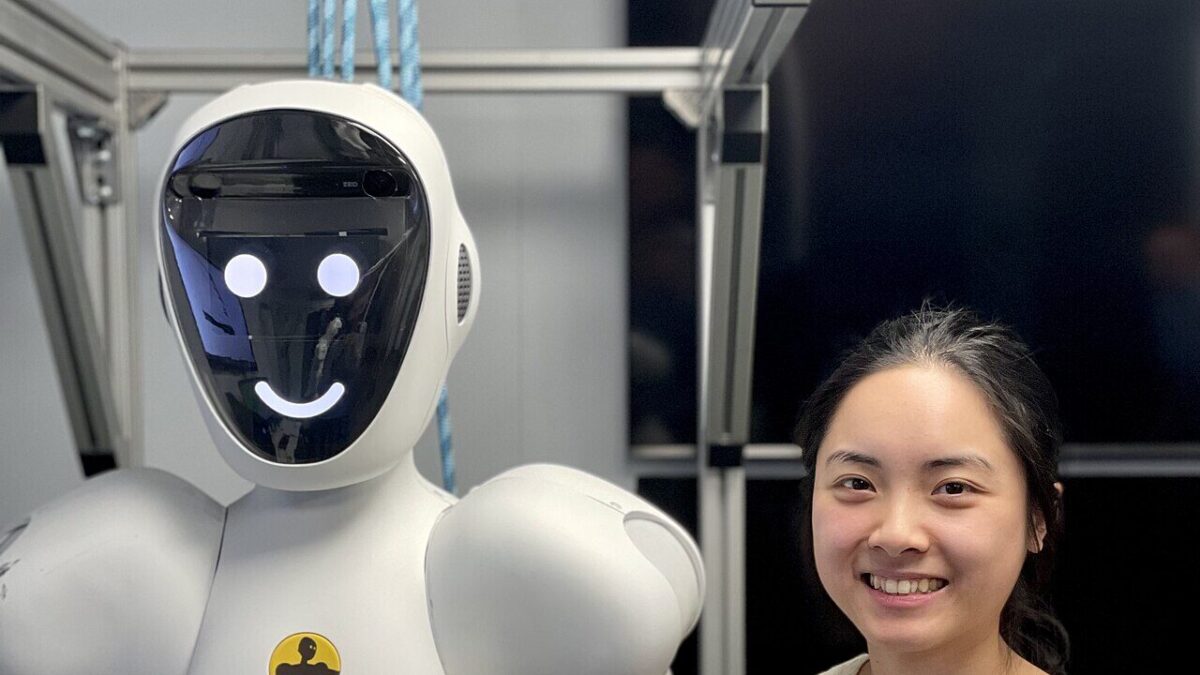
JAKARTA — The automation era is moving even further ahead. China-based robotics company Agibot is starting to introduce humanoid solutions that are said to be capable of taking over dangerous and high-risk tasks. The move is seen as a response to labor shortages across a range of global industries.
William Shi, Agibot’s president for Europe and the Americas, stressed that his company is not merely creating machines, but offering a solution for boring and risky jobs. According to him, there are many positions in factories that are naturally expected to be replaced by machines for efficiency and safety.
"We have to consider the people doing dangerous, boring, and repetitive work. These jobs are very easy to replace," Shi said at a press conference in London, as reported by TechRadar. For him, monotonous tasks such as moving boxes or packing electronic components do not add value to human creativity.
Industrial Transformation and the Role of Humanoid Robots
Founded by former Huawei engineers in 2023, Agibot has produced 15,000 robot units. One of its flagship models, G2, has already been tested at the Longcheer electronics factory. There, the robot works alongside humans to complete physically demanding tasks during an eight-hour shift.
The robot’s presence is not without careful calculation. Each unit is equipped with a three-part AI model that controls interaction, locomotion or movement, and manipulation of the surrounding environment. With Nvidia chips embedded inside, the robot is designed to operate under full human control, ensuring the final decision remains in the hands of human operators.
Why does this transition matter? In concrete terms, it touches on industrial operational efficiency in Indonesia and around the world. Replacing repetitive work allows human labor to shift to roles that require empathy, strategic thinking, and innovation that machines cannot perform.
The Future of Robots as Teachers and Caregivers
Agibot’s vision goes beyond the factory floor. Shi said that in the future, humanoid robots could become a solution to shortages of teachers and nurses in various countries. With a foundation in large language models (Large Language Models), these robots are claimed to be able to answer children’s basic questions about science, mathematics, and everyday conversation.
Even if the idea of robot teachers sounds futuristic, public trust remains a challenge. A 2025 study by KPMG and the University of Melbourne found that although AI use in the workplace continues to grow, fewer than half of workers truly trust the technology.
Agibot recognizes that challenge. For now, its main focus remains on the B2B (Business-to-Business) sector in construction, cleaning, and manufacturing. The company says that even if robots eventually take on responsibilities in everyday life, they will never be given authority to make critical decisions that should remain in the human domain.
The use of this technology will continue to evolve as more usage data is collected. Will robots really become the co-workers we need in the future? Time will tell, but Agibot’s move is a strong signal that industrial automation is already on the horizon.
FAQ: Agibot Humanoid Robots
What is the main advantage of Agibot’s humanoid robots?
These robots are designed with a three-part AI system that can handle interaction, movement, and object manipulation with precision, especially for repetitive factory tasks.
Can Agibot robots work fully independently?
Not yet. At present, all robot operations remain under human control and supervision, so critical decisions are still the responsibility of humans.
Which sectors is Agibot targeting besides manufacturing?
The company is targeting construction, cleaning, and potential use in education and nursing to address global labor shortages.