FCC Expands China Import Ban on Telecom, Video Gear
FCC expands the China import ban, tightening U.S. rules on telecom and video gear and raising costs for buyers and distributors.
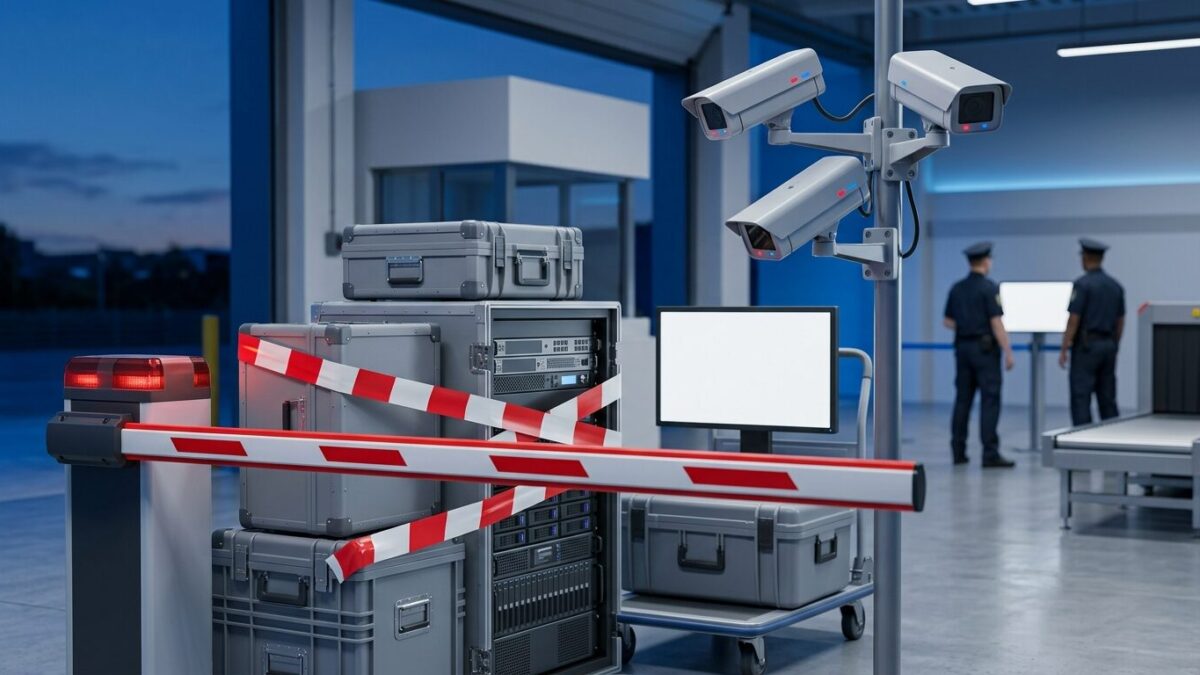
WASHINGTON — The China import ban is being widened again after the U.S. Federal Communications Commission (FCC) said Friday, June 26, that it will block the entry of additional equipment from Chinese manufacturers. The new policy narrows the path for Chinese electronics in the U.S. market, especially in telecommunications and video-surveillance gear.
The impact is not minor. For Chinese companies, access to the U.S. market is getting harder. For American operators and distributors, supply chains could become more expensive and more limited.
China import ban gets tighter
The FCC did not spell out the full list of affected manufacturers in its brief announcement, but the direction is clear: Washington keeps closing loopholes for Chinese-made hardware it sees as a national security risk. The move follows a series of earlier restrictions targeting network equipment, surveillance cameras, and other components tied to digital infrastructure.
U.S. communications regulators have long focused on Chinese devices. In 2022, the FCC barred new approvals for telecommunications and video-surveillance equipment from Huawei, ZTE, Hytera, Hikvision, and Dahua. Those five companies were placed on a list seen as posing a threat to U.S. national security.
This latest policy reinforces the same pattern. Not one product. A wider approach.
Reuters reported that the FCC decision comes amid lingering tensions between Washington and Beijing. U.S. officials say some Chinese manufacturers have ties that make it difficult to guarantee the security of sensitive networks. China has rejected those claims and called the U.S. restrictions trade barriers wrapped in national security language.
Why the China import ban matters
Telecommunications equipment and surveillance cameras are not fringe products. They are used in public networks, offices, warehouses, industrial zones, ports, and transport facilities. Once import routes narrow, the effects spread quickly. Companies have to find replacement suppliers, revise technical specifications, and reset procurement budgets.
In a market like the U.S., that shift is rarely cheap. Alternative suppliers often charge more, ship more slowly, or offer equipment that is not fully compatible with older systems. Operators buying at scale can feel the pressure fast.
For end consumers, the effects may show up indirectly. Service prices, installation fees, or maintenance costs can rise if companies switch to non-Chinese equipment that costs more. The pressure does not always appear on the shelf. It shows up behind the scenes.
"The FCC believes security risks cannot be ignored just because of price or availability," a U.S. communications official said in comments cited by Reuters. "We have to make sure equipment entering the market does not create vulnerabilities in critical infrastructure."
Impact on telecom and video-surveillance industries
The telecommunications industry is among the most sensitive to this policy. 5G networks, backbone gear, and public communications systems depend on steady supply. Once one route closes, companies must move quickly to find another. That is not easy.
The video-surveillance sector faces similar pressure. Security cameras are now used across government buildings, logistics hubs, shopping centers, and industrial parks. If Chinese producers face tighter limits, U.S. distributors will have to rethink contracts, stock levels, and purchasing strategies.
Globally, the FCC move also sends a signal to other countries. The U.S. is still treating technology security as both a political and economic priority. That means supply-chain audits are likely to get stricter, especially for products linked to public networks or critical infrastructure.
The decision also adds pressure on Chinese companies that have relied on exports to the American market. When access narrows, they do not just lose sales. They also face a regulatory stigma that can spill into other markets that follow Washington’s lead.
Beijing’s response and what comes next
China has repeatedly denied claims that its devices are being used for surveillance or pose security threats. Beijing says the U.S. restrictions are an attempt to squeeze a rival through strategic arguments. The dispute has dragged on for years and shows no sign of easing.
The FCC has not announced a detailed timeline for enforcing the latest China import ban in its initial statement. Still, the policy signal is already clear. Scrutiny of foreign hardware, especially from China, appears set to remain tight in the near term.
Markets are now waiting for the list of manufacturers and product categories that will fall under the new ban. That will show how wide the impact could be and how quickly industry players will need to adjust supply. The next step from Washington will determine whether the restrictions stop at the device level or spread further across the technology chain.