Turkish Startups Pitch Investors at We Make Future 2026
Seven Turkish startups head to We Make Future 2026 in Bologna to meet global investors and tech firms. Here's what's at stake and why it matters beyond Turkey.
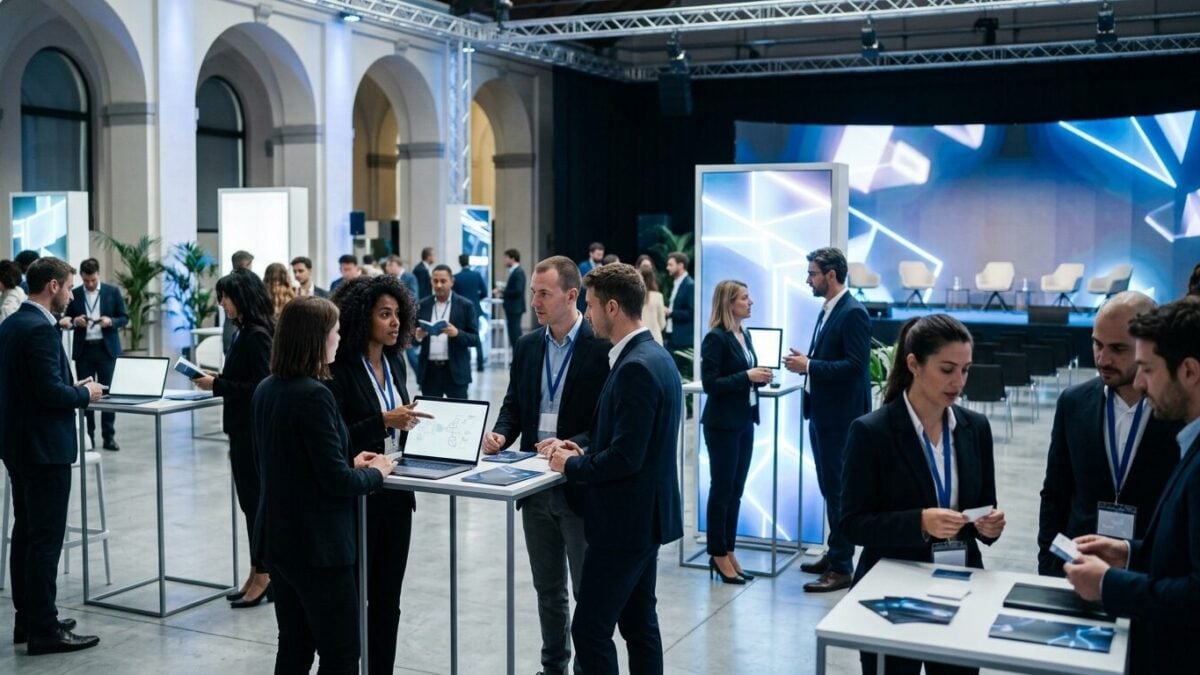
JAKARTA — Turkish startups will come face to face with global investors, tech companies, and venture capital funds at We Make Future (WMF) 2026 in Bologna, Italy, on June 24–26. Their entry point: the Turkey Pavilion, a dedicated platform designed to connect homegrown founders with partners, capital, and international distribution channels.
This matters because building a great product is only half the battle. Startups also need markets, funding, and networks. Without those three, promising ideas rarely leave the presentation room. WMF 2026 puts all three on the same floor.
Why Turkish Startups Are Targeting WMF 2026
According to the Presidency of the Republic of Turkey Investment Office, participation is organized through the Turkey Pavilion. The goal is to showcase Turkey's dynamic entrepreneurship ecosystem and its tech-driven growth potential to international stakeholders.
Seven startups will get direct access to that international stage: Madlen, Bomensoft, Pixselect, Text2Test, Werover, Pabli, and Messagegate. Each will have the chance to pitch to international investors, network with technology companies and venture capital funds, and pursue potential business partners from across the globe.
For a startup, one well-timed meeting can change everything. A brief conversation on the sidelines of a conference has launched pilot projects, seeded early investments, and opened cross-border marketing deals. That's exactly why founders chase events like WMF when they're ready to scale fast.
What the Turkey Pavilion Actually Does
The Turkey Pavilion is more than a branded booth. It functions as a showcase for Turkey's startup ecosystem and a structured meeting space for entrepreneurs, investors, and the broader tech community. During the event, the agenda includes investor meetings, B2B matchmaking sessions, and networking activities.
The objective is clear: help Turkish startups expand international partnerships and unlock access to new markets. Visibility is the currency here. Startups that appear at global forums tend to attract strategic partners far more easily — especially when they arrive with products that solve problems relevant to diverse markets.
The initiative also sits within the Strong Center for Investment in the Century of Turkey program, which is designed to strengthen Turkish startups' ties with global investment networks, drive new partnerships, and raise the profile of Turkey's entrepreneurship ecosystem internationally.
WMF: One of the Biggest Tech Forums in the World
WMF has built a reputation as a major global venue for artificial intelligence, advanced technology, digital transformation, and entrepreneurship. It's not just a product showcase — it's a live crossroads where startup founders meet investors, tech corporations, and open-innovation communities.
At the 2025 edition, the event drew more than 73,000 attendees from over 90 countries. Organizers recorded more than 700 sponsors and exhibiting companies, along with more than 3,000 startup and open-innovation stakeholders.
Those numbers tell a simple story. The stage is enormous. On a floor that size, a small startup can stand beside far more established players — as long as they arrive with a clear product, a defined target market, and a compelling business narrative.
For readers outside Turkey, the pattern is instructive. It shows how a country can deliberately build bridges for its startups, not just through idea competitions, but by leveraging international forums to chase capital, add credibility, and break into networks that would otherwise be nearly impossible to access from the outside.
WMF also reinforces a broader truth about the global startup world: direct, in-person contact still drives deals. Remote pitches help, but many of the biggest agreements still trace back to a quick demo, a short hallway conversation, or a follow-up coffee after a panel. That's where the Turkey Pavilion will be tested.
What Success at Bologna Could Unlock
If Turkish startups manage to capture investor attention in Bologna, the downstream effects could include fresh financing rounds, technology collaborations, and market expansion into regions they couldn't reach before. Even if no deal closes on the spot, the founders return with something equally valuable: contacts, product feedback, and a sharper map of the global competitive landscape.
Turkey's approach here is worth watching. By deploying a dedicated pavilion with structured programming — rather than sending individual startups to fend for themselves — the country is treating international tech forums as strategic infrastructure. That's a model other nations looking to elevate their local startup scenes could study closely.
For the seven startups involved, three days in Bologna could outperform months of cold outreach to investors. The cards they carry home might include new collaboration agreements, product trials in foreign markets, or follow-up invitations that materialize weeks after the event ends.
When WMF 2026 wraps up, one question will hang in the air: which of these startups actually turned a brief Bologna encounter into a real business move.
Quick summary: The Turkey Pavilion is bringing seven Turkish startups to WMF 2026 in Bologna to meet global investors, tech companies, and potential business partners. The event matters because it opens pathways to funding, networks, and new markets — and for startups, forums like this often mark the starting point of much larger international partnerships.
Quick FAQ:
1. When is WMF 2026? June 24–26, in Bologna, Italy.
2. Which startups are attending? Madlen, Bomensoft, Pixselect, Text2Test, Werover, Pabli, and Messagegate.
3. Why does this event matter? It brings startups into direct contact with investors, technology companies, and potential business partners from around the world — all under one roof.