Trump Eyes Permanent Barriers on Pennsylvania Avenue
Donald Trump’s plan to install physical barriers along Pennsylvania Avenue outside the White House is fueling a debate on national security and democratic accessibility.
Security vs. Public Access
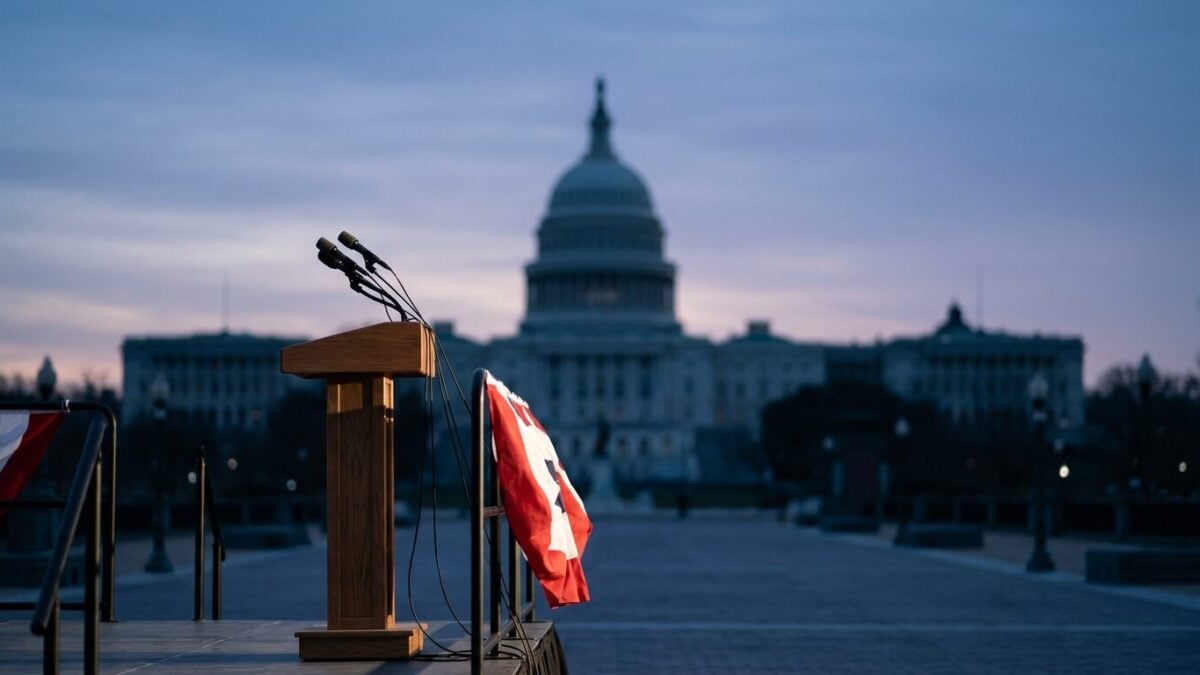
Donald Trump’s proposal to install permanent physical barriers along Pennsylvania Avenue directly outside the White House is reigniting a contentious debate in Washington D.C. over the balance between presidential protection and public accessibility. While proponents argue the measure is necessary to mitigate evolving security threats, critics contend it further isolates the executive branch from the American people.
The White House has remained tight-lipped regarding specific design details or the projected budget for the project, though the plan has been in development for some time. This lack of transparency has intensified concerns among urban planners and civil rights advocates, who worry the barriers will permanently alter one of the capital's most iconic civic spaces. Pennsylvania Avenue serves as a primary arterial road and a historic site for protests and public gatherings; restricting it could degrade the symbolic openness of the American seat of power.
A Shifting Security Landscape
The move follows a long-standing trend of hardening security in the nation's capital, which accelerated significantly after the September 11 terrorist attacks. Since then, access to the White House perimeter has become increasingly restricted, mirroring a global shift in how heads of state protect their residences. Supporters maintain that current measures are insufficient to stop modern threats, citing historical incidents of attempted incursions and intimidation near the executive mansion. For these advocates, the potential cost—estimated by some observers as a significant expenditure—is a necessary price for ensuring the safety and privacy of the president.
However, opponents argue that fortifying the perimeter sends a troubling message about the health of American democracy. They warn that obstructing a major thoroughfare may deepen the perceived distance between the electorate and the presidency. Policymakers now face the difficult task of determining how to harden the White House against legitimate security risks without turning the executive residence into an inaccessible fortress.