Albanese Unveils Blueprint to Manage Australia’s Artificial Intelligence Shift
Prime Minister Anthony Albanese today signaled a major shift in how Australia will navigate the digital frontier, announcing a new national framework to gove...
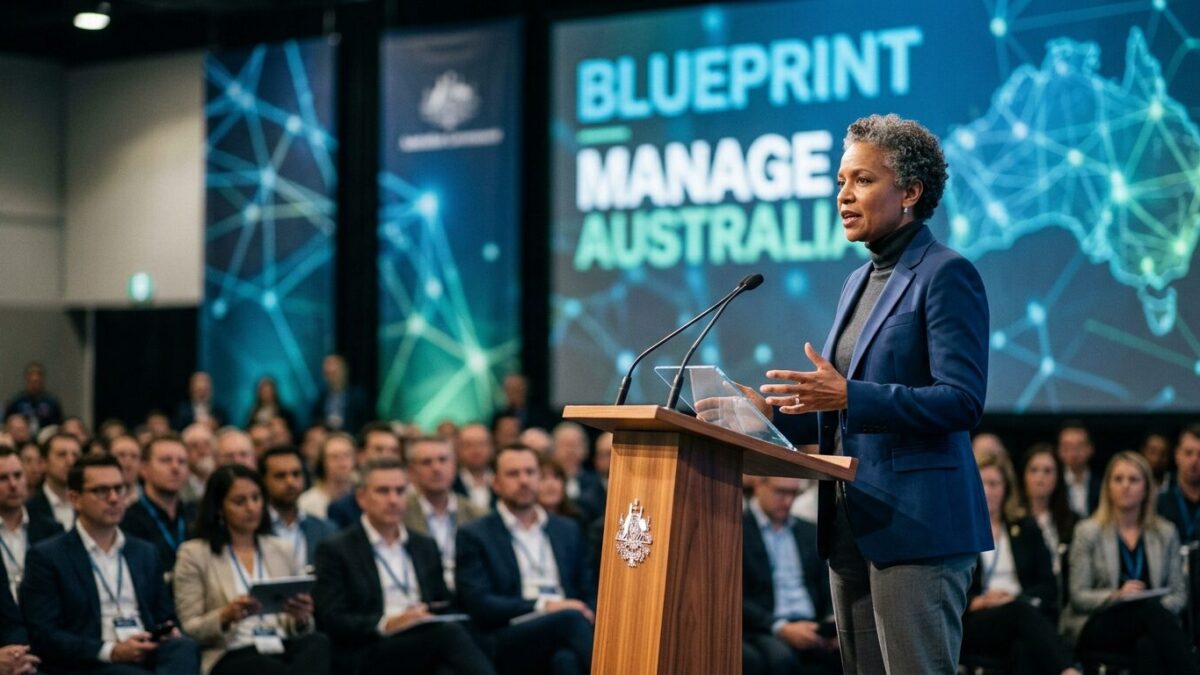
Prime Minister Anthony Albanese today signaled a major shift in how Australia will navigate the digital frontier, announcing a new national framework to govern artificial intelligence. The move marks a direct response to the technology’s accelerating influence on the nation’s economy and the daily lives of its citizens.
The government intends to curb the risks while harvesting the rewards. By establishing this framework, Canberra aims to provide a clear roadmap for businesses and the public sector to manage the rapid integration of AI tools.
Balancing Innovation and Safety
For months, the pressure has mounted on the Labor government to provide guardrails for a sector moving faster than existing laws. Critics have long argued that without a cohesive federal strategy, Australia risks falling behind global peers who have already implemented sophisticated regulatory environments.
This framework represents the government's primary attempt to address that gap. It is not just about restriction; it is about infrastructure. Ministers are looking at the social fabric as much as the balance sheets. They want to ensure that as AI reshapes job markets and information flows, the impact remains manageable rather than chaotic.
The rollout comes at a time when global powers are racing to define the ethics of machine learning. From the European Union to the United States, governments are grappling with how to foster technological growth without sacrificing consumer privacy or democratic integrity. Australia’s approach will likely mirror these international efforts by emphasizing transparency and accountability.
Economic Ripple Effects
The economic stakes are high. Sectors ranging from healthcare to mining are already experimenting with automated systems to drive efficiency. However, labor unions and industry groups have expressed concerns regarding workforce displacement.
By creating a national standard, the government hopes to provide businesses with the certainty they need to invest confidently. Uncertainty is the enemy of growth. When firms do not know the rules of the road, they tend to stall. This framework acts as a set of traffic lights for the digital age, intended to prevent gridlock while keeping the economy moving at speed.
Public sentiment toward AI remains divided. While many Australians appreciate the convenience of new software, there is a palpable anxiety about the loss of human oversight in critical decision-making processes. The new framework will attempt to bridge this divide by setting expectations for developers and users alike.
Officials are expected to release further details on the implementation timeline in the coming weeks. The strategy will focus on long-term resilience, ensuring that the country’s legal architecture can evolve alongside the technology. For now, the message from the top is clear: Australia will no longer treat the rise of AI as an external force, but as a domestic priority that requires a steady, guided hand.