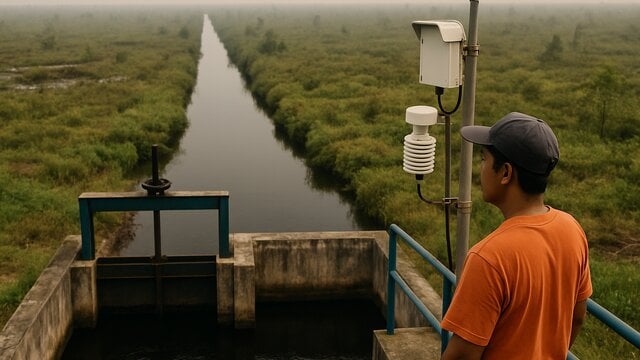
Asia Braces For Elevated Typhoon Risk In 2026 Forecast
Meteorologists are watching the typhoon season 2026 forecast asia closely as warmer seas and shifting storm tracks raise concern for coastal cities, shipping…
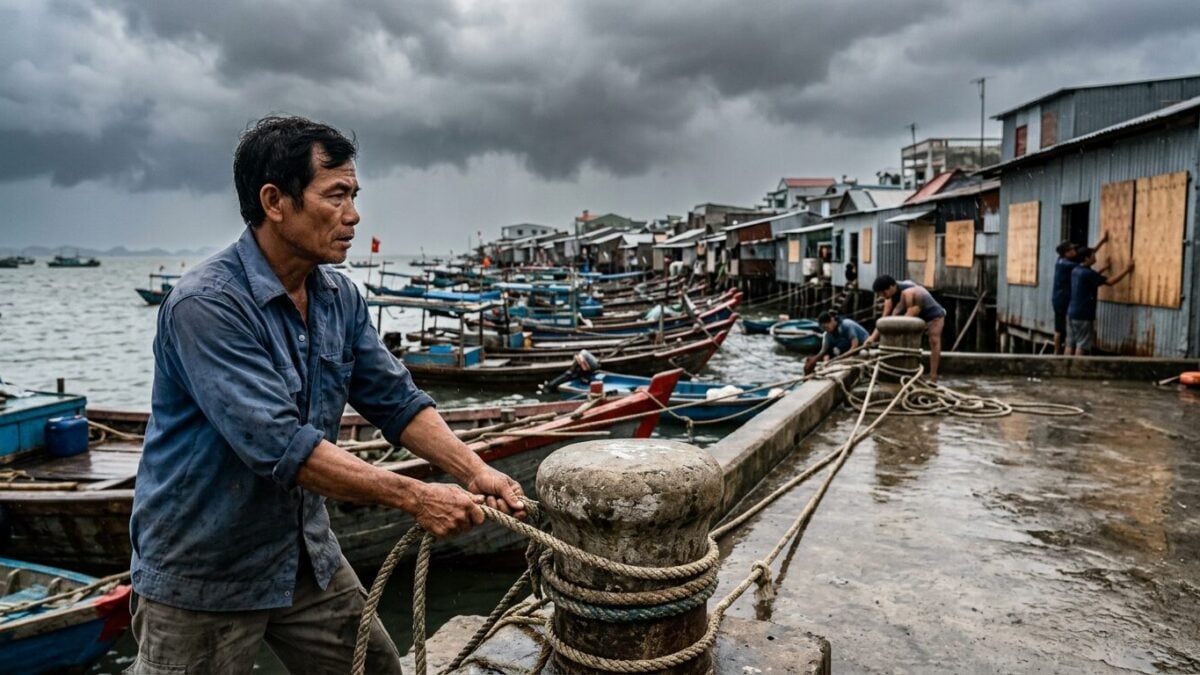
JAKARTA — The typhoon season 2026 forecast asia is drawing close attention from weather agencies, shipping lines and coastal governments after forecasters flagged another year of elevated storm risk across the western Pacific. The concern is simple: when the season turns active, the first hits usually land on homes, ports and food supply chains.
That matters well beyond the countries in the storm path. Cargo delays, power outages and crop losses can spread through regional trade routes fast, and insurers have started paying closer attention to how many severe systems may form between mid-year and late autumn.
Warm seas keep the risk elevated
Forecasters say sea surface temperatures remain a key watchpoint. Warmer water gives tropical systems more fuel, and the western Pacific has repeatedly produced intense storms in recent years.
Climate researchers have also pointed to a broader pattern: storms do not need to hit land to cause damage. A strong typhoon passing offshore can still whip up dangerous waves, stall shipping, and force airlines to cancel flights across several countries.
One meteorologist with a regional weather center said the issue is no longer just about how many storms form. “What we are seeing is a higher probability of rapid intensification,” the official said. That means a system can strengthen quickly, leaving less time for evacuation and port closures.
The typhoon season 2026 forecast asia also lands at a sensitive time for governments that are still repairing roads, drainage systems and coastal defenses after repeated flood events. In parts of the Philippines, Taiwan, southern China and Vietnam, local authorities have spent years trying to improve warning systems and evacuation drills. The warning gap is narrower now. But the margin is still thin.
Why the forecast matters for markets
The economic effect shows up quickly. A single strong storm can shut down a major port, cut refinery output, delay semiconductor shipments or damage rice and corn fields at the worst possible time. That is why traders, logistics firms and farm ministries watch the typhoon outlook as closely as the rainfall forecast.
For consumers, the impact tends to arrive in smaller but stubborn ways. Fresh produce gets pricier after flooding. Ferry schedules change. Flights get backed up. Power cuts can knock out refrigeration and water pumps. In storm-prone coastal districts, even a near miss can trigger days of disruption.
Insurance firms face a different problem. A busier season often means more claims for wind damage, flooding and business interruption. That can push premiums higher in exposed markets, especially where infrastructure remains vulnerable.
So the season is not just a weather story. It is a supply-chain story, a food-price story and a public-safety story rolled into one. Ports from Manila to Kaohsiung to Ho Chi Minh City keep an eye on the same signals: pressure falls, warm seas, and the first track models that show where a storm may turn.
What forecasters are watching next
Officials and forecasters will focus on three things in the months ahead: how many tropical systems form, how many reach typhoon strength, and where the strongest landfalls occur. A season with fewer storms can still be costly if several strike densely populated coasts.
That is why emergency agencies usually push readiness long before the first major landfall. Stockpiling fuel, checking shelter capacity and clearing drainage channels can decide how badly a city fares when the rain arrives in sheets and the wind starts to climb.
In the Philippines, where annual storm exposure is among the highest in Asia, disaster officials have repeatedly urged local governments to keep evacuation sites ready before the peak months. Across the region, meteorologists say the first real test for the typhoon season 2026 forecast asia will come when the monsoon trough strengthens and the first named system appears in the western Pacific basin.
By then, the key number will not be the forecast itself. It will be how quickly ports, cities and farms move before the next warning is issued.