SK Hynix Stock Ends a Wild First Week After Record-Breaking Nasdaq Debut
SK Hynix stock ended a wild first week after its record $26.5 billion Nasdaq ADR debut: a 12.8% day-one gain, a record 15.4% Seoul crash, and an ETF crackdown.
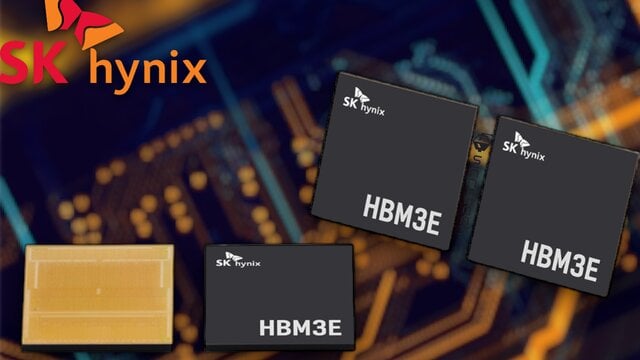
SK Hynix stock closed its first week as a Nasdaq-listed company on Thursday, July 16, down 11.53 percent in Seoul at 1,842,000 won, capping five trading days that swung from a record US debut to the worst single-day crash in the company's history and back again, Yonhap reported.
The week matters far beyond one ticker. SK Hynix is the world's dominant supplier of high-bandwidth memory for AI accelerators, it overtook Samsung Electronics in June as South Korea's most valuable listed company for the first time in 25 years, and its new American Depositary Receipts have wired Seoul's volatility directly into US markets.
A roller-coaster in five sessions
The company priced its ADR offering on July 9 at $149 per ADR, raising about $26.5 billion, the largest US listing ever by a foreign company, topping Alibaba's $21.8 billion in 2014. Demand exceeded available shares more than sevenfold, according to Aju Press. Chairman Chey Tae-won and CEO Kwak Noh-jung rang the opening bell in New York on July 10, and the ADRs closed their first session at $168.01, up 12.8 percent.
The celebration lasted one weekend. On Monday, July 13, SK Hynix's Seoul shares plunged 15.4 percent to 1,845,000 won, their worst one-day drop on record, dragging the KOSPI down 8.95 percent to 6,806.93 and tripping a 20-minute market-wide circuit breaker, Aju Press reported. Crypto outlet CoinGape estimated the slide erased roughly $200 billion in market value, a figure no other outlet has confirmed. The trigger was profit-taking after the listing plus a forecast cut from Korea Investment & Securities, which projected Q2 operating profit of 60.4 trillion won, about 8 percent below the roughly 65 trillion won consensus, Futunn reported.
Tuesday brought whiplash. The ADRs surged 27.3 percent to $193.92, a premium of about 45 percent to Seoul parity, Aju Press reported. On Wednesday, July 15, Seoul shares jumped 8.83 percent to reclaim the 2 million won level and the KOSPI closed up 6.24 percent at 7,284.41, helped by cool US inflation data and a bullish Barclays note, BusinessKorea reported. Then Thursday's session erased it again: SK Hynix fell 11.53 percent, Samsung Electronics dropped 8.8 percent, and the KOSPI lost 6.37 percent to 6,820.60 as foreigners sold 1.38 trillion won and institutions dumped 2.37 trillion won, per Yonhap. Retail investors bought 3.66 trillion won into the fall.
Seoul was closed Friday, July 17, for Constitution Day — reinstated this year as a public holiday for the first time in 18 years — and reopens July 20. The ADRs kept trading in New York: SKHY closed Thursday at $152.31, down 13.7% on the day, with Friday's U.S. session still ahead at press time. The Seoul chronology ends with Thursday's close.
The machine behind the swings
A structural amplifier sits beneath the swings, according to KED Global and Crypto Briefing. Samsung and SK Hynix together account for roughly half of the KOSPI's value, and single-stock leveraged ETFs tracking the pair, launched only on May 27 with two-times daily exposure, had ballooned to some 13 to 14 trillion won in assets within seven weeks. Daily rebalancing by those funds forces mechanical buying into rallies and selling into crashes.
Nic Puckrin, founder of Coin Bureau, told Investopedia the ADR had exported the problem: "Today's near-record fall in SK Hynix in Asian trading is no longer just South Korea's problem—it's now importing this volatility into the Nasdaq… It's a vicious circle, and it should worry equity investors."
Rate hike and an ETF crackdown
Two policy moves landed on July 16. The Bank of Korea raised its base rate 25 basis points to 2.75 percent, its first hike since January 2023, in a unanimous decision, with consumer inflation above 3 percent in May and June, AP reported. Governor Shin Hyun Song warned that "inflation is expected to remain above the target level for a considerable period."
The same day, the Financial Services Commission suspended new listings of Samsung and SK Hynix single-stock leveraged ETFs, tripled the minimum deposit to 30 million won in cash only, and imposed 20-share batch trading, Yonhap reported. President Lee Jae-myung had already called the market "quite unstable" on July 15 and pressed regulators for follow-up measures, according to China Daily/Bloomberg. Opposition PPP floor leader Jeong Jeom-sig countered that "it's enough to make people feel dizzy just watching Kospi."
What to watch: Q2 earnings
The next catalyst is the Q2 2026 report, now officially scheduled for Wednesday, July 29, at 9 a.m. KST, according to an earnings notice posted on SK Hynix's investor relations page on July 16. Separately, the company's newsroom states that the new KOSPI shares underlying the ADR offering will list on July 29, a corporate action unrelated to the earnings release.
The bar is high. Q1 delivered record revenue of 52.58 trillion won and a 72 percent operating margin, and the company has said HBM capacity is sold out through at least 2026-27, NineScrolls reported. Consensus sits near 65 trillion won in operating profit; the KIS forecast that sparked the July 13 rout came in at 60.4 trillion, still up 556 percent year on year.
Chey Tae-won, speaking at a KCCI forum in Jeju on July 17, urged patience: "I don't know where the stock price will be next month, but holding onto the shares rather than buying and selling them frequently is a good way to preserve your wealth," Yonhap reported. Seoul trading resumes Monday, July 20.
Last updated: July 17, 2026.