Tensions Escalate in Gulf of Oman as Tehran Rejects Trump’s Release Claims
The simmering standoff between Washington and Tehran reached a boiling point today as US Marines boarded a vessel in the Gulf of Oman during a
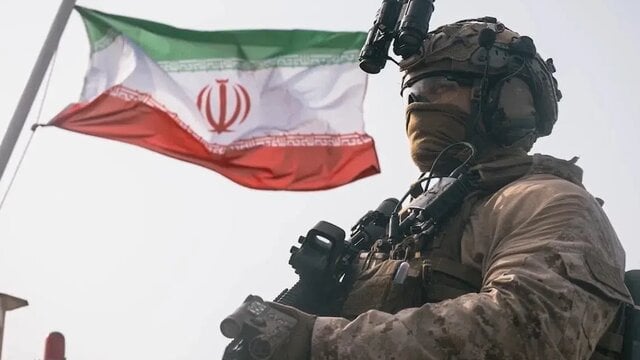
The simmering standoff between Washington and Tehran reached a boiling point today as US Marines boarded a vessel in the Gulf of Oman during a high-stakes military operation. This maritime maneuver coincides with a sharp public disagreement over the status of a detained American citizen, leaving international observers questioning the stability of the region.
President Donald Trump publicly asserted that a US citizen had been released from Iranian custody earlier today. However, officials in Tehran swiftly countered that narrative, flatly disputing the president's claim. The contradiction highlights a deep communication void between the two nations, even as military assets maneuver dangerously close to one another in one of the world's most vital shipping lanes.
A Fragile Diplomatic Narrative
The conflicting reports regarding the American detainee have added a layer of confusion to an already volatile geopolitical climate. For the White House, the alleged release was framed as a tangible diplomatic breakthrough. Within hours, the Iranian government signaled that no such deal had been struck, nor had any prisoner been handed over to American authorities.
This discrepancy suggests that back-channel negotiations, if they exist at all, are failing to yield a unified understanding. The stakes are immense. Families of those held abroad often find themselves caught in the middle of these public messaging wars, where political posturing frequently takes precedence over human outcomes.
Military Posturing in the Gulf
While diplomats and spokespeople trade barbs, the situation on the water remains precarious. US Marines conducting a boarding action on a vessel in the Gulf of Oman serves as a stark reminder of the kinetic risks currently in play. Military commanders have not released specific details regarding the identity of the ship or the purpose of the boarding, but such actions are rarely routine.
The Gulf of Oman serves as a critical artery for global energy supplies. Any escalation here threatens to disrupt the flow of oil and gas, potentially triggering a spike in global energy prices. Tehran has historically viewed the presence of US military assets in these waters as a provocation, frequently responding with its own naval drills or harassment of commercial vessels.
The Pentagon has maintained a steady presence in the area, citing the need to protect freedom of navigation. Yet, the proximity of Iranian and American forces creates an environment where a single miscalculation by a junior officer could spiral into a broader confrontation. As of this afternoon, neither the White House nor the Iranian foreign ministry has offered further clarification on the disputed prisoner release, leaving the status of the individual—and the safety of the boarding party—uncertain.