Brent Crude Oil Price Forecast Balances OPEC+ Cuts And Weak Demand
The brent crude oil price forecast is being shaped by OPEC+ supply risks, slower growth in some major economies, and seasonal demand swings heading into the…
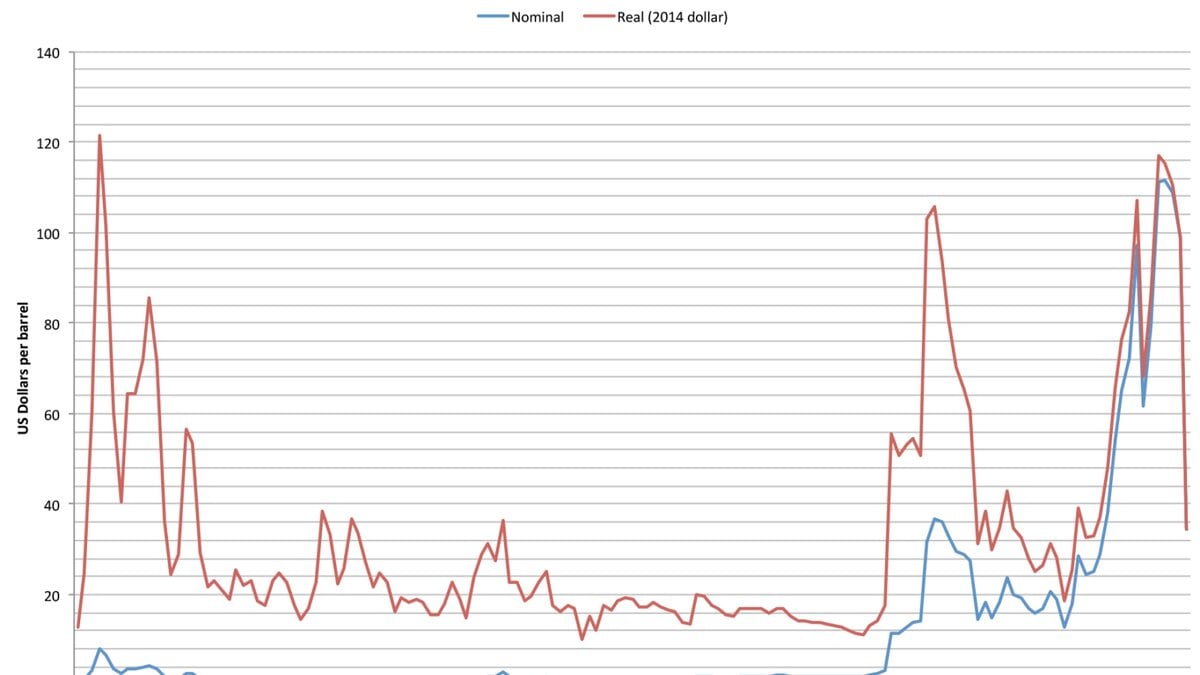
Brent crude oil price forecast is being pulled in different directions as traders weigh OPEC+ supply management, soft patches in global demand, and the next round of inventory data. The market has not settled on a clean direction, and that matters for airlines, refiners, shipping firms, and fuel buyers watching costs ripple through the chain.
The issue is not just where Brent trades next week. It is whether the oil market can absorb extra barrels without forcing prices lower, or whether tighter supply and a seasonal pickup in fuel use will keep crude supported longer than many expected.
What is shaping the Brent crude oil price forecast
Oil analysts are watching three forces at once. First, OPEC+ supply policy remains the biggest lever on near-term crude pricing. If producers keep a firm grip on output, Brent can hold a stronger floor. If they loosen that grip, traders tend to price in faster downside.
Second, demand is uneven. Transport fuel demand usually improves when travel rises, but industrial demand can lag when factories, freight volumes, and consumer spending slow. That tension often leaves Brent stuck in a range rather than moving in a straight line.
Third, inventories still matter. Weekly stock builds or draws in the US, along with shipping and storage trends in Europe and Asia, can shift sentiment quickly. A single large surprise does not rewrite the market on its own. A few of them in a row do.
That is why the Brent crude oil price forecast has become less about one headline and more about how several signals line up over time. Traders are not looking for a neat answer. They are looking for confirmation.
Why the forecast matters beyond trading desks
For consumers, the direction of Brent filters into gasoline, diesel, jet fuel, and freight costs. Refiners buy crude first, then turn it into products used across the economy. When Brent climbs, the pressure usually shows up later in pump prices, airfares, and delivery charges. When it falls, relief can be slower than households hope because taxes, margins, and local distribution costs still sit in the middle.
For companies, the stakes are immediate. Airlines hedge fuel for a reason. Shippers plan routes and contracts with crude in mind. Chemical producers and manufacturers also watch oil because energy costs can cut into profit margins even when sales hold up. In other words, Brent is not just a chart on a screen. It is a cost input that reaches real budgets.
That is also why central banks and finance ministries keep an eye on the oil tape. A jump in crude can feed inflation expectations, especially in economies where fuel prices are closely linked to consumer prices. A drop can ease headline inflation, but it can also signal weaker demand, which markets dislike for a different reason.
Analysts are looking at a range, not a straight line
Most market commentary on the Brent crude oil price forecast now leans toward a range-bound view rather than a breakout call. That reflects the tug-of-war between disciplined supply and uncertain demand growth. Traders want a catalyst. They may get one from geopolitics, a policy change, or a bigger-than-expected shift in stockpiles.
Geopolitical risk remains a wild card. Tensions that disrupt exports, shipping routes, or refinery operations can tighten the market quickly. The reverse is true too. Any sign of smoother flows or faster production recovery can soften prices just as fast.
For now, the market seems more comfortable asking what could move Brent out of its band than predicting a straight climb or collapse. That is a cautious stance, but it fits a market where supply can change on policy signals and demand can wobble with the global economy.
The next cue will likely come from the latest inventory releases, OPEC+ messaging, and any fresh sign that fuel demand is either strengthening into the season or losing steam again.