Singapore Changi Transit Hotel Guide: Where to Sleep Airside
The Singapore Changi transit hotel guide helps travelers choose between airside rooms, short stay options, and landside hotels without leaving the airport…
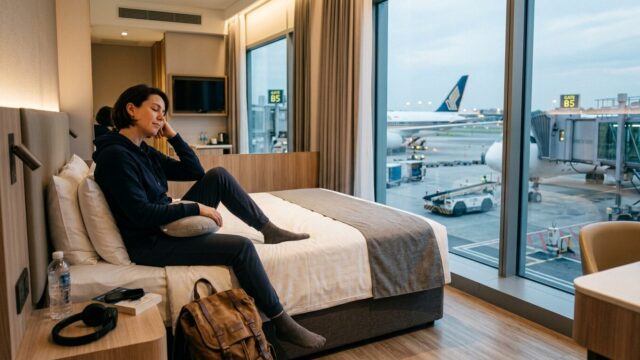
SINGAPORE — The Singapore Changi transit hotel guide matters most when a long connection turns into a real overnight stop. Changi Airport offers travelers a way to sleep near the gate, and the choice between airside transit rooms and landside hotels can decide whether a layover feels smooth or messy.
That distinction matters. A wrong booking can mean extra time at immigration, a tired walk across terminals, or a room you cannot reach without clearing entry formalities. A good one saves hours.
Singapore Changi transit hotel guide: what the options actually mean
Changi is built for transit traffic, so the airport has long catered to passengers who do not want to leave the terminal. The main idea is simple: some hotels sit inside the transit area, while others sit outside the immigration checkpoint and work like regular airport hotels.
Airside transit hotels are the closer option. They are designed for passengers with valid onward boarding passes and the right airport-side access. Landside airport hotels, by contrast, suit travelers who are entering Singapore, collecting bags, or planning a longer stop before the next flight.
That difference sounds small. It is not. If your bags are checked through and you stay airside, the process is usually faster. If you need to pass immigration, collect baggage, or recheck later, a landside room may fit better even if it adds a little walking and waiting.
Who should book airside, and who should not
Airside rooms work best for short layovers, late-night arrivals, and overnight transfers where sleep matters more than sightseeing. Travelers with very early departures also use them because they can shower, nap, and head back to the gate without leaving the secure area.
Families often like the predictability. Solo travelers do too. The appeal is practical, not glamorous. Clean bed, shower, quiet hallway, done.
But the airside setup can be unforgiving if your itinerary changes. Missed connections, terminal transfers, or baggage problems can push a traveler out of the ideal window for a transit stay. In those cases, a landside hotel offers more flexibility.
What to check before booking
Room type comes first. Transit hotels at Changi typically offer compact rooms built for rest, not long stays. Some include showers and basic work space. Others focus almost entirely on sleep. If you are traveling for business, a small desk and reliable Wi-Fi matter more than décor.
Timing matters too. Transit properties often sell by the hour or by short overnight blocks, while regular hotels use standard nightly rates. Travelers should match the booking to the actual connection length, not the ideal one printed on the ticket. Plans shift. Flights slip. Buffers disappear fast.
Terminal location also counts. Changi is efficient, but it is still a large airport, and walking between terminals takes time. A room near the wrong terminal can turn a comfortable layover into a rushed one, especially if boarding starts early or security lines run long.
Availability moves quickly during peak travel periods, school holidays, and major holidays in Asia. That leaves late bookers with fewer choices and higher rates. The safest approach is to check the layover window, confirm whether the hotel sits airside or landside, and match the room to the actual transfer plan.
For travelers passing through Singapore, that one detail often decides the whole night. A transit hotel can be the difference between arriving at the next gate rested or arriving with red eyes and a cold coffee in hand.
At Changi, that choice starts with one question: do you need to stay inside the airport, or can you leave and come back before the next flight boards?