Trump moves to curb offshore wind power over security concerns
Trump is citing national security to block offshore wind power projects, triggering pushback from California and legal intervention from Oregon and Washington…
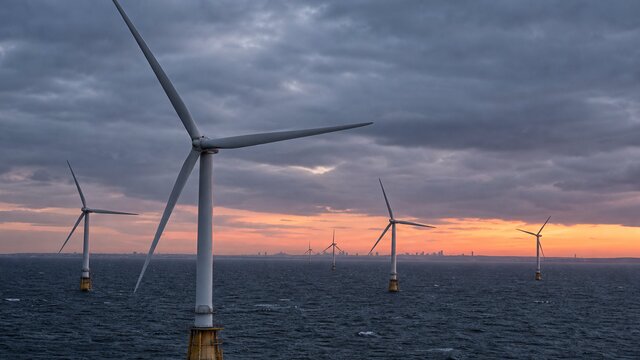
WASHINGTON — President Donald Trump is using national security arguments to stop offshore wind power development, setting off a fresh clash with states that say the federal government is overreaching. California is threatening a lawsuit over federal offshore wind lease buyouts, while Oregon and Washington have stepped into litigation against Trump’s Pentagon block on wind energy projects.
The fight matters well beyond the projects themselves. Offshore wind power has become a test case for how far the White House can go in slowing renewable energy development, and for how aggressively states can push back when federal action hits their coastlines, leases and investment plans.
States push back on offshore wind power
The immediate friction is legal. California has warned it may sue over federal efforts tied to offshore wind lease buyouts, according to the context around the AP report. Oregon and Washington have also intervened in a lawsuit challenging Trump’s move through the Pentagon to block wind energy projects.
That puts three West Coast states into the dispute, a sign that the battle over offshore wind power is no longer just about energy policy. It has become a broader standoff over federal authority, coastal development and whether Washington can stop projects already moving through the pipeline.
Trump has framed the issue through security concerns. His administration’s position, as described in the source material, links offshore wind development to national security questions. That argument is now being tested in court and in state capitals at the same time.
Why the dispute matters
For developers, the uncertainty is immediate. Offshore wind projects depend on long planning timelines, federal approvals and costly construction work. When the federal government steps in to slow or block those plans, the effect reaches lenders, contractors and state agencies that have spent years trying to build the projects.
For consumers and utilities, the stakes are practical. Delays in offshore wind power can affect how states diversify electricity supply and how quickly they can move forward with large-scale clean energy plans. The legal fight also raises the risk that policy swings in Washington could reshape the market overnight.
That uncertainty tends to freeze decisions. Companies wait. States hesitate. And projects can stall before a single turbine goes up.
What comes next in court
The current clash is headed deeper into litigation. California’s threat of a lawsuit adds pressure, while Oregon and Washington’s intervention means the dispute is widening rather than narrowing. Each move raises the odds that the question will be settled by judges rather than regulators or negotiators.
The AP report places the dispute squarely around Trump’s Pentagon block on wind energy projects, which gives the case a national security frame instead of a straight energy-policy one. That framing matters, because it changes how the administration defends its authority and how opponents challenge it.
For now, offshore wind power is stuck in the middle of a political and legal fight that crosses state lines. And the next step may come from the courtroom, where California’s threatened challenge and the Western states’ intervention could force the federal government to justify why renewable projects tied to coastal waters should be stopped on security grounds.
One fact now anchors the dispute: Oregon and Washington have officially intervened in the lawsuit against Trump’s Pentagon block on wind energy projects.