Ex-Attorney-General Dreyfus Calls for Abortion Clinic-Style Exclusion Zones Around Synagogues, Tougher Social Media Policing
Mark Dreyfus arrived at the Royal Commission on Antisemitism and Social Cohesion on Monday with a blunt prescription: surround synagogues with protest exclus...
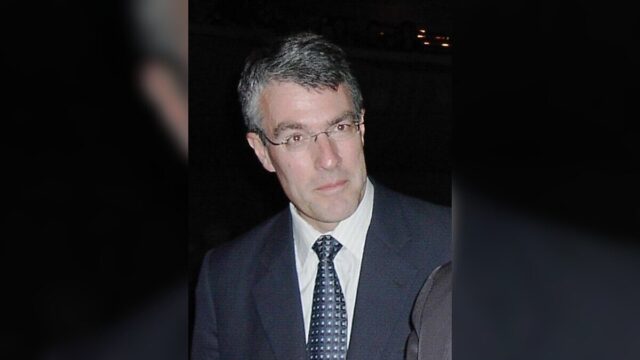
Mark Dreyfus arrived at the Royal Commission on Antisemitism and Social Cohesion on Monday with a blunt prescription: surround synagogues with protest exclusion zones modeled on the buffer zones that already shield abortion clinics, and force social media companies to do far more to police hate on their platforms.
The former attorney-general and Labor MP gave evidence before the inquiry, pressing for tougher protest laws alongside what he described as more robust online moderation. Two demands, one argument. Jewish Australians, he contended, should be able to walk into their places of worship without running a gauntlet of demonstrators — and the abuse that fuels that hostility increasingly starts online.
What Dreyfus Put on the Table
Exclusion zones are not a novel concept in Australia. Buffer zones around abortion clinics already operate across the country, keeping protesters a fixed distance from entrances so patients and staff can pass without harassment. Dreyfus argued the same legal logic should extend to synagogues: a defined perimeter where demonstrations would be barred, regardless of cause.
He paired that with a second push aimed squarely at the technology sector. Governments, in his telling, need to lean harder on the platforms where antisemitic content circulates. The precise mechanics — faster takedowns, steeper penalties, broader definitions of unlawful material — were left for the commission to weigh. The direction was unmistakable.
Why the Tech Dimension Carries Weight
The commission's very title yokes antisemitism to social cohesion, an acknowledgment that what spreads on a screen rarely stays there. Governments from Europe to the Asia-Pacific have spent years wrestling with that spillover, and Australia has positioned itself among the more assertive regulators of the digital sphere. Dreyfus, who spent years in the nation's top legal office, knows the levers well — and the limits.
That matters because moderation mandates collide with a stubborn reality. Platforms operate across borders. Enforcement is patchy, algorithms are opaque, and the volume of content defies any simple fix. Calling for "more robust" moderation is politically easy. Designing a system that delivers it without sweeping up legitimate political speech is anything but.
The Free Speech Fault Line
Both proposals run into the same constitutional and cultural friction: they redraw the boundary of lawful expression. Protest near places of worship sits at the intersection of religious freedom and political dissent, two rights democracies guard jealously. Online, the question becomes who decides what crosses the line — a minister, a regulator, or a trust-and-safety team in another hemisphere.
Critics of buffer zones in other contexts have warned of precedent creep: once one category of venue gains protection, the queue forms. Supporters counter that targeted, narrow zones have withstood legal challenge precisely because they are narrow. The commissioners will now have to navigate that terrain with testimony still coming in.
What happens next rests partly outside the commission's hands. Any exclusion-zone regime would almost certainly require state and territory legislation, since protest laws are largely written at that level, while sweeping moderation rules would demand federal action and a fresh confrontation with global platforms. The commission's recommendations, once delivered, will test whether Canberra's appetite for that fight matches the urgency Dreyfus brought to the witness seat on Monday.