Oil jumps to $100 a barrel as Red Sea attacks stoke fresh supply fears
Prices surged to $100 a barrel on Thursday, their highest level since early June, after a fresh escalation in the Iran war raised the. Oil — full details here.
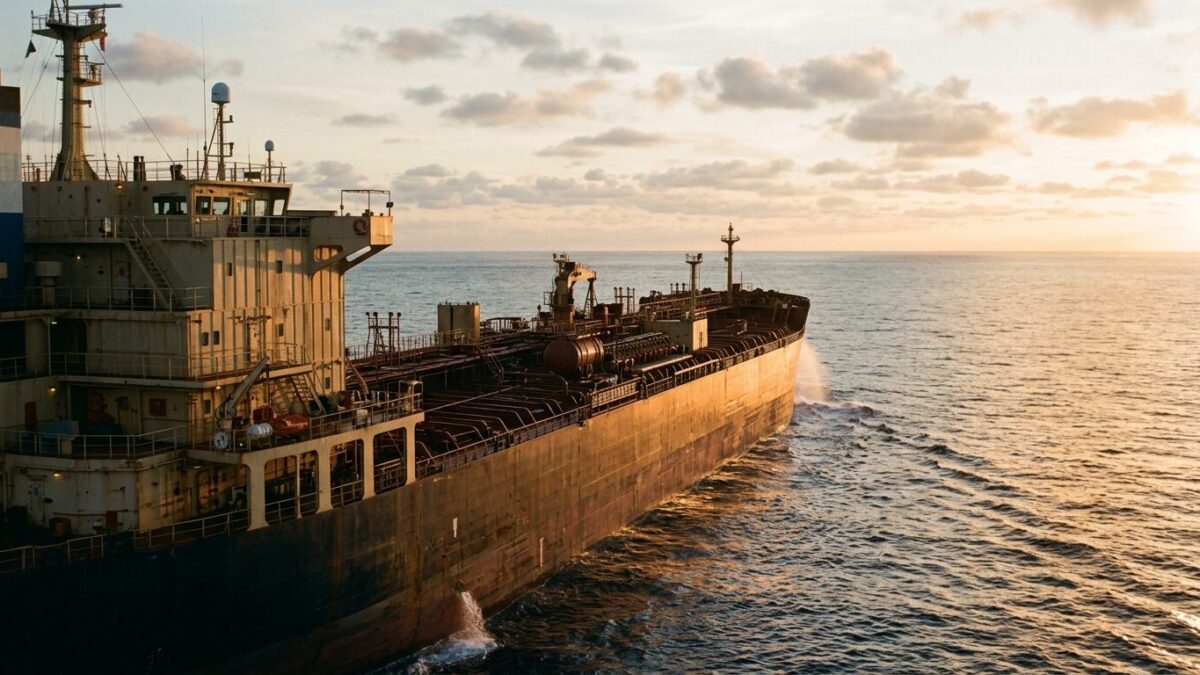
Oil prices surged to $100 a barrel on Thursday, their highest level since early June, after a fresh escalation in the Iran war raised the risk of serious disruption to global supplies. The move rippled through energy markets fast. Traders saw a bigger chance that crude flows could be hit again.
The latest jump comes as attacks in and around the Red Sea keep shipping routes under pressure. For consumers, that can mean pricier fuel and, if the disruption spreads, broader inflation headaches. For governments already wrestling with unstable energy costs, the threat is immediate. Supply lines are once again the weak point.
Markets react fast
Oil tends to move first when geopolitical tensions flare, and this time was no different. Prices climbed sharply after the new escalation tied to the war involving Iran revived fears that key transport routes and supply chains could be thrown off balance. The market had already been sensitive to any sign of trouble in the region. Thursday’s surge showed how thin the margin has become.
The Red Sea has emerged as a pressure point because it sits on a major global shipping corridor. When attacks intensify there, traders start pricing in delays, rerouting and possible shortages. That can tighten supply even before a single barrel goes missing.
Why the rally matters
A move to $100 a barrel is more than a headline for traders. It lands at a level that can bite across the global economy. Import-dependent countries feel it first, especially those where fuel costs already weigh on household budgets and transport prices. Businesses that rely on shipping and diesel can also see expenses rise quickly.
The wider worry is that this kind of spike feeds into other prices. Energy sits at the base of so many supply chains that even a brief shock can have effects far beyond the oil market itself. When crude rises abruptly, policymakers everywhere start watching for the next round of inflation pressure.
Thursday’s climb also underscored a broader truth: the market is still reacting sharply to security risks in the Middle East. Each new attack, each new warning, each sign of escalation can move prices in a matter of hours. Investors know that. So do shippers. And so do governments that have little room to absorb another energy shock.
Supply fears return
The latest rise in oil prices follows the latest Iran war escalation, which has raised concerns about severe new disruption to global supplies. That is the language traders hate most. Severe. New. Disruption. It leaves little room for calm.
What makes the situation especially tense is that the market is not just reacting to one isolated event. It is responding to the possibility that attacks in the Red Sea could intersect with wider conflict dynamics and spread pressure across trade routes. That mix is enough to keep crude volatile.
For now, the price spike is a clear sign that energy markets are treating the Red Sea attacks as a direct threat, not a distant security story. And until that threat eases, the oil market is likely to stay on edge. The next move could come from the water, not the trading floor.