Manchester Synagogue Attacker’s Friend Jailed for Military Base Terror Plot
A 31-year-old man who drove a 10-hour round trip to scout a British military academy with the man later behind the Manchester synagogue attack has
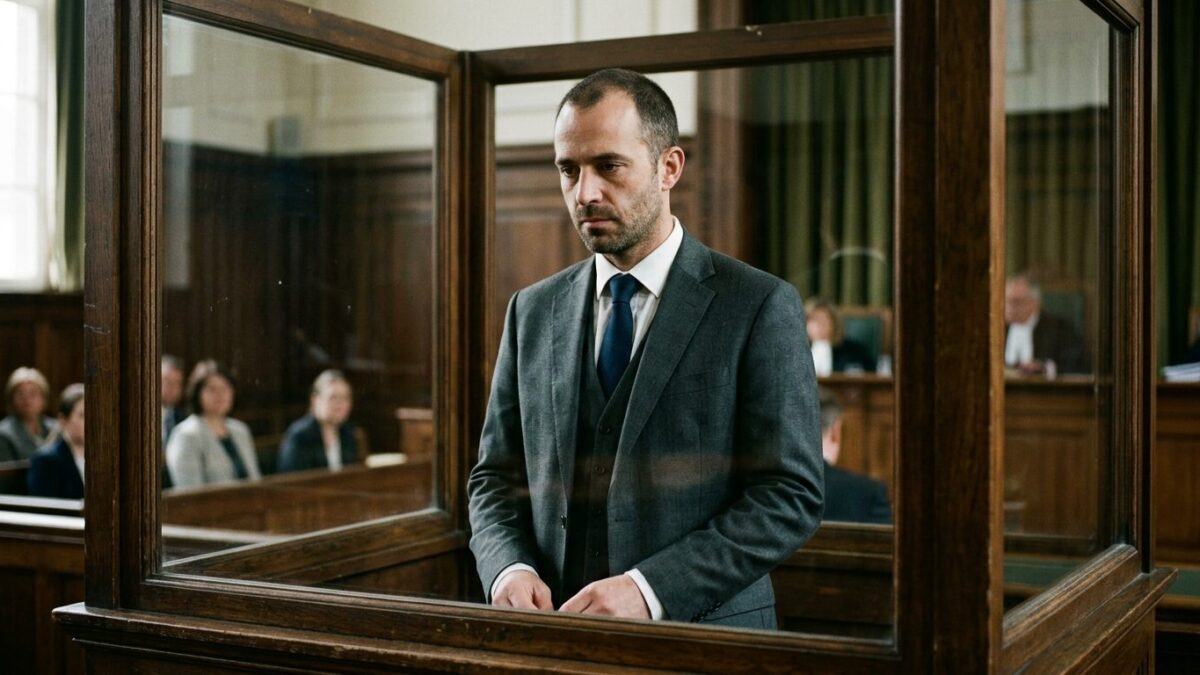
A 31-year-old man who drove a 10-hour round trip to scout a British military academy with the man later behind the Manchester synagogue attack has been jailed for life, with a minimum term of 17 years. Mohammad Bashir was sentenced at Manchester Crown Court after admitting he prepared an act of terrorism.
The court heard that Bashir and Jihad Al-Shamie travelled to the UK’s Defence Academy in Shrivenham, Oxfordshire, on 14 August 2025 for hostile reconnaissance. Weeks later, Al-Shamie was shot dead by police after attacking Heaton Park Synagogue, where two Jewish men were killed. The two cases were linked in the court’s account of a shared extremist plan that never got far enough to be carried out.
A plot built around a military target
Mrs Justice Cheema-Grubb said Bashir and Al-Shamie were “equally engaged” in planning an attack on a British military target, in which both men expected to “kill and be killed”. Her remarks put the focus not just on the eventual synagogue massacre, but on the earlier reconnaissance trip that prosecutors said formed part of a wider terror plot.
Bashir, from Cheetham Hill in Manchester, pleaded guilty to one count of preparing an act of terrorism. The judge told him that by August last year he had become a “firmly committed jihadist”. She rejected his claim, made to a probation officer, that he no longer held extremist views and regretted what he had done. “I consider you remain dangerous,” she said. “You have given no grounds that your attitude has really changed at all.”
That assessment carried weight. Bashir’s jail term means he will spend at least 17 years behind bars before he can even be considered for release. Life sentences in terrorism cases often reflect not only the gravity of the planned violence, but the lasting risk authorities say the offender poses once convicted.
From reconnaissance to a synagogue attack
The August 14 journey to Shrivenham was long and deliberate. Bashir drove Al-Shamie on a 10-hour round trip to conduct hostile reconnaissance at the Defence Academy, a site tied to Britain’s military training and planning. The court did not detail any weapon use or a completed attack plan at the base, but the reconnaissance itself was enough to support the terrorism charge.
Weeks after that trip, Al-Shamie turned his violence elsewhere. He attacked the Heaton Park Synagogue and was later shot dead by police. Two Jewish men died in that assault. The chronology mattered in court: what began as preparation for one target was followed by a lethal attack on another. Different locations, same extremist current.
The case also underlines how quickly one plot can spill into another. Security officials across Europe and North America have long warned that people drawn into violent extremism may shift targets, adapt to police pressure, or move from surveillance to action with little notice. This case, while centered in Britain, fits that wider pattern of fluid and opportunistic terror planning.
A court warning on danger and ideology
Mrs Justice Cheema-Grubb’s remarks were blunt. She said Bashir had not persuaded the court that his outlook had changed, and she made clear she viewed him as a continuing threat. The sentencing took place in Manchester, the city most directly scarred by the synagogue attack that followed the reconnaissance trip.
Following sentencing, the record noted that Bashir, who was born in Manchester, was being held accountable for a role that stopped short of the final violence but sat close to it. That distinction matters in terrorism cases. Courts often punish not only what happened, but what was being lined up in the background.
The judge’s final words cut through any argument about remorse: “You have given no grounds that your attitude has really changed at all.” For prosecutors, and for communities watching the case, that line captures the central issue. The danger did not begin with the synagogue attack. It had already taken shape on a long drive to an air base in Oxfordshire.