Burnham warns NHS could fail without social care overhaul as pressure grows on welfare bill
Britain’s health service could buckle unless ministers fix social care, Prime Minister Andy Burnham has warned, putting one of the country’s oldest policy fa...
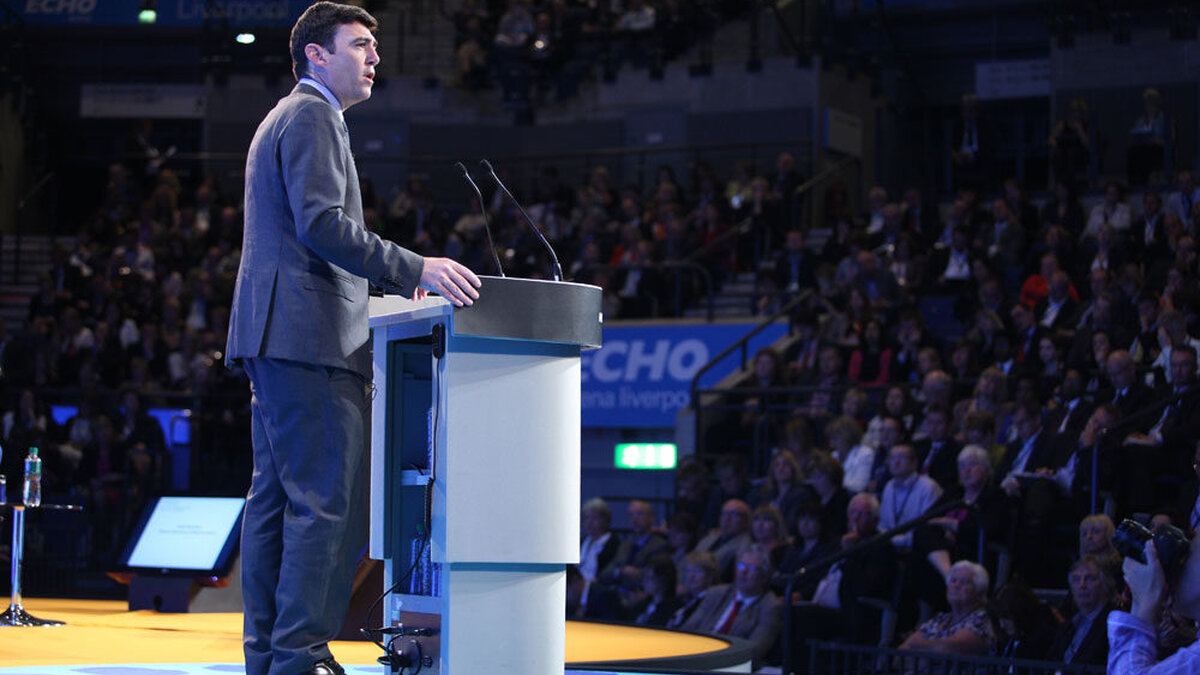
Britain’s health service could buckle unless ministers fix social care, Prime Minister Andy Burnham has warned, putting one of the country’s oldest policy failures at the centre of his first major interview since taking office. He said he would not want to leave Downing Street without delivering “substantial change” to a system that has strained hospitals for years.
The warning goes to the heart of a familiar problem. When older or vulnerable people cannot get care at home or in the community, they often end up in hospital beds they do not need. Burnham said that if social care is left unreformed, the NHS would “collapse under the weight” of trying to look after people who should never have reached hospital in the first place.
A familiar warning, a new prime minister
Burnham was blunt about the scale of the challenge, but he would not say how quickly a new system could be built. Asked whether he would introduce fresh arrangements before the next election, he said he “couldn’t put a timeline on it right here, right now”.
Still, he sounded determined. He said he would put “whatever political capital I have” into fixing what he called broken social care. That line matters. Social care reform has defeated governments of different political colours for years, even as demand rises and hospitals remain clogged with patients who cannot be discharged safely.
Burnham first floated the idea of a universal social care system in England back in 2009, while serving as health secretary under Gordon Brown. A year later, he pushed the case again. The fact he is now raising it from the top office gives the issue fresh political weight, but not yet a timetable, a bill or a model for how to pay for it.
Welfare bill comes under scrutiny
The prime minister also used the interview to signal a tougher line on benefits. He suggested it should be harder to claim welfare, saying the country had to get serious about bringing the bill down.
That message will land sharply with voters who are already watching pressure on the public finances and the broader cost of Britain’s ageing population. It also links social care and welfare in a way that could shape the government’s next fights: if more people are cared for properly outside hospital, the state may face less strain in the NHS, but the question of who pays for that support remains unresolved.
Conservative leader Kemi Badenoch has already written to the prime minister, urging him to rule out tax rises or extra borrowing to fund any social care overhaul. Her intervention sets up an early argument over how reform should be financed, and whether Burnham’s ambition can survive the arithmetic.
Politics, money and the NHS
The stakes are unusually high because the NHS sits at the centre of British politics and public life. Hospital delays, bed shortages and long waits have become shorthand for a system under strain. Burnham’s warning suggests he sees social care not as a side issue, but as a pressure valve that could decide whether the NHS keeps functioning properly.
That makes the next steps politically delicate. Burnham has promised “substantial change”, yet offered no deadline. He has signalled urgency, but not the shape of a plan. And he now faces a familiar trap: any attempt to reform social care quickly runs into arguments over taxes, borrowing and what the public will accept.
For now, the prime minister has put his own credibility on the line. The test will come in the months ahead, when ministers have to turn warnings about collapse into something lawmakers can actually pass.