Teen Posts Selfie Much: Meta Faces Filter Limits
Meta agreed to block some beauty filters for minors under a settlement with U.S. states, but subtle edits will remain available. Teen body-image activist Mia…
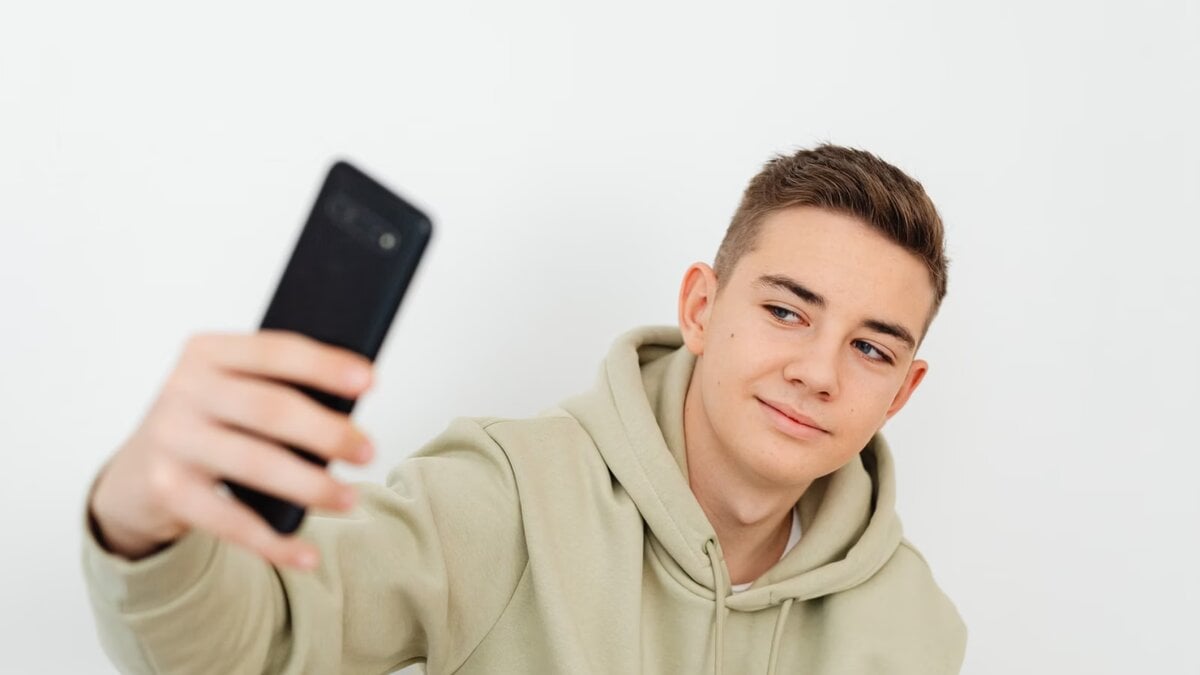
Meta agreed to block some beauty filters for minors in a settlement with U.S. states, but subtle edits that smooth skin or brighten eyes will remain available. The agreement leaves state officials to decide where the line falls between playful effects and changes that could intensify pressure on young people who post selfies.
The question behind “teen posts selfie much” is not simply how dramatic a filter looks. Mia Lerner, a 17-year-old high school senior in California and youth body-image activist, told NPR that even slight edits can make it easier for teenagers to compare themselves with images that appear realistic.
That distinction matters. The settlement does not ban every digital effect on Meta’s platforms, and the filters likely to remain include both cartoon-style transformations and restrained beautification tools.
Where Meta’s filter limits stop
Under the agreement reached in August, Meta committed to block filters for minors that mimic extreme transformations, including cosmetic procedures or heavy makeup. Filters that turn users into playful characters such as elves or puppies will remain available. So will effects that make smaller changes to appearance.
Lerner said those less obvious edits concern her more than images that look visibly artificial. “When I see something that has been so obviously AI-generated, it's very easy for me to logically say, 'Well, that's obviously been manipulated so I can't compare myself to that,'” she told NPR. Slightly edited videos, she said, make comparison harder.
“But when I see these videos of people who are just slightly edited, it's a lot easier for me to go down that comparison path.”
Lerner said experimenting with beauty filters contributed to her eating disorder and left her struggling with her self-image. She also described using artificial intelligence to alter her nose. “My face looks a lot better, I think, in [the] photo that I manipulated with these beauty filters. But I'm still living with this nose that I see in the mirror.”
For teens, the practical effect of the settlement will depend on which filters Meta blocks and how clearly the remaining edits can be recognized. A filter that makes an obvious fantasy character is easy to distinguish from a selfie; a softened skin tone or a slight change to the eyes may be less apparent. Lerner’s account points to that gap as a source of pressure, rather than filters alone.
Rules across social platforms
The agreement covers Meta and 47 U.S. states, along with Washington, D.C., and three territories. It does not require a blanket prohibition on digital effects. State attorneys general now have to define which transformations fall within the restrictions.
Meta had already banned filters that explicitly promote cosmetic surgery, including effects that place pre-surgery marker lines on a user’s skin. The company also shut down its platform for third-party creators of beauty filters, introduced labels for AI-generated content and deployed automated systems to detect AI material, according to NPR.
Those measures have not stopped every harmful filter from appearing. NPR reported that a federal judge, in a summary judgment denying Meta’s defense this summer, wrote that harmful aesthetic filters and features that keep children scrolling and clicking had continued to slip past safeguards.
Other platforms take different approaches. TikTok restricts beauty-filter use for people under 18, while Snapchat does not restrict teen access to filters. Neither company responded to NPR’s request for comment. YouTube told NPR it does not have filters, though users can still post images or videos created with third-party tools.
Lerner welcomed the restrictions in the Meta agreement, calling them “a very important step in the right direction.”
Source: npr.org