South Africa Names New Police Chief for Limpopo as Force Reshapes Leadership
Lieutenant General Jan Scheepers takes command of one of South Africa's most volatile policing jurisdictions, tasked with confronting entrenched criminal net...

Lieutenant General Jan Scheepers takes command of one of South Africa's most volatile policing jurisdictions, tasked with confronting entrenched criminal networks that prey on the province's vulnerable communities. The South African Police Service announced his appointment Friday, marking the latest move in a broader organizational overhaul aimed at rebuilding public trust.
Scheepers, 38 years into a public safety career that began in the military before transitioning to policing in 1988, replaces Thembi Hadebe, who stepped down in June. His mandate starts August 1.
A Veteran Cop Faces Steep Challenges
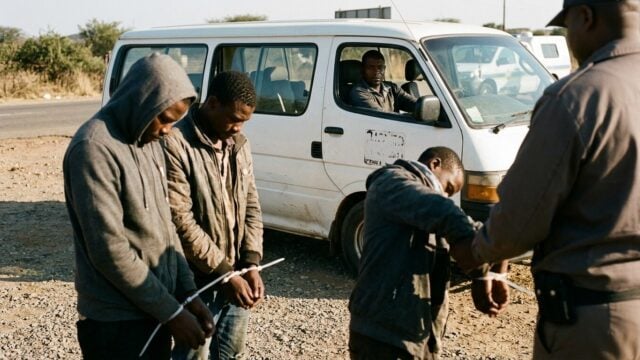
Limpopo sits at a crossroads of Africa's migrant routes and smuggling corridors. The province battles femicide rates that alarm national officials, gang-run stock theft operations, and organized syndicates moving contraband across borders. Gender violence, in particular, has become a defining crisis—femicide cases flood courthouses as community activists demand faster police response.
Scheepers spent nearly three decades patrolling Gauteng's sprawling townships—Sebokeng, Evaton, Orange Farm—before climbing into command roles. He worked as a K9 handler, ran district operations, and served as acting provincial commissioner. That track record convinced Acting National Commissioner Puleng Dimpane that Scheepers possessed the "operational competence" the job demands.
"We were searching for a leader who can command confidence," Dimpane said during the Polokwane ceremony, framing the appointment as central to the police service's Reset Agenda—an internal reform program meant to restore institutional credibility.
Education and Long-Term Strategy
Scheepers holds qualifications beyond standard police training. His educational background, though partially cut off in available statements, signals officials selected someone versed in governance frameworks beyond street-level enforcement.
At his first public appearance, Scheepers struck a direct tone with residents. "We don't need reinvention," he told media in Polokwane. "The strategies are there. What we need to reinvent is our commitment to this community." He listed his priorities plainly: illegal mining operations, gender violence, serious crimes, murder, and human trafficking. These aren't peripheral problems in Limpopo—they define daily risk for ordinary residents.
Whether Scheepers can deliver on that promise hinges on resources, political support, and the willingness of local communities to report crimes to an institution many view with skepticism. His appointment arrives as the police service itself battles perceptions of corruption and ineffectiveness, making this leadership change both an operational necessity and a symbolic test of institutional renewal.