Damascus Drivers Switch to Electric Cars as Petrol Costs Bite
Fuel price hikes and poor-quality petrol are pushing some Damascus drivers toward electric cars, mostly Chinese-made. Taxi drivers, showroom staff and a…
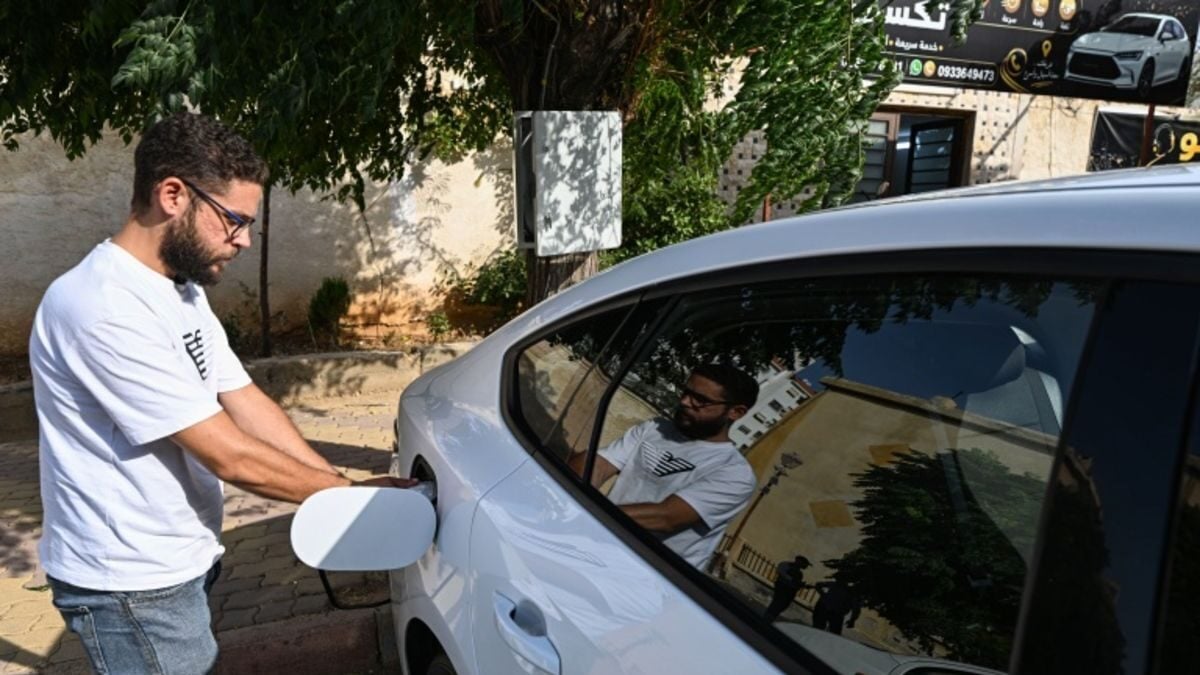
A 26 percent jump in petrol prices has sent protesters into Syrian streets and drivers in Damascus toward electric cars. Most of the vehicles are Chinese-made.
Taxi driver Mohammed Kanaan, 42, now drives a new electric car through the capital's rundown streets. He says his old petrol car was barely covering its operating costs. "I used to have a car that ran on petrol but lately fuel quality has been low and prices have gone up," Kanaan said. "In the end, I decided to buy an electric car and set up a charging point."
The numbers explain his choice. His old car needed $26 worth of petrol to cover about 200 kilometers (around 125 miles). Charging from the state power grid, he covers the same distance for around $6.
Syrians took to the streets last month after the government raised petrol prices, citing global surges linked to the regional conflict in the Middle East. Fuel shortages were already routine during the country's civil war.
Quality is a second problem. Drivers say a batch of poor-quality petrol caused breakdowns for hundreds of cars a few weeks ago. The energy ministry later said the sub-par fuel reached markets because of an "operational error" and pledged accountability and compensation for affected motorists.
Imports, supply and a changed market
Before Bashar al-Assad was overthrown nearly two years ago, modern cars were a rare sight in Damascus. The economy tanked after civil war erupted in 2011, and Western sanctions halted imports of new vehicles. Those sanctions have largely been lifted since the new authorities took power.
The new authorities also cut tariffs, and some 100,000 cars were imported. They then halted imports of used cars over quality concerns.
Syria relies partly on imported petrol. State news agency SANA, citing energy ministry figures, said last month that average daily petrol supply was around 2.32 million liters, about a third of it imported. That dependence leaves drivers exposed to shortages and long lines at stations.
Electricity has been a weak point too. Damascus endured lengthy power cuts during the war, though supply has improved in recent months as authorities try to revive the economy and ailing infrastructure. Some electric car owners have built solar charging stations to avoid the problem entirely.
Showrooms report a shift
Hamza Sukkar, 25, works at his family company's showroom outside Damascus. He says demand for electric and plug-in hybrid vehicles has climbed for about eight months because of higher petrol prices and poor fuel quality.
Price matters as well. The cheapest petrol-powered car in his showroom costs more than $12,000, while electric cars start at $9,000. "We now sell three to four electric cars for every petrol-powered car," Sukkar said.
Ride-hailing is moving the same way. Rami al-Hamad, local operations manager at YallaGo!, a leading ride-hailing app in Damascus, said "the number of electric cars registered with us has risen by around 20 percent" in recent months. He credited "lower operating costs compared to running petrol-powered cars," which give drivers a chance at higher profits.
The shift is still narrow. Most Syrians live in poverty, and the share of electric cars in the country remains negligible. Globally, one in four new cars sold in 2025 was electric, according to the International Energy Agency.