Israel’s Election Rhetoric: What Candidates Said and Won
Israel's parliamentary election produced no clear winner, with neither bloc reaching the 61 seats needed. Netanyahu, Eisenkot and Bennett traded sharp words…
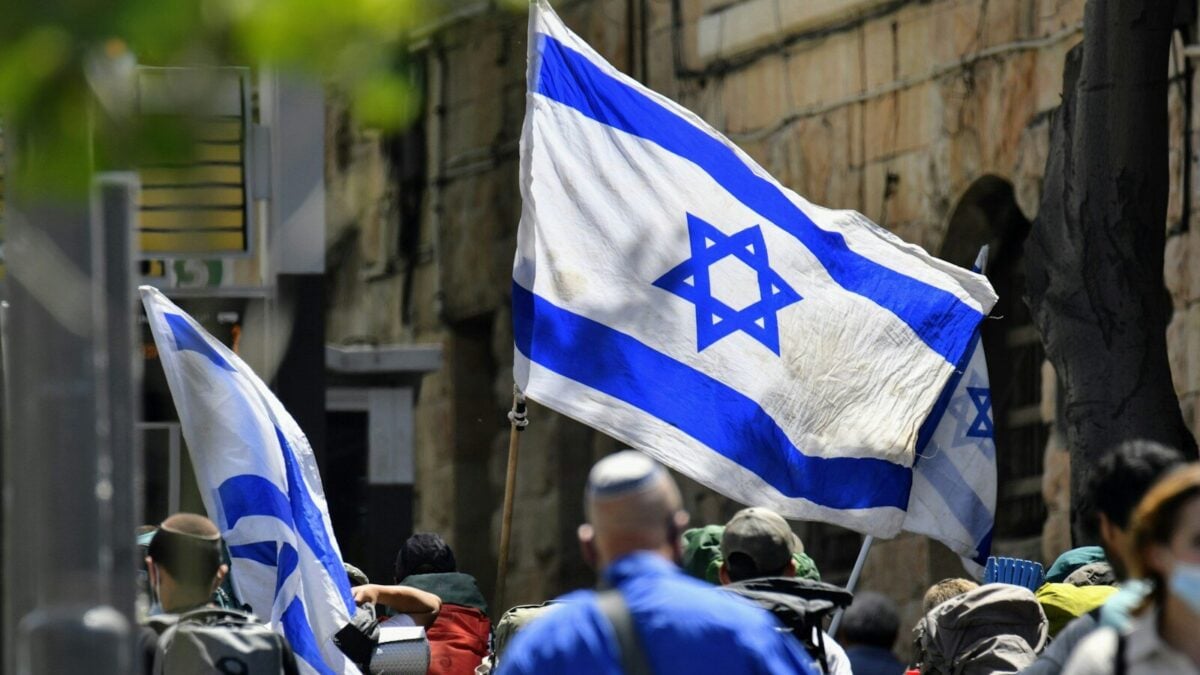
Israel's election rhetoric candidates used in recent weeks now sits against a result that settles little. With nearly 90 percent of ballots counted after Tuesday's parliamentary vote, neither major bloc has reached the 61 seats needed to form a government.
Prime Minister Benjamin Netanyahu's bloc is on course for 53 seats in the 120-member Knesset. The opposition bloc led by Gadi Eisenkot is expected to take 48.
Arab-majority parties won 19 seats, a historic high, on record turnout of about 80 percent among Palestinian citizens of Israel. That puts them at the center of coalition math, even though several party leaders have ruled out governing with them.
Netanyahu: 'Stolen by Arab parties'
Netanyahu began the campaign confident. He said on October 22, "I'm gonna have five more terms."
On Sunday, Haaretz cited a broadcast on Israel's Channel 14 in which he warned that an opposition win would "give citizenship to hundreds of thousands of Palestinians". He said that would signal the "end of the Jewish state".
On election day he called a government with Arab-led parties "a shame and a disgrace". He told supporters: "It is forbidden – simply forbidden – to endanger Israel and to establish a government that relies on anti-Zionist Arab parties."
After the vote, his Likud party issued a statement, shared by Netanyahu, claiming the elections "were stolen by Arab parties that support terrorism and the elimination of the Jewish state through serious criminal offences". Police and the Central Elections Committee have already dismissed those claims.
The numbers are mixed for him. Likud is on course for 26 seats and 20.65 percent of the vote, making it the largest party. But his bloc stands eight seats short of a majority.
Eisenkot: no Arab partner in view
Eisenkot, who leads the Yashar Party, ruled out reliance on Arab parties in a September interview with The Jerusalem Post. "I do not see an Arab party that accepts my principles," he said. He predicted his majority would be "much larger than what the polls currently show".
On election day he urged Israelis to remove "the worst government Israel has known". He also admitted the race was tight: "We are on perhaps the most critical day since the founding of the state."
On Wednesday he told supporters the public had "voted against" Netanyahu. He promised "to ensure that the people's decision is translated into a Zionist government".
Yashar is on course for 21 seats with 16.16 percent. His bloc has 48, 13 short of a majority, and cannot reach 61 without the Arab-led parties.
Bennett: 'The October 7 government is going home'
Naftali Bennett, who leads the Together Party, told a closed conference of party activists in February that he stood by his 2021 decision to govern with Ra'am but would not repeat it. Israel National News reported him saying: "We will establish a unity government under my leadership … We are going to win, and we are going to form it."
On election day he told supporters in Tel Aviv: "Netanyahu has lost, and the October 7 government is going home."
In a post on X afterward, he urged Israelis to "lift your heads". He said he would do everything "to establish a Zionist Alliance of Servants government".
Together is on course for 12 seats with 9.07 percent, narrowly behind the Joint List.