UK Child Vaccination Drop Exposes a Logistics Problem, Not Just an Online One
Twenty-week-old Grayson nearly joined the growing number of British babies who miss their polio shots. His mother, Lily, supports immunisation, but after a t...
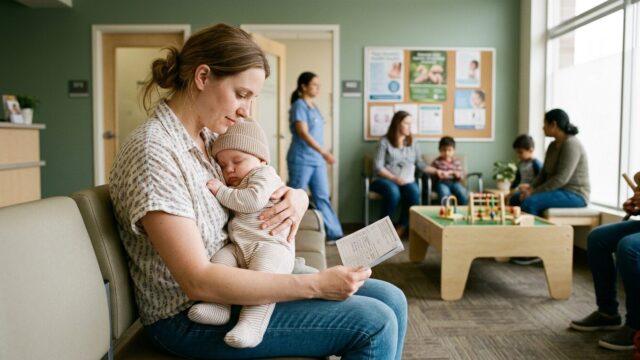
Twenty-week-old Grayson nearly joined the growing number of British babies who miss their polio shots. His mother, Lily, supports immunisation, but after a traumatic birth and weeks of post-partum depression, the trip to a doctor’s surgery felt out of reach.
“I’ve been through the trenches, awake all night,” she said. “You don’t want to leave the house, or go to a different town.”
A missed appointment, then a nearby fix
Grayson went past the eight-week mark without the polio and diphtheria jabs he was due to receive. By then, the NHS had marked him as overdue for vaccination. On paper, he was on his GP’s naughty list.
Then Lily found a clinic almost at her doorstep. Not in a hospital. Not in a surgery. Inside a vacant retail unit at the Airedale shopping centre in Keighley, west Yorkshire.
That corner of the 1960s shopping precinct has plenty of empty, boarded-up units, a sign of harder times. Staff behind the clinic saw an opening. Use the vacant space. Bring the vaccine to the families. Simple. Direct.
It worked.
Why the drop matters
The case points to a problem that goes beyond online misinformation. Some families are not refusing vaccines. They are struggling to reach them.
For parents in the thick of newborn care, especially after a difficult delivery or during post-partum depression, even a short journey can feel like a major obstacle. When the appointment sits across town, the gap grows. And babies slip through it.
That matters well beyond one child in west Yorkshire. Tens of thousands of British babies have been left unvaccinated against polio, a gap that leaves public health teams trying to catch up one overdue appointment at a time.
The shopping-centre clinic offers a different model. Put services where people already are. In a place they can reach without a long trip, a stressful booking hurdle or a bus ride they cannot face that day.
The next question is whether more health services will borrow that idea before the list of overdue children grows any longer.